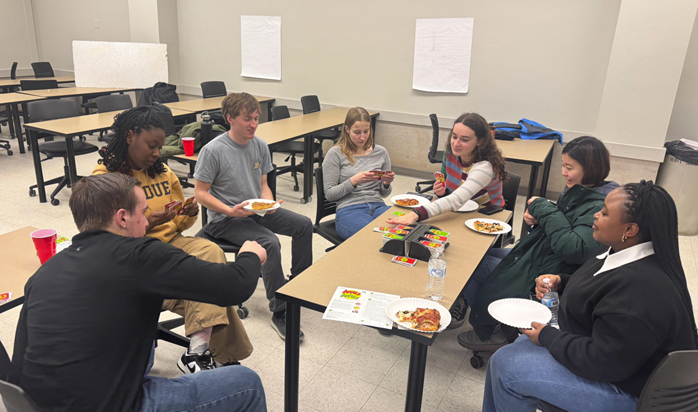
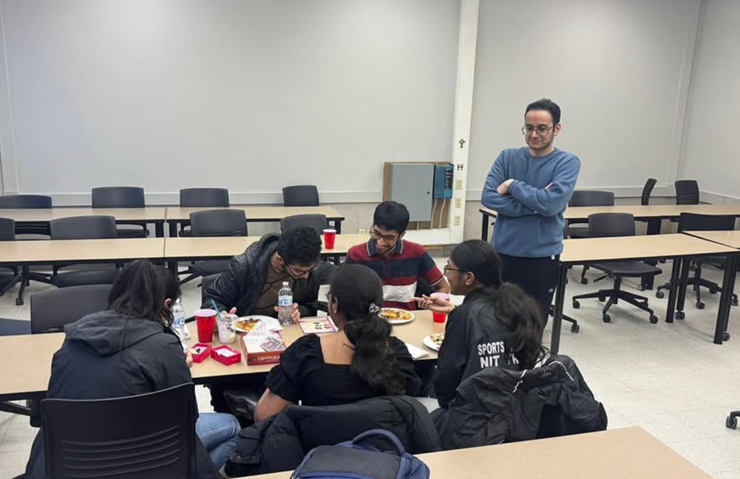
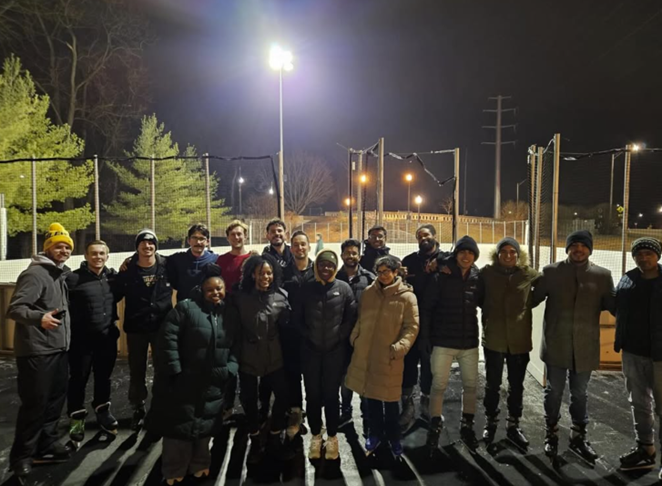
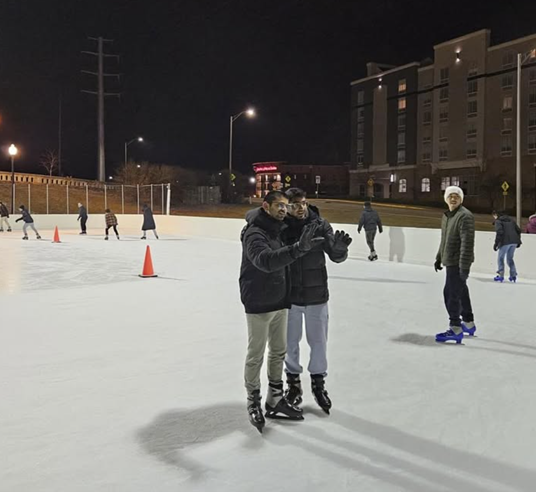
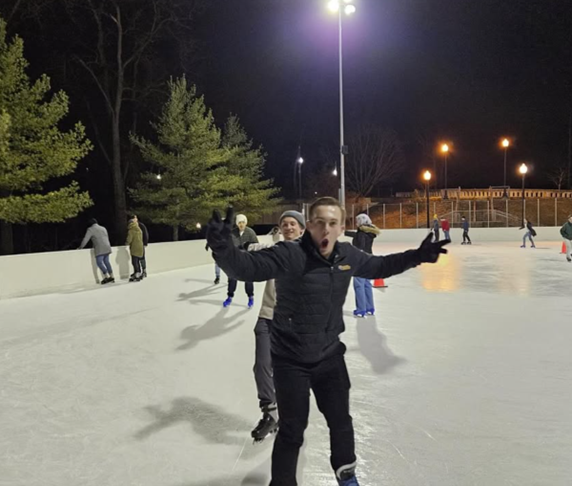
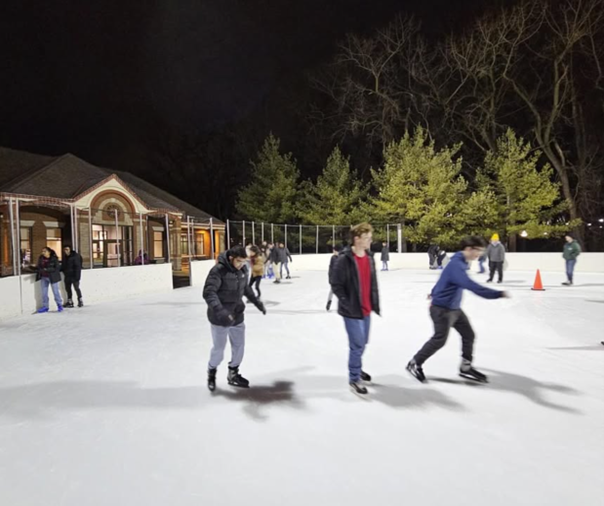
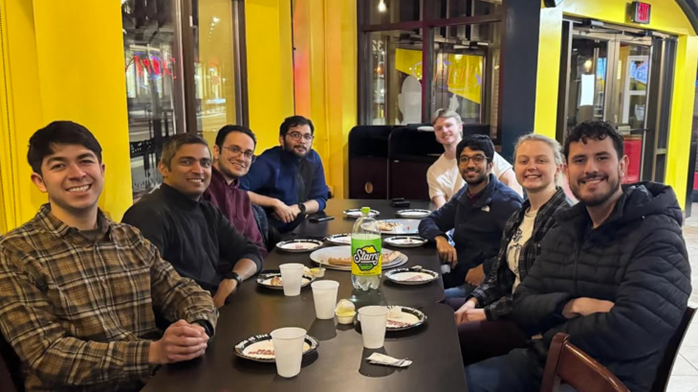
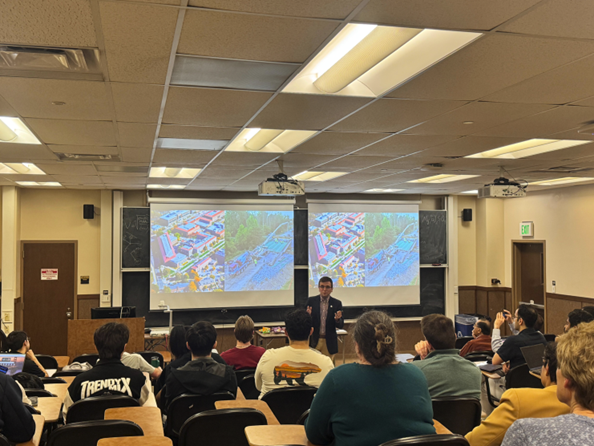
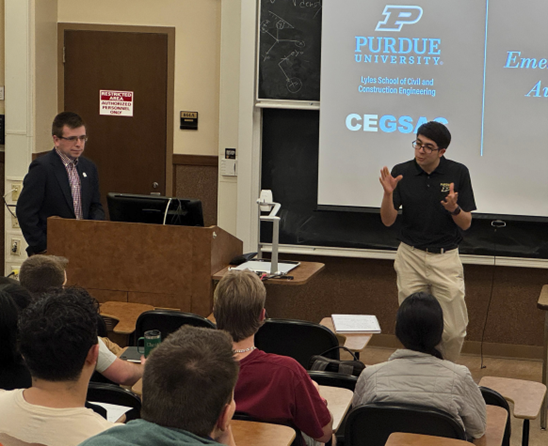
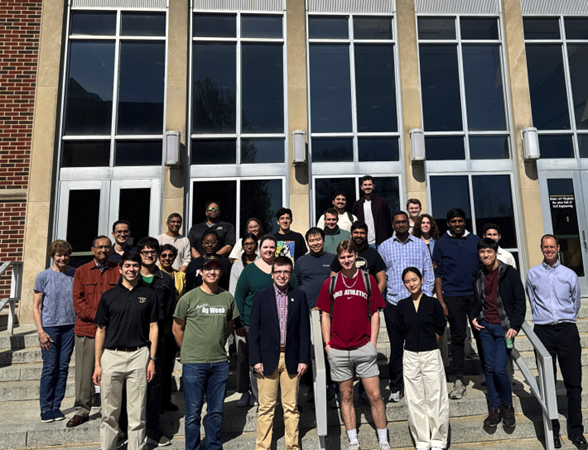
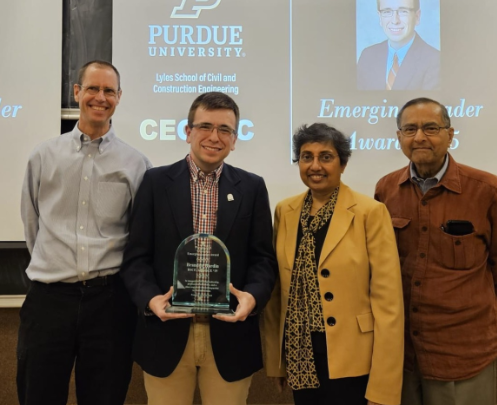
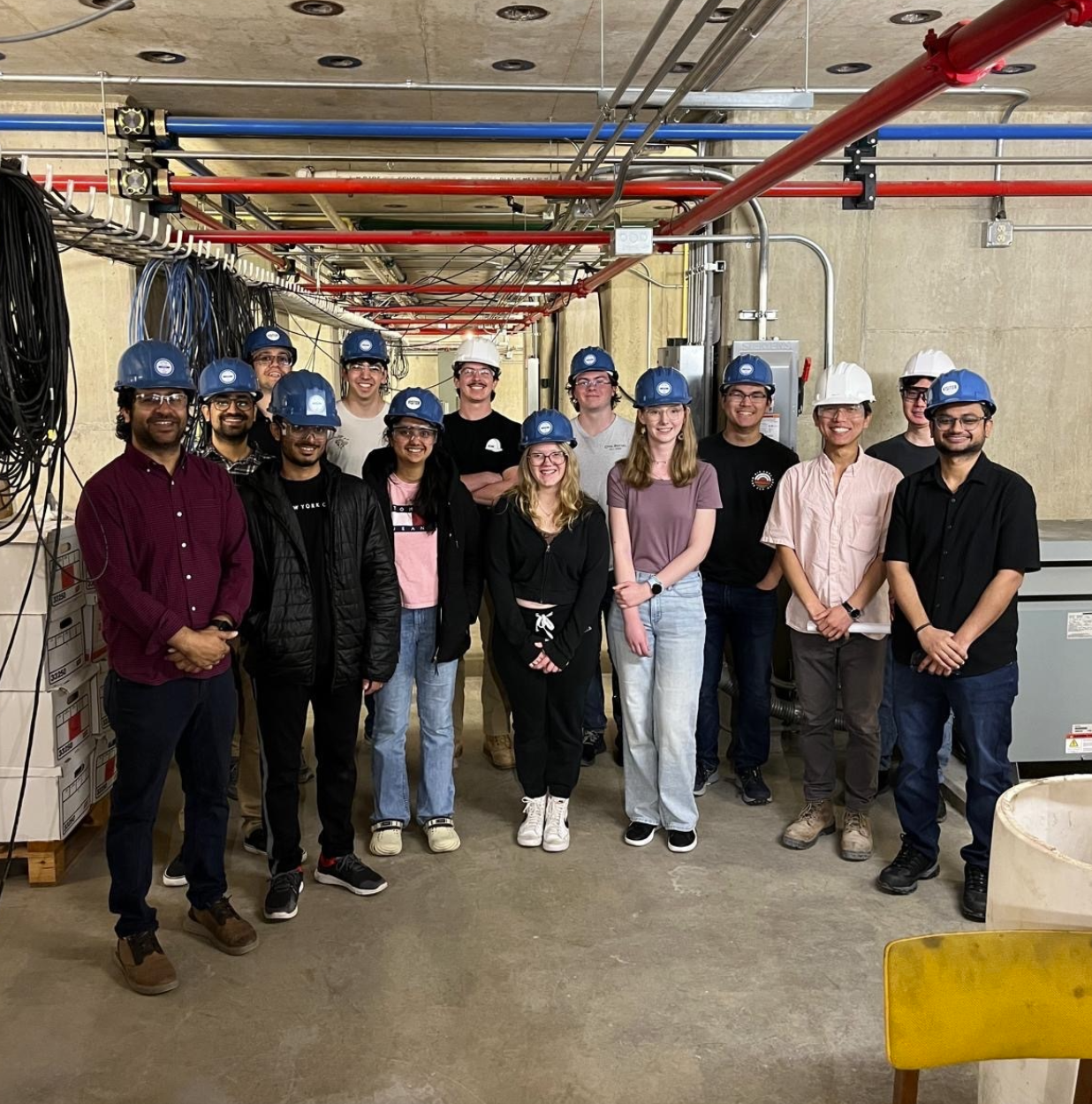
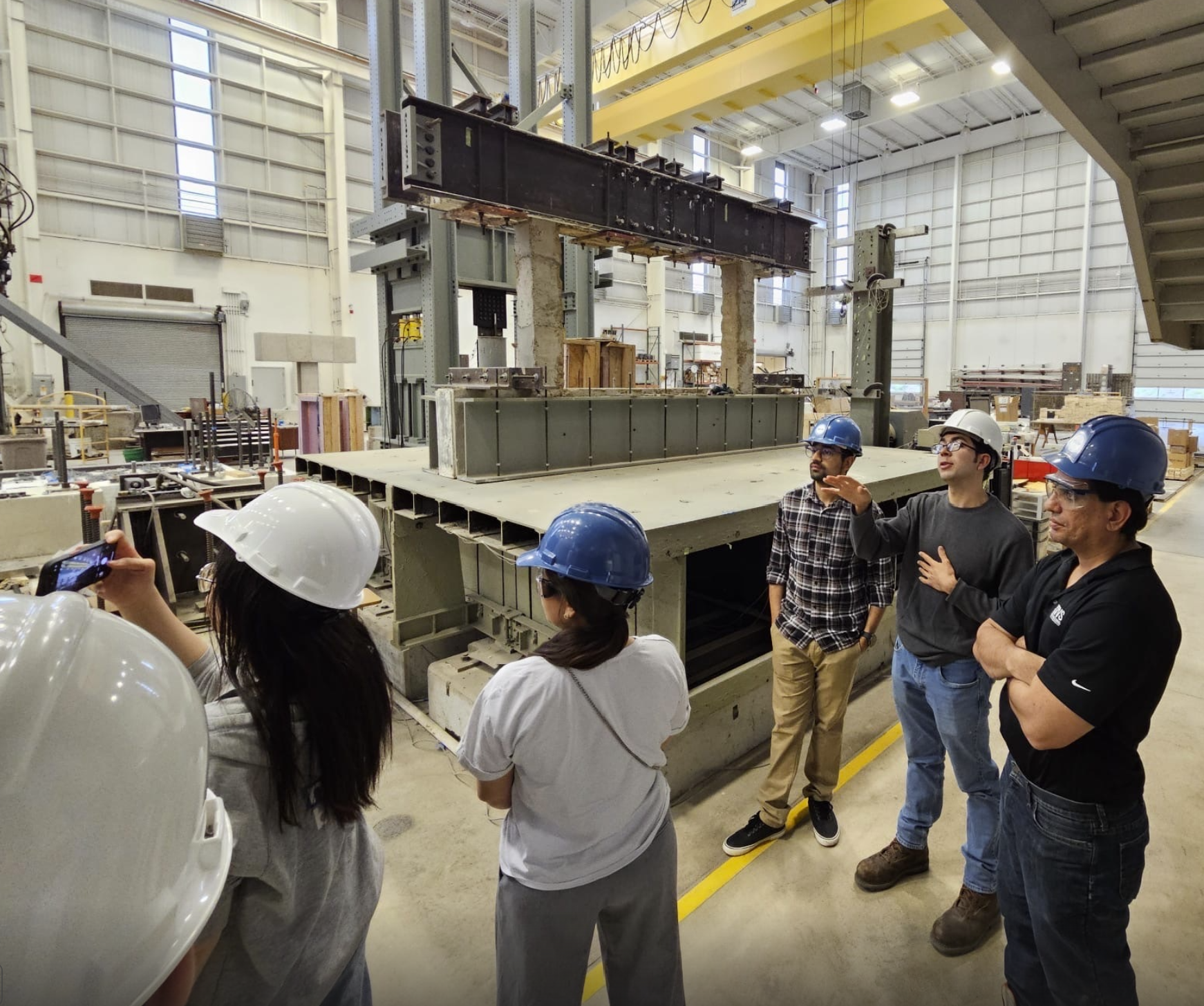
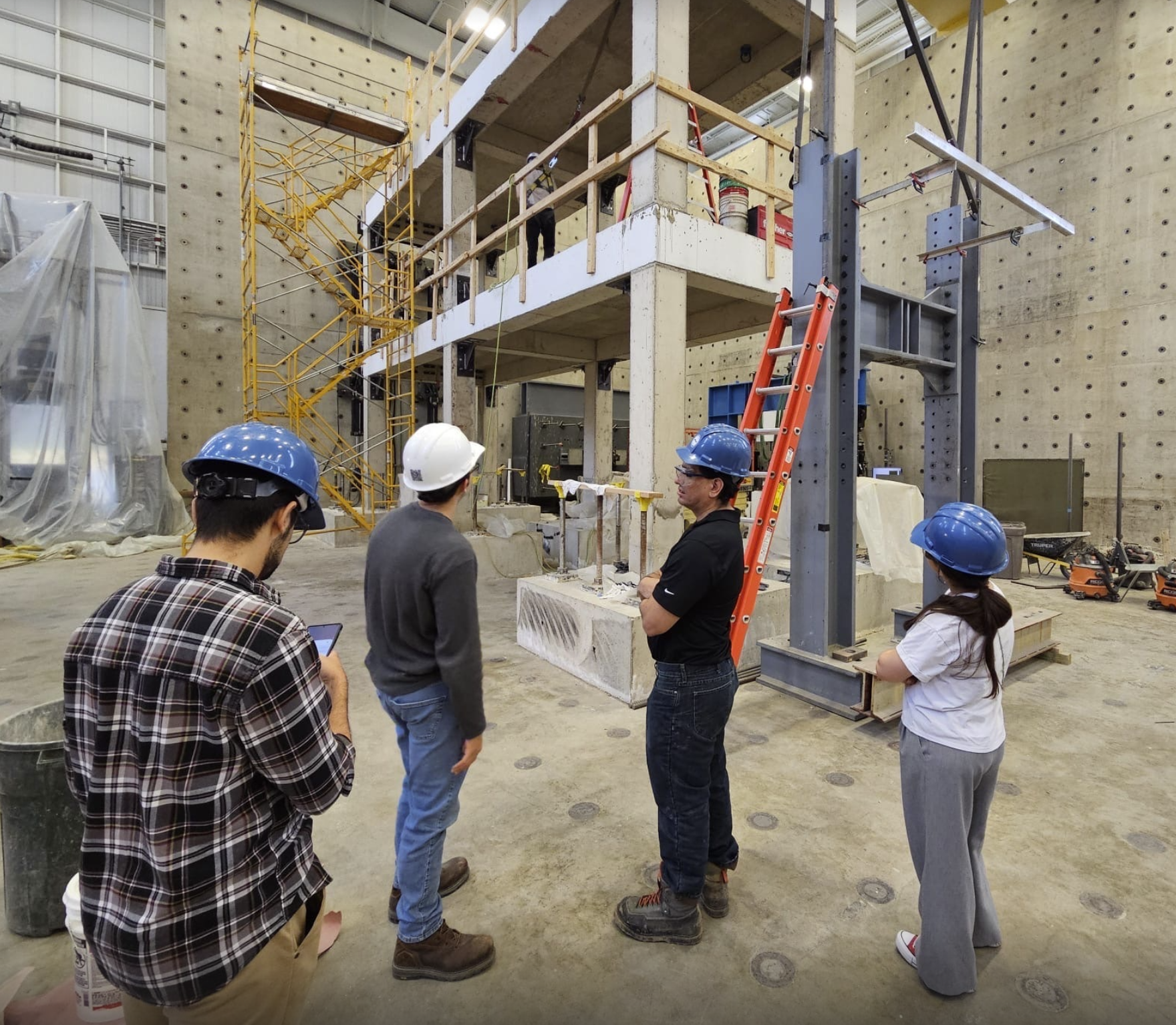
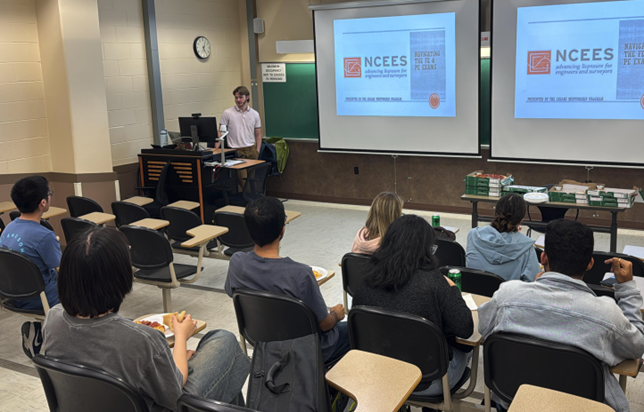
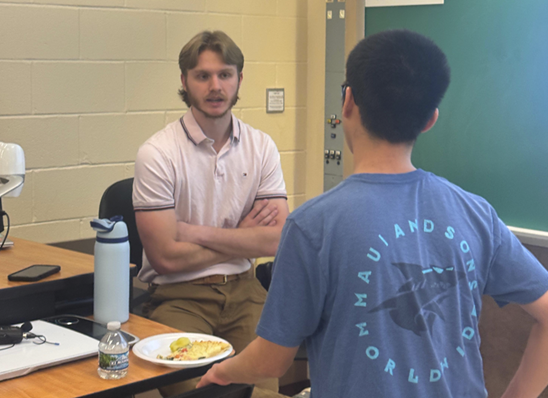
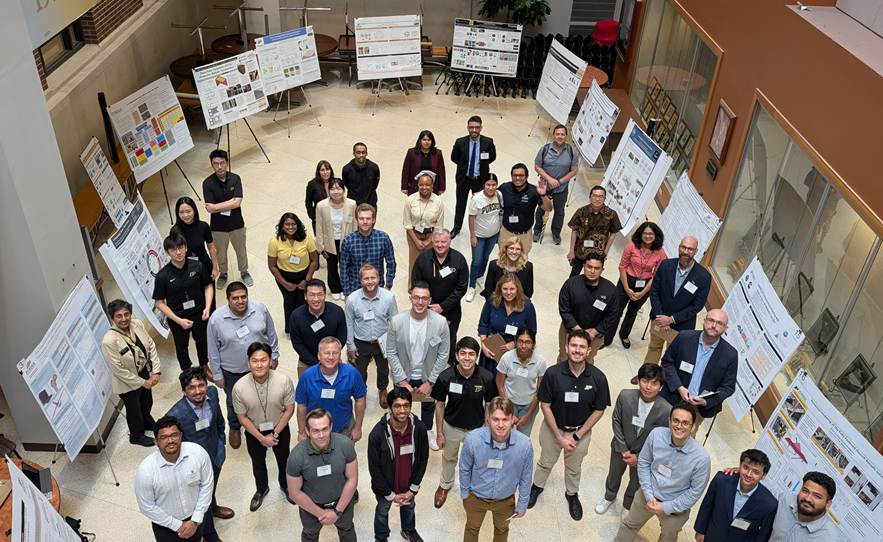
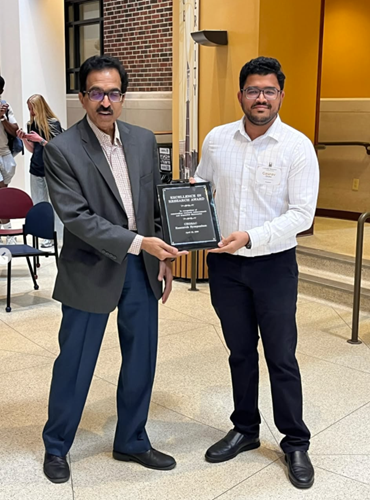
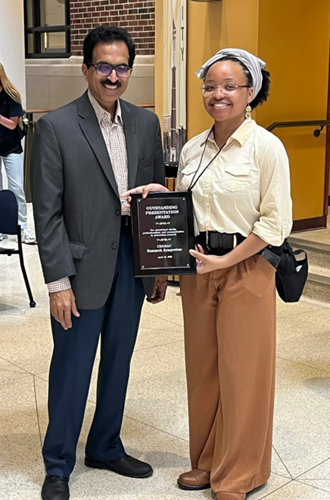
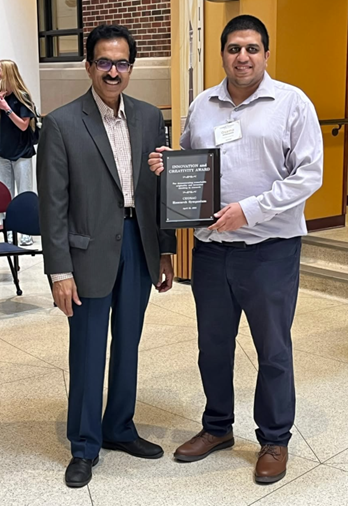
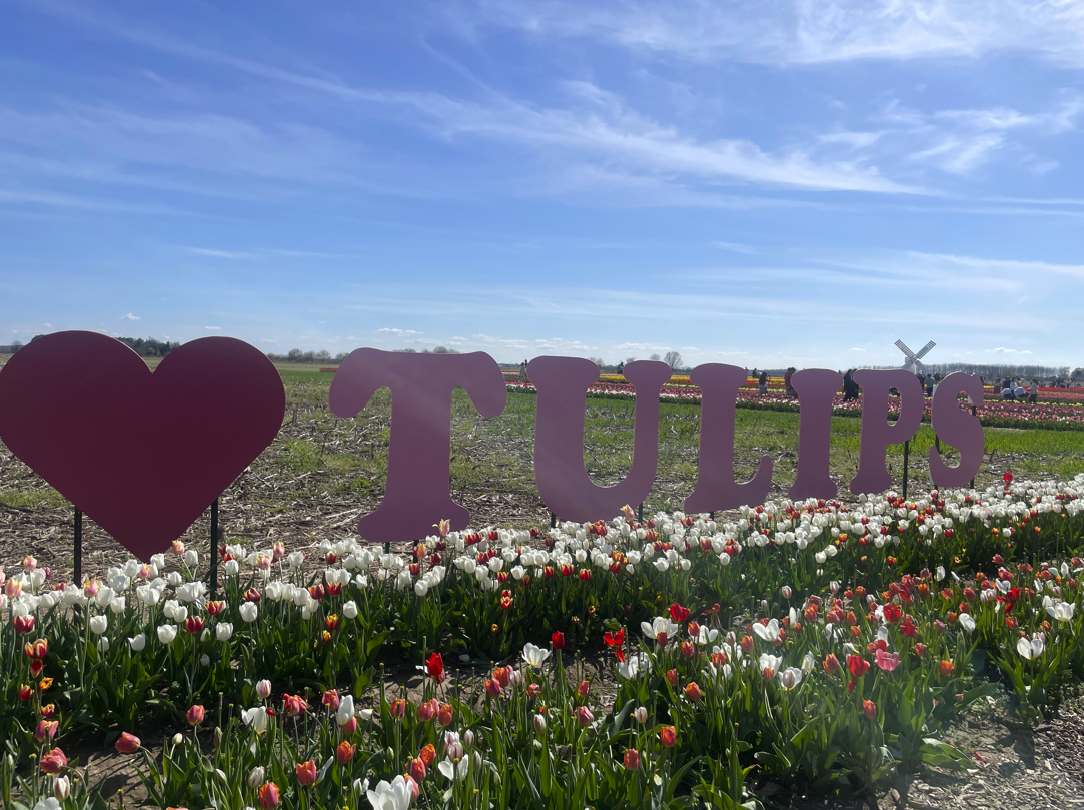
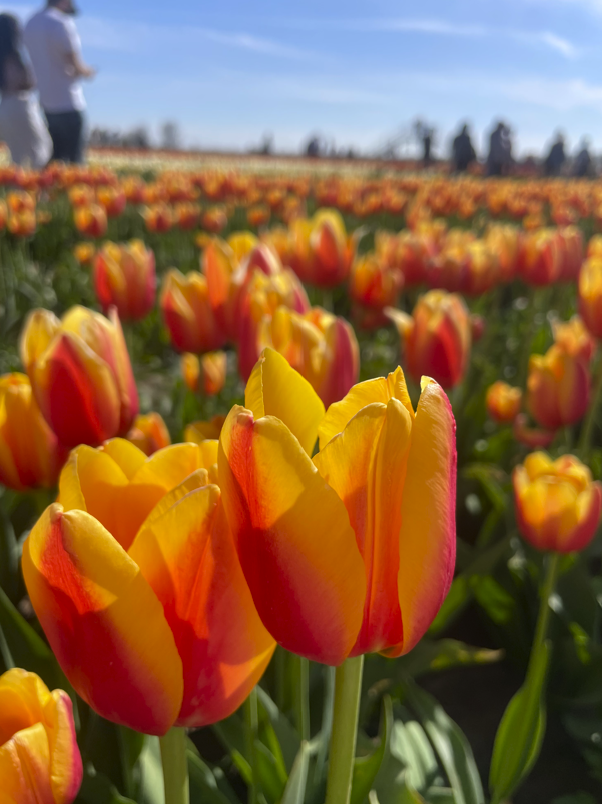
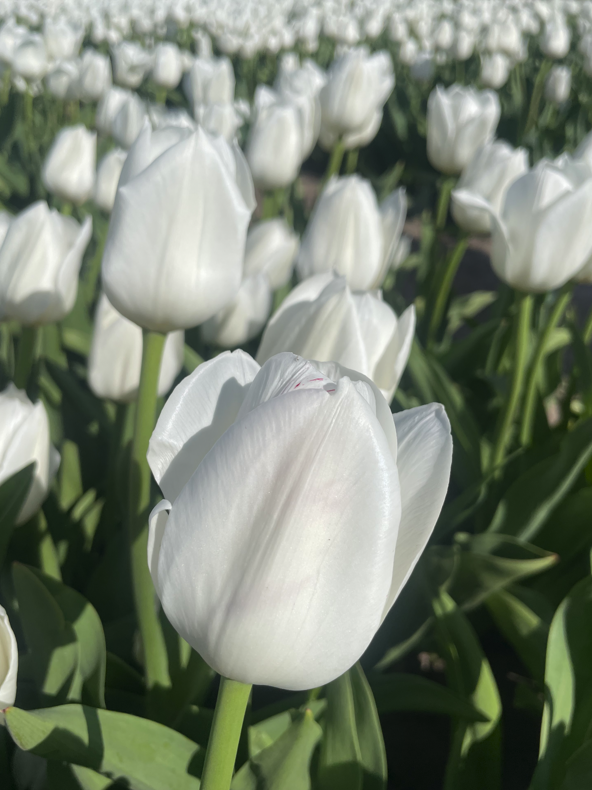
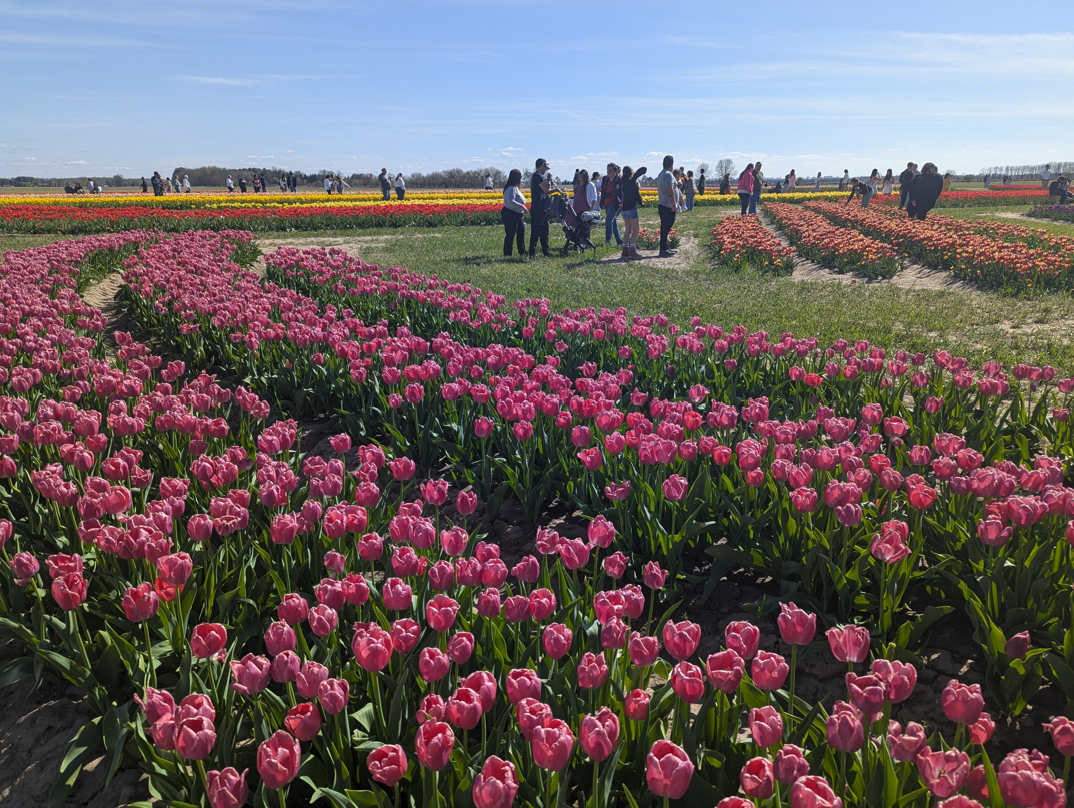
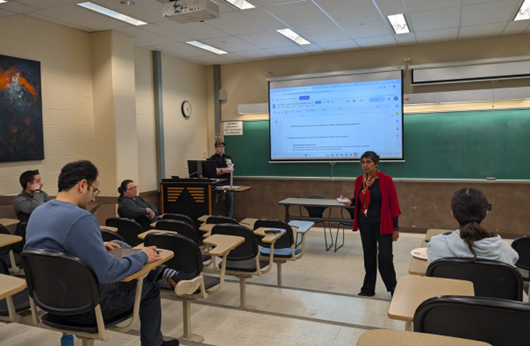
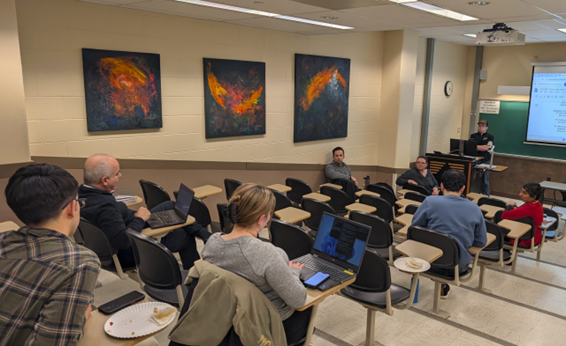
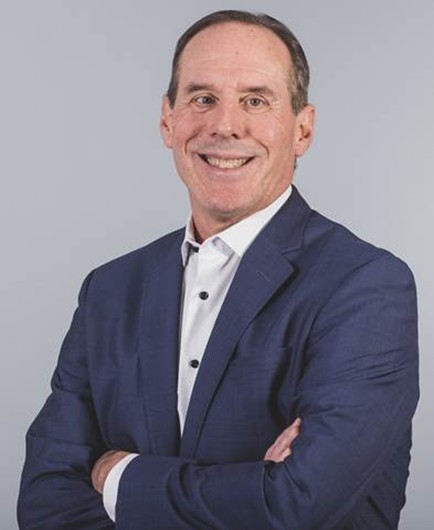
[cid:image001.png@01DBBDE5.6FF0BCD0] MAY 6, 2025 [cid:image002.png@01DBBDE5.6FF0BCD0] CEGSAC Election Results: 2025-2026 Leadership Team The CEGSAC election has officially concluded, and we’re excited to share the results with you! Please join us in congratulating the newly elected officers for the 2025-2026 CEGSAC Leadership Team: President Andrew Coble coble0@purdue.edu<mailto:coble0@purdue.edu> Vice-President Trazigate Wanjira Njeru tnjeru@purdue.edu<mailto:tnjeru@purdue.edu> Treasurer Jenna Palka palka@purdue.edu<mailto:palka@purdue.edu> Secretary Lucas Forero lflorezf@purdue.edu<mailto:lflorezf@purdue.edu> PGSG Senator Chandra Vikas Thipirishetty cthipiri@purdue.edu<mailto:cthipiri@purdue.edu> Sports Health and Wellness committee Justin Schwartz schwarjl@purdue.edu<mailto:schwarjl@purdue.edu> Co-chair Mady Seif mjseif@purdue.edu<mailto:mjseif@purdue.edu> Co-chair 🎉 Congratulations to all the elected officers! We wish you the very best in your roles and look forward to an impactful year ahead at CEGSAC. [cid:image003.png@01DBBDE5.6FF0BCD0] SPRING 2025 EVENTS ROUNDUP [cid:image004.png@01DBBDE5.6FF0BCD0] [cid:image005.png@01DBBDE5.6FF0BCD0] Game Night January 31, 2025 Board games, a bunch of friends and good food, sometimes that is all we need to escape the endless cycle of classes, labs, and assignments. CEGSAC’s game night was a much-needed break for our grad students, bringing them together for an evening of fun, friendly competition, and new friendships. Laughter filled the room as everyone put on their game faces, bonded over board games, and made lasting memories. Ice Skating February 12, 2025 Thuds, laughter, and playful banter filled the air as our grad students and their friends glided across the rink, sipping hot cocoa and enjoying a night of fun. For some, it was a first-time adventure, wobbling their way across the ice, while others effortlessly showcased their skills. Regardless of experience, everyone came together for an evening of excitement, and unforgettable memories. [cid:image006.png@01DBBDE5.6FF0BCD0] [cid:image007.png@01DBBDE5.6FF0BCD0] [cid:image008.png@01DBBDE5.6FF0BCD0] [cid:image009.png@01DBBDE5.6FF0BCD0] Mentorship Program February 20, 2025 The second meet-up of CEGSAC’s mentorship program was all about People, Pizza, and Networking! This program pairs new graduate students with mentors, graduate students who have been at Purdue for more than a semester, to provide guidance and support. The meet-up event served as an opportunity for mentors and mentees to come together, engage in discussions, and expand their professional networks in a casual and welcoming setting. [cid:image010.png@01DBBDE5.6FF0BCD0] Emerging Leaders Breakfast April 18, 2025 CEGSAC proudly hosted its annual Emerging Leaders event featuring Brandon Hardin, a Purdue alum (BSCE ’18, MSCE ’19 – Transportation) and Operational Excellence Manager at IMI. Brandon shared his inspiring journey from graduate student to industry leader, offering valuable insights on navigating career transitions, building confidence, and growing as a young professional in the civil engineering field. His candid reflections and advice truly resonated with the audience. The session concluded with a lively Q&A, followed by a networking reception where students had the chance to connect with Brandon one-on-one. [cid:image011.png@01DBBDE5.6FF0BCD0] [cid:image012.png@01DBBDE5.6FF0BCD0] [cid:image013.png@01DBBDE5.6FF0BCD0] [cid:image014.png@01DBBDE5.6FF0BCD0] [cid:image015.png@01DBBDE5.6FF0BCD0] Bowen Lab Tour April 18, 2025 CEGSAC and BSAC hosted a guided tour of Bowen Laboratory, Purdue’s state-of-the-art facility for large-scale civil engineering research. Participants had the opportunity to explore how structural systems are tested under extreme conditions such as earthquakes and blasts loadings. The tour offered valuable insights into advanced materials testing and structural behavior, making it a great experience for those interested in structural engineering and lab-based research. [cid:image016.png@01DBBDE5.6FF0BCD0] [cid:image017.png@01DBBDE5.6FF0BCD0] FE/PE Night April 18, 2025 CEGSAC recently hosted an informative FE/PE Night, where graduate students had the chance to learn about the Fundamentals of Engineering (FE) and Professional Engineering (PE) exams and the overall licensing process. Attendees gained helpful tips on exam preparation, timelines, and the importance of licensure in the civil engineering profession, all while enjoying some pizza and great company! [cid:image018.png@01DBBDE5.6FF0BCD0] [cid:image019.png@01DBBDE5.6FF0BCD0] Research Symposium April 25, 2025 CEGSAC’s Professional Development Committee successfully hosted the 8th Annual Research Symposium. The day began with industry info sessions featuring Wessler Engineering, Exponent, INDOT, American Structurepoint, and JQOL, followed by a networking lunch. [cid:image020.jpg@01DBBDE5.6FF0BCD0] The afternoon poster session showcased research from 17 graduate students. Congratulations to our award winners: * Excellence in Research: Gaurav Chobe * Outstanding Presentation: Aniya Edwards * Innovation and Creativity: Osama Abdelaleim [cid:image021.png@01DBBDE5.6FF0BCD0] [cid:image022.png@01DBBDE5.6FF0BCD0] [cid:image023.png@01DBBDE5.6FF0BCD0] Tulip Maze April 26, 2025 To welcome the spring season, CEGSAC organized a fun outing to the Tulip Maze at Exploration Acres. Our grad students had a wonderful time soaking in the vibrant colors, wandering through the tulip trails, and enjoying the fresh air and sunshine. It was a perfect way to unwind, connect with friends, and embrace the spirit of spring. [cid:image024.png@01DBBDE5.6FF0BCD0] [cid:image025.png@01DBBDE5.6FF0BCD0] [cid:image026.png@01DBBDE5.6FF0BCD0] [cid:image027.png@01DBBDE5.6FF0BCD0] Click Here to Learn More About Our Past Events!<https://engineering.purdue.edu/CCE/Academics/Organizations/CEGSAC/news/events/past-events> [cid:image028.png@01DBBDE5.6FF0BCD0] CCE GRADUATE TOWNHALL Townhall Key Updates March 5, 2025 [cid:image029.png@01DBBDE5.6FF0BCD0] [cid:image030.png@01DBBDE5.6FF0BCD0] Here’s a quick recap of the latest updates from our recent Town Hall meeting. These developments aim to support our academic and personal growth while fostering a stronger sense of community. Salary Updates * Stipend Increases: Starting August 2025, MS stipends will rise to $30,550, and PhD stipends will increase to $33,000. * Future Raise: A 4.1% salary increase is planned for the 2026-2027 academic year. * Review Process: Salary adjustments are evaluated every two years by a faculty committee, which considers factors such as peer institution salaries, cost of living, and budget constraints. Course Availability * Structural Engineering: Course offerings in structural engineering have been improved to better meet student needs. * Transportation Engineering: Discussions are ongoing to address concerns about the availability and structure of transportation engineering courses. Stay tuned for further updates! Social Life & Mental Health Resources We encourage students to get involved with CEGSAC to participate in social events and build connections within our community. For mental health support, remember that the following resources are available: * PUSH: Purdue University Student Health. * CAPS: Counseling and Psychological Services. * CARE: Center for Advocacy, Response, and Education. * Free Virtual Therapy: Purdue offers free virtual therapy services for students seeking confidential mental health support. Be sure to catch our upcoming events and activities - stay tuned to your inbox! [cid:image031.png@01DBBDE5.6FF0BCD0] DISTINGUISHED LECTURER INTERVIEW John Hooper, P.E., S.E., M.EERI In this interview, we speak with John Hooper, Senior Principal and Director of Earthquake Engineering at Magnusson Klemencic Associates, about his career in structural engineering, key lessons from four decades in the field, and the skills essential for future engineers. The conversation followed his visit to our campus, where he was hosted by the EERI Purdue Student Chapter and gave a Structures Seminar on Performance-Based Seismic Design: Current Approaches and Future Trends on March 25, 2025. [cid:image032.jpg@01DBBDE5.6FF0BCD0] Career Inspiration and Early Influences * What inspired your interest in structural engineering? It started when I felt my first earthquake at five years old, similar to what people experience in Latin America. That was really intriguing. By the time I was in 8th grade, I already knew I wanted to be a structural engineer. I went on to study engineering in college, and by my sophomore year, that early experience with earthquakes came back to me. That’s when I knew I wanted to focus on earthquake-based design. So, the inspiration started early and kept showing up throughout different stages of my life. * Was there a defining moment in your career that confirmed this was the right path for you? Yes, working on my undergrad thesis, on the dynamic behavior of a three-story building, was the first big moment. After graduating, I worked in the industry for two years and realized I really wanted to stay focused on earthquake design. But I also realized I didn’t know enough about earthquakes and design. So, I went back to school and got my master’s at Berkeley. That decision—to go to Berkeley—was a seminal one. That experience gave me the foundation to really keep going in this direction. Education and Professional Growth * During your two years of professional work, did you feel a need for advanced education? Oh yeah, that's what drove me to Berkeley, because I was designing 20-story buildings for earthquakes, and I didn't understand all. I read the codes, and I read other material and other textbooks, and it didn't really give me the information clearly enough that I wanted to have. So, if I'm going to continue on this path, I wanted to learn more about the fundamentals, the foundational information. So, when I went to Berkeley, I didn't do just structural and seismic engineering—I did ground motions, I did geotechnical engineering as well. So you can understand the entire issues related to earthquakes, yeah. * What areas of seismic design do you think are most promising or in need of innovation? Boy, there's a lot of opportunities there. New ideas for new systems are always helpful, SpeedCore is a great example. We've been working on that for almost 15 years, and students have been a part of it all along the way. You might just be one piece of a long-term innovative project. But always remember, whatever you're working on, it has to get built. Think about how it's going to be done in the field. You can have the best idea, but if it can't be built economically, it'll never be used. Don't be afraid to try something totally different, you never know what might hit. Be creative because the next big thing could come from something no one thought of before. Skills and Qualities for Success * What skills are most important for students pursuing a career in engineering? Assuming you’ve built a solid technical foundation, three non-technical skills are key: leadership, communication, and teamwork. You need to lead when needed, communicate clearly with clients and design teams, and work effectively in a group. Engineering is never done alone; it’s always a team effort. These skills are essential not just in earthquake engineering, but in all types of engineering and probably in life. The best graduates show they can step up, speak clearly, and collaborate. That’s what we look for when hiring, those three traits beyond just technical strength. * What qualities do you look for in young engineers when hiring or mentoring? Beyond technical skills, I want to see curiosity and the desire to learn and for new hires to ask questions. Don’t be afraid to look silly if you don’t know something, ask someone! Find the balance between independent learning and knowing when to reach out. I learned more in my first month of work than four years of undergrad, and even more after grad school. Stay curious, keep learning, and have the confidence to ask and grow. Evolution of Earthquake Engineering * With 40 years of experience, how has the field of earthquake engineering evolved since you started? Tremendously. At first, I used punch cards for analysis. Now, laptops solve huge problems quickly. Analytical tools have improved a lot. Our seismic design toolkit has expanded with energy dissipation devices, seismic isolation, but we still mostly use three systems: shear walls, brace frames, and moment frames. Technology lets us study problems in more detail and with more confidence. But in terms of fundamental approaches, we haven’t evolved as much as we could. I wish we had more innovation beyond reconfigurations of those three basic systems. * What impact do you think functional recovery will have on building codes and design in the future? We’re working on a specification appendix for functional recovery, it’s a new performance target. Right now, it’s voluntary, but jurisdictions can adopt it. I think in 5–10 years we’ll know if it’s gained traction. It’s a major shift: not just life safety, but how long it takes for a building to function again. That’s new. We’re defining outcomes clearly for the first time. But will people adopt it? We don’t know. Like any new idea, we need to educate and convince, not force. * What trends or technologies in earthquake engineering excite you most? I’m excited about software that can directly evaluate performance targets, both safety and functional recovery, without relying on current performance-based guidelines. It’s being developed for wind now and could be adapted for seismic. You’d input your building details and get a direct yes/no on meeting your targets. It’s powerful, but also a black box, it must be benchmarked. It’s based on OpenSees and very robust. If we can trust it, you could input anything and know immediately if your design performs as needed. That kind of direct evaluation would be a big leap. Advice for Students * If you could give advice to yourself as a graduate student or early-career engineer, what would it be? Maybe if I’d do one thing differently—it’s that I worked really hard. I mean, it was a job to me. I was there from 7:00 AM to 11:00 PM every day. I should’ve had more fun. I’d come home for dinner for an hour, then go back to study. I felt I had this one chance, and I didn’t want regrets. But my one regret is I took it too seriously. Don’t lose sight of who you are. Work-life balance? I had none then. That matters more than I realized at the time. * Are there any professional resources or organizations you recommend for civil engineering students? EERI is number one for earthquake engineering, no question. If you want to get into codes and standards, then ASCE. If you're into materials, like concrete or masonry, then get involved with ACI, The Masonry Society, or the American Wood Council. If you care about how we design with these materials, you can really change the world. The key is: if you want to do something bigger than yourself, help society in a larger way, get involved in what you're passionate about. That’s how it starts. FOLLOW US! [cid:image033.png@01DBBDE5.6FF0BCD0]<https://engineering.purdue.edu/CCE/Academics/Organizations/CEGSAC> [cid:image034.png@01DBBDE5.6FF0BCD0]<https://nam04.safelinks.protection.outlook.com/?url=https%3A%2F%2Fwww.linkedin.com%2Fin%2Fpurdue-cegsac%2F&data=05%7C02%7Ccce-graduates-list%40ecn.purdue.edu%7C6188b255754b461018e408dd8ca90dda%7C4130bd397c53419cb1e58758d6d63f21%7C0%7C0%7C638821380102277202%7CUnknown%7CTWFpbGZsb3d8eyJFbXB0eU1hcGkiOnRydWUsIlYiOiIwLjAuMDAwMCIsIlAiOiJXaW4zMiIsIkFOIjoiTWFpbCIsIldUIjoyfQ%3D%3D%7C0%7C%7C%7C&sdata=qaH%2BFDFJJq8t5i0avc9TOSbHZiha5VIS8y72gG99lLA%3D&reserved=0> [cid:image035.png@01DBBDE5.6FF0BCD0]<https://nam04.safelinks.protection.outlook.com/?url=https%3A%2F%2Fwww.instagram.com%2Fpurdue_cegsac%2F&data=05%7C02%7Ccce-graduates-list%40ecn.purdue.edu%7C6188b255754b461018e408dd8ca90dda%7C4130bd397c53419cb1e58758d6d63f21%7C0%7C0%7C638821380102295450%7CUnknown%7CTWFpbGZsb3d8eyJFbXB0eU1hcGkiOnRydWUsIlYiOiIwLjAuMDAwMCIsIlAiOiJXaW4zMiIsIkFOIjoiTWFpbCIsIldUIjoyfQ%3D%3D%7C0%7C%7C%7C&sdata=Vz052Kprc%2FZX23gylv4snpYWvaKn38QJBcJ9EyWHvp8%3D&reserved=0> [cid:image036.jpg@01DBBDE5.6FF0BCD0]