[Bmeroundtable-list] BME WEEKLY ROUNDTABLE - Sept. 25, 2023

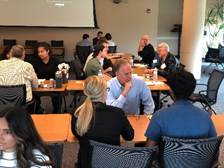
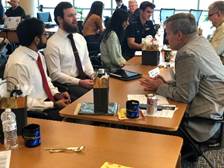
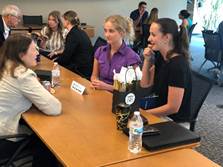
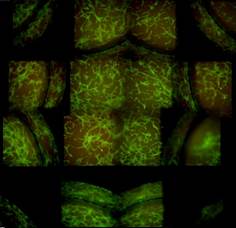
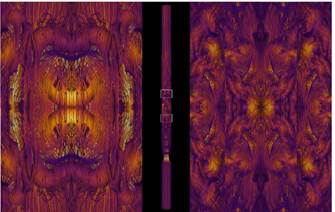
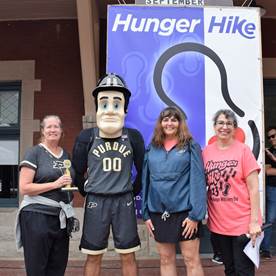
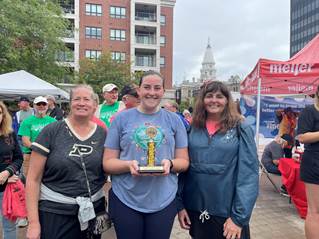
[cid:image001.jpg@01D9F125.6AF90950] BME WEEKLY ROUNDTABLE WEEK OF SEPTEMBER 25, 2023 INTERIM HEAD'S NOTE My apologies for getting this weekly roundtable to you late. It was a hectic week last week helping prepare and participating in a variety of events. I have been catching up emails in the past few days. * Last Tuesday-Wednesday's Purdue Engineering Distinguished Lecture by Dr. Huda Zoghbi was a success. It was well attended by our faculty and students. Many thanks to all of you. Highlights were all over Dr. Zoghbi's visitation - the lecture, the panel, the lab visit, the introduction to our department's research portfolio, and of course, the many one-on-one and small-group meetings. I think to some of us, her questions were very relevant. I paraphrase it here. Where do we want to see the department in 5 - 10 years with this group of energetic faculty and students? I think Dr. Zoghbi truly enjoyed this visit. She likes how BME PhD students are trained in general, and how much they can potentially help advance the fields of biology and neuroscience. * Last Friday's BME advisory board meeting was a success. Yay, we did it. I was a bit nervous at the beginning given that this is the first time I presided over such a meeting. Many faculty, students and staff provided tremendous help, for which I am very thankful. All feedback was quite positive. We had many engaging sessions. The three themes featured in the morning were "academic programs," "engineering - medicine partnership," and "innovation and translation." In the afternoon, we saw even more highlights. At the beginning, we had the session "senior design pitch." At the end, we had a very engaging roundtable discussion. The entire business was concluded with the Artistic Display in Research Exposition and Competition. I guess the only lowlight was the football game. While the performance of Purdue football was disappointing, it was so good to see many faculty members, staff, and some of our advisory board members in the stands, and it was so good to see the small ones jumping, chanting, cheering. It was just great atmosphere all over the place. To me, the biggest takeaway is again the question as above. How do we define our success? Where do we see ourselves 5 - 10 years from now? I see that It shall be determined by all of us in the department. [cid:image002.jpg@01D9F125.6AF90950][cid:image003.jpg@01D9F125.6AF90950][cid:image004.jpg@01D9F125.6AF90950] (BME Advisory Board hears senior design pitches) * Without Further Ado, it is my great honor to announce the winners in this year's Artistic Display in Research Exposition and Competition. Drum roll please. We had a total of 11 entries (9 Grad/post, and 2 UG). We had three categories: Most Artistic Display - Graduate/Postdoc Level; Most Artistic Display - Undergraduate Level; Promoting Engineering - Medicine Partnership Award. The first two awards were voted on by our faculty and the last one was voted on solely by our advisory board members. We received 25+ ballots for the first two categories and 6 for the last category. Here are the recipients of the Artistic Display of Research 2023 awards: 1. Most Artistic Display - Graduate/Postdoc Level Awarded to Claudia Benito Alston 2. Most Artistic Display - Undergraduate Level Awarded to Moses Joe Hamm 3. Promoting Engineering - Medicine Partnership Award Awarded to Moses Joe Hamm [cid:image005.jpg@01D9F125.6AF90950][cid:image006.jpg@01D9F125.6AF90950] Claudia Benito Alston: Moses Joe Hamm: "Microangiogenic Kaleidoscope" "Symmetry in Stonotic Blood Flow" It was a good turnout. It is so good to see more interactions between the advisory board and the students. I want to thank Susan Hardy, Linlin Li, and Asem Aboelzahab for their great work. There are pictures taken from the event. Please enjoy. * We collected a set of slide decks from the BME advisory board meeting. Jo and I will have them ready for everyone in a few days. * Our next BME faculty meeting will be on Friday, September 29, at 11:30 a.m. in MJIS 2001. We will kick off the meeting with a presentation by Joyce Main of the results of the COACHE survey. This will take about 40 minutes. We would like to have updates from all the directors/chairs. We are getting through the month of September, the busiest of the semester as far as the department operations concern. As we get into the thick of the semester, I see this meeting is a good segue. I expect a good turnout. I expect a good discussion, for which time shall be provided. * There are many excitements across all aspects. I have been informed of some of them. I want to highlight them in the following list, which is by no means, inclusive: * Dr. Eugenio Culurciello was named Interim Director of Institute for Physical Artificial Intelligence on September 1st, 2023 * Dr. Craig Goergen was elected Fellow of American Heart Association * Dr. Krishna Jayant was awarded by DoD for his project grant entitled "A Traveling Wave Basis for Coding Touch: Unraveling recurrent and translaminar circuit contributions to sensory-evoked traveling waves" * Dr. Fang Huang had his paper "Deep learning-driven adaptive optics for single-molecule localization microscopy" with Dr. Alex Chubykin published in Nature Methods. * We received very good results from the 2023 Biomedical Engineering High School Summer Internship. We placed 2 Top-10 finalists in 2023 BMES High School Poster Competition (the final ranking to be announced at the BMES annual meeting) and 2 more honorable mention awards * the Weldon School of Engineering won an award in mid-September at the Hunger Hike for best new team, https://www.homeofpurdue.com/event/hunger-hike/18147/. See the attached pictures. [cid:image007.jpg@01D9F125.6AF90950][cid:image008.jpg@01D9F125.6AF90950] * The IUPUI integration is going well: faculty (NTT faculty, courtesy appointment, tenure under review); teaching (UG, graduate programs, and new programs). I will visit their faculty meeting next Monday. If you have last-minute comments and questions, please let me know. UPCOMING IMPORTANT DATES Week of September 25 Tues., Sept. 26: Environmental and Ecological Engineering Research Seminar, 10:30 a.m., POTR 234 (Fu Room). Debora F. Rodrigues, PhD, Ezekiel Cullen Professor of Civil and Environmental Engineering, University of Houston, will present "Nanotechnologies or Biotechnologies: Which one is better?" Wed., Sept. 27: BME Research Seminar, 9:30 a.m., MJIS 1001 and via Zoom. Omer Inan, Linda J. and Mark C. Smith Chair in Bioscience and Bioengineering, School of Electrical and Computer Engineering, Georgia Institute of Technology will present "Wearable Acoustic and Vibration Sensing and Machine Learning for Human Health and Performance." Wed., Sept. 27: Center for Healthy Living Flu Shots. Seasonal flu shots are provided annually at no charge to all benefits-eligible Purdue faculty and staff, as well as spouses and dependents covered on a Purdue health plan, through a variety of means. The West Lafayette campus Center for Healthy Living<https://www.purdue.edu/hr/CHL/index.php>, located at 1400 W. State St., Building B, Suite C, will begin distributing flu shots on Sept. 27 with convenient, drive-thru vaccines. See Additional information below. Thurs., Sept. 28: BMS 692/CPB 697 Graduate Seminar, 12:30 p.m., LYNN 1136. Three graduate students will present their current research in the BMS 692/CPB 697 graduate seminar series on Thursday, September 28th at 12:30 p.m. in LYNN 1136. Shatha Mufti, Graduate Student, IBSC Program will present "Assessment of Seizure-Like Activity in Neuronal Networks Post-Traumatic Brain Injury Utilizing Novel TBI-on-a-Chip Model." Sun Jun Park, Graduate RA in CPB will present "Two Zebrafish Long-Fin Mutants are Caused by Transient Extopic Expression of the KCNJ10 Gene." Yiming Miao, Graduate RA in Medicinal Chemistry/Molecular Pharmacology will present "PRL2 Deletion Attenuates PIK3CA H1047R Driven Breasdt Tumorigenesis via PTEN Augmentation." The seminar series is sponsored by the College of Veterinary Medicine. Thurs., Sept. 28: Campuswide PurdueALERT test, 10:00 a.m. Purdue will test its PurdueALERT emergency notification system at 10:00 a.m. on Thursday, September 28. The test will include the activation of the outdoor all-hazards sirens. The test will help the campus community know what the sirens sound like and what to do during a potential emergency. While the Sept. 28 test requires no action, it should serve as a reminder to review building emergency plans and the emergency procedures guide. More information is available on the Emergency Preparedness and Planning website<https://www.purdue.edu/ehps/emergency-preparedness/index.php>. Thurs., Sept. 28: Seminars in Hearing Research, 12:00 noon, Nelson Hall, Room 1215. Varsha Mysore Athreya, PhD Student in SLHS will present "Age Effects on Auditory Temporal Processing and Relationship to Speech Perception in Noise." Fri., Sept. 29: MSE Seminar Series, 3:30 p.m., ARMS 1010. Roya Maboudian, Distinguished Professor of Chemical and Biomolecular Engineering and Co-Director of the Berkeley Sensor & Actuator Center (BSAC), University of California, Berkeley, will present "Microchemical Sensors for Environmental and Health Monitoring." This seminar is sponsored by Purdue's School of Materials Engineering. MJIS Updates Our semi-annual air handling shutdown is tentatively scheduled for Tuesday, October 10th. As a reminder: the entire building air handling system in MJIS will be turned off. ALL chemical hood activity, biosafety cabinet activity, autoclave work and activities in wet labs will need to STOP by 5 PM on Monday, October 9th. Any chemicals stored in the hoods will have to be sealed at that time. Signs will be posted on all hoods to remind users not to use the hoods Monday evening, and removed when the maintenance work is completed and normal operations can resume. Please plan ahead - DO NOT use chemicals in the lab areas that you would normally use in the hoods. Graduate Programs Update As we prepare for the Engineering Virtual Graduate Showcase<https://engineering.purdue.edu/Engr/Academics/Graduate/graduate-showcase> scheduled for October 1st and 2nd, we are rolling out Purdue Engineering GradMatch<https://engineering.purdue.edu/GradMatch>, a platform created for Purdue Engineering faculty and prospective graduate engineering students to search for and match with each other for undergraduate research and graduate study. This is an in-house platform built specifically for you to find the best graduate students. Use of this system is invite-only. This means that once GradMatch goes live, it will include only a select list of prospective students, registered for the grad showcase event, for faculty to review. Please invite your faculty to publish their profiles in the system by Monday, September 18th. Directions on how to publish a faculty profile appear below: 1. Visit the login page for Purdue Engineering GradMatch<https://engineering.purdue.edu/GradMatch> (https://engineering.purdue.edu/GradMatch) 2. On the login page, submit your Purdue Career Account Username and Password. 3. Go to Edit Profile. 4. Complete each field and upload documents/links. 5. Save changes. 6. Click the Publish button when your profile is complete. (Note that your profile will not be searchable by prospective students until you click the Publish button.) Thank you for your continued support of our college recruitment efforts! Colleen Dr. Colleen L. Coulter Assistant Director of Graduate Recruitment Antimicrobial Resistance Seminar Series - Purdue The College of Veterinary Medicine and Institute for Drug Discovery want to invite you to join fellow scientists at Purdue for the launch of the inaugural Antimicrobial Resistance (AMR) Seminar series. According to the U.S> Centers for Disease Control and Prevention and the Food and Drug Administration, 2.8 million antibiotic-resistant infections occur annually in the US, resulting in 35,000 deaths. Combating AMR requires multifaceted efforts both the healthcare and veterinary sectors. In response to this critical public health threat, scientists at Purdue are working together to increase awareness and discover solutions for advanced diagnostics, treatment, and prevention. Starting on September 13,the AMR Seminar Series will be held in person at the Lobby Conference Room at the Institute for Drug Discovery (from 12 p.m. to 1 p.m.). Please let us know if you are interested in giving a talk for the series. Faculty, graduate students and postdocs who want to participate are welcome to present; please send names and email addresses to amr-purdue@purdue.edu<mailto:amr-purdue@purdue.edu> A schedule will be coming soon. Upcoming important deadlines and information Wed., Oct. 4: BME Research Seminar, 9:30 a.m., MJIS 1001 or via Zoom. Alex Chubykin, Associate Professor of Biological Sciences and Member of Purdue Institute for Integrative Neuroscience, Purdue Autism Research Center, will present "Familiarity-evoked theta oscillations in the mouse visual cortex." Wed., Oct. 4: Seminar for Neurotrauma and Diseases, 4:00 p.m., DLR 131. Matthew P. Ward, Assistant Professor of Biomedical Engineering at Purdue and Adjunct Assistant Professor of Clinical Medicine, IUSOM, will present "Cracking the Autonomic Neural Code for Precise Bioelectronic Control of Organ Physiology." This seminar series is organized by the Center for Paralysis Research and supported by Plexon, the Purdue Institute for Integrative Neuroscience, and Purdue Institute for Drug Discovery. The Zoom link is: https://bit.ly/441Dllq<https://nam04.safelinks.protection.outlook.com/?url=https%3A%2F%2Fbit.ly%2F441Dllq&data=05%7C01%7Cbmeroundtable-list%40ecn.purdue.edu%7C4dcdbb865e094a4f1ef108dbbf5e15b2%7C4130bd397c53419cb1e58758d6d63f21%7C0%7C0%7C638314183051265395%7CUnknown%7CTWFpbGZsb3d8eyJWIjoiMC4wLjAwMDAiLCJQIjoiV2luMzIiLCJBTiI6Ik1haWwiLCJXVCI6Mn0%3D%7C3000%7C%7C%7C&sdata=nv2xlKRrc%2BfGCBrXYdN6QrcCWbNhpX0WCsHlwujqGDM%3D&reserved=0>. For additional information, see https://vet.purdue.edu/cpr/ Mon., Oct. 9 - Tues., Oct. 10: The NSF I-Corps Hub Great Lakes is offering an Industry Connect Program<https://nam04.safelinks.protection.outlook.com/?url=https%3A%2F%2Fwww.greatlakesicorps.org%2Fevent%2Findustry-connect-medical-devices-manufacturing-minneapolis%2F&data=05%7C01%7Cbmeroundtable-list%40ecn.purdue.edu%7C4dcdbb865e094a4f1ef108dbbf5e15b2%7C4130bd397c53419cb1e58758d6d63f21%7C0%7C0%7C638314183051265395%7CUnknown%7CTWFpbGZsb3d8eyJWIjoiMC4wLjAwMDAiLCJQIjoiV2luMzIiLCJBTiI6Ik1haWwiLCJXVCI6Mn0%3D%7C3000%7C%7C%7C&sdata=tgOrVt4DSmhk3O0t9AbOfzZG7wS9%2BpZVqwa5fQWuEwc%3D&reserved=0>, on Oct 9-Oct 10 in Minneapolis for attendees participating in the Medical Design and Manufacturing Conference, MD&M Conference<https://nam04.safelinks.protection.outlook.com/?url=https%3A%2F%2Fwww.advancedmanufacturingminneapolis.com%2Fen%2Fshow-brands%2Fmdm-minneapolis.html&data=05%7C01%7Cbmeroundtable-list%40ecn.purdue.edu%7C4dcdbb865e094a4f1ef108dbbf5e15b2%7C4130bd397c53419cb1e58758d6d63f21%7C0%7C0%7C638314183051265395%7CUnknown%7CTWFpbGZsb3d8eyJWIjoiMC4wLjAwMDAiLCJQIjoiV2luMzIiLCJBTiI6Ik1haWwiLCJXVCI6Mn0%3D%7C3000%7C%7C%7C&sdata=y8ewbcIeamZvIHqniQDeHgiPdgvTP6fCz5jrsNAHsv8%3D&reserved=0>. The primary goal of the Industry Connect workshop is to provide teams with essential networking and customer discovery skills on how to introduce themselves, talk to technology decision-makers, set up follow-up meetings, acquire feedback, and identify key milestones, etc. Teams then participate in a tradeshow (MD&M Conference) to apply the skills they have acquired. The hub is also offering a Medical Jumpstart Workshop<https://nam04.safelinks.protection.outlook.com/?url=https%3A%2F%2Fwww.greatlakesicorps.org%2Fevent%2Ffall-2023-medical-jumpstart-regional-i-corps-course%2F&data=05%7C01%7Cbmeroundtable-list%40ecn.purdue.edu%7C4dcdbb865e094a4f1ef108dbbf5e15b2%7C4130bd397c53419cb1e58758d6d63f21%7C0%7C0%7C638314183051265395%7CUnknown%7CTWFpbGZsb3d8eyJWIjoiMC4wLjAwMDAiLCJQIjoiV2luMzIiLCJBTiI6Ik1haWwiLCJXVCI6Mn0%3D%7C3000%7C%7C%7C&sdata=eeoNpXUbR7EOczBnOSQYjh%2BZXOfadlz9Yx0RJeNWMlI%3D&reserved=0>, Sept 29-Nov 17 (offered virtually) to teams exploring the commercial viability of their Medical-based innovation idea. This course is for faculty, researchers, and students with Medical-based ideas or Intellectual Property and a strong interest in commercializing their technology. Teams participating in this workshop will receive funding up to $1000/team for Customer Discovery purposes. The funding can also be used to participate in the Industry Connect Program. Please share this information with interested faculty and students. Feel free to reach out to me or Matthew Lynall (mlynall@purdue.edu<mailto:mlynall@purdue.edu>) for any questions. Thanks, Geetali Geetali Pradhan, Ph.D., MBA (gpradhan@purdue.edu<mailto:gpradhan@purdue.edu>) Tech Commercialization Specialist, Daniels School of Business Innovation and Outreach Specialist, NSF I-Corps Hub, Great Lakes Region Purdue University LinkedIn<https://nam04.safelinks.protection.outlook.com/?url=https%3A%2F%2Fwww.linkedin.com%2Fin%2Fgeetali-pradhan-8971591a%2F&data=05%7C01%7Cbmeroundtable-list%40ecn.purdue.edu%7C4dcdbb865e094a4f1ef108dbbf5e15b2%7C4130bd397c53419cb1e58758d6d63f21%7C0%7C0%7C638314183051265395%7CUnknown%7CTWFpbGZsb3d8eyJWIjoiMC4wLjAwMDAiLCJQIjoiV2luMzIiLCJBTiI6Ik1haWwiLCJXVCI6Mn0%3D%7C3000%7C%7C%7C&sdata=OjLzHrKqU%2FtCnLeBAh1oRjkxNir4vZC1tAa5lH8wxVU%3D&reserved=0> Google Scholar<https://nam04.safelinks.protection.outlook.com/?url=https%3A%2F%2Fscholar.google.com%2Fcitations%3Fuser%3DK5IZpcgAAAAJ%26hl%3Den%26oi%3Dao&data=05%7C01%7Cbmeroundtable-list%40ecn.purdue.edu%7C4dcdbb865e094a4f1ef108dbbf5e15b2%7C4130bd397c53419cb1e58758d6d63f21%7C0%7C0%7C638314183051265395%7CUnknown%7CTWFpbGZsb3d8eyJWIjoiMC4wLjAwMDAiLCJQIjoiV2luMzIiLCJBTiI6Ik1haWwiLCJXVCI6Mn0%3D%7C3000%7C%7C%7C&sdata=eA07ZIW9O2HtoBqJdDkcLdTxKjm%2FaqmWezOKt9E222k%3D&reserved=0> Great Lakes I-Corps Hub Website<https://nam04.safelinks.protection.outlook.com/?url=https%3A%2F%2Fwww.greatlakesicorps.org%2F&data=05%7C01%7Cbmeroundtable-list%40ecn.purdue.edu%7C4dcdbb865e094a4f1ef108dbbf5e15b2%7C4130bd397c53419cb1e58758d6d63f21%7C0%7C0%7C638314183051265395%7CUnknown%7CTWFpbGZsb3d8eyJWIjoiMC4wLjAwMDAiLCJQIjoiV2luMzIiLCJBTiI6Ik1haWwiLCJXVCI6Mn0%3D%7C3000%7C%7C%7C&sdata=v4XkZP2c5rIMzdWg7Q985CUte1UmaRCw6riSP%2Bfj49g%3D&reserved=0> Wed., Oct. 11: BME PhD Preliminary Exam Announcement for Hao-Cheng Gao (F. Huang, advisor). Everyone is invited to attend the public presentation beginning at 2PM in MJIS 2001. Research title: Ultrahigh-Resolution Imaging and Quantitative Analysis Through Brain Tissue with High Accuracy. Thurs., Oct. 12: BME PhD Preliminary Exam Announcement for Donghyun Yim (T. Kim, advisor). Everyone is invited to attend the public presentation beginning at 12:00 pm in MJIS 2001. Title: Computational modeling of chemotactic cell migration enhanced with stress fiber dynamics. Wed., Oct. 18: Seminar for Neurotrauma and Diseases, 4:00 p.m., NLSN 1995. Richard Rogers, MD, Neurosurgeon, Goodman Campbell Brain and Spine Neurosurgery Group will present "Traumatic Brain Injury Outcome Prediction from the ICU." This seminar series is organized by the Center for Paralysis Research and supported by Plexon, the Purdue Institute for Integrative Neuroscience, and Purdue Institute for Drug Discovery. The Zoom link is: https://bit.ly/441Dllq<https://nam04.safelinks.protection.outlook.com/?url=https%3A%2F%2Fbit.ly%2F441Dllq&data=05%7C01%7Cbmeroundtable-list%40ecn.purdue.edu%7C4dcdbb865e094a4f1ef108dbbf5e15b2%7C4130bd397c53419cb1e58758d6d63f21%7C0%7C0%7C638314183051265395%7CUnknown%7CTWFpbGZsb3d8eyJWIjoiMC4wLjAwMDAiLCJQIjoiV2luMzIiLCJBTiI6Ik1haWwiLCJXVCI6Mn0%3D%7C3000%7C%7C%7C&sdata=nv2xlKRrc%2BfGCBrXYdN6QrcCWbNhpX0WCsHlwujqGDM%3D&reserved=0>. For additional information, see https://vet.purdue.edu/cpr/ Wed., Oct. 25: Seminar for Neurotrauma and Diseases, 4:00 p.m., DLR 131. Wenjing Sun, Assistant Professor of Neuroscience, The Ohio State University will present "Unraveling the Cellular and Molecular Mechanisms Controlling Activity-dependent Myelin Formation and Restoration in the Central Nervous System." This seminar series is organized by the Center for Paralysis Research and supported by Plexon, the Purdue Institute for Integrative Neuroscience, and Purdue Institute for Drug Discovery. The Zoom link is: https://bit.ly/441Dllq<https://nam04.safelinks.protection.outlook.com/?url=https%3A%2F%2Fbit.ly%2F441Dllq&data=05%7C01%7Cbmeroundtable-list%40ecn.purdue.edu%7C4dcdbb865e094a4f1ef108dbbf5e15b2%7C4130bd397c53419cb1e58758d6d63f21%7C0%7C0%7C638314183051265395%7CUnknown%7CTWFpbGZsb3d8eyJWIjoiMC4wLjAwMDAiLCJQIjoiV2luMzIiLCJBTiI6Ik1haWwiLCJXVCI6Mn0%3D%7C3000%7C%7C%7C&sdata=nv2xlKRrc%2BfGCBrXYdN6QrcCWbNhpX0WCsHlwujqGDM%3D&reserved=0>. For additional information, see https://vet.purdue.edu/cpr/ Wed., Nov. 29: Seminar for Neurotrauma and Diseases, 4:00 p.m., DLR 131. Koji Uchida, Professor of Food Chemistry, University of Tokyo will present "Conversion of Proteins into DNA Mimetics by Reactive Aldehydes." This seminar series is organized by the Center for Paralysis Research and supported by Plexon, the Purdue Institute for Integrative Neuroscience, and Purdue Institute for Drug Discovery. The Zoom link is: https://bit.ly/441Dllq<https://nam04.safelinks.protection.outlook.com/?url=https%3A%2F%2Fbit.ly%2F441Dllq&data=05%7C01%7Cbmeroundtable-list%40ecn.purdue.edu%7C4dcdbb865e094a4f1ef108dbbf5e15b2%7C4130bd397c53419cb1e58758d6d63f21%7C0%7C0%7C638314183051265395%7CUnknown%7CTWFpbGZsb3d8eyJWIjoiMC4wLjAwMDAiLCJQIjoiV2luMzIiLCJBTiI6Ik1haWwiLCJXVCI6Mn0%3D%7C3000%7C%7C%7C&sdata=nv2xlKRrc%2BfGCBrXYdN6QrcCWbNhpX0WCsHlwujqGDM%3D&reserved=0>. For additional information, see https://vet.purdue.edu/cpr/ Fri., Dec. 1: Indiana Human-Centered Design for Health Seminar Series, 12:00 p.m. via Zoom. Lean about research and best practices in HCD and health, promote the diverse HCD expertise in Indiana, and build a community of HCD researchers and practitioners focused on health, in Indiana and beyond. The speaker will be Jackie Linnes, Associate Professor of Biomedical Engineering at Purdue. Register and learn about upcoming seminars at healthtechquitylab.org/hcd-seminar Fri., March 1: Indiana Human-Centered Design for Health Seminar Series, 12:00 p.m. via Zoom. Lean about research and best practices in HCD and health, promote the diverse HCD expertise in Indiana, and build a community of HCD researchers and practitioners focused on health, in Indiana and beyond. The speaker will be Andrew Miller, Associate Professor and Chair, Department of Hunan-Centered Computing, IUPUI. Register and learn about upcoming seminars at healthtechquitylab.org/hcd-seminar Fri., June 7: Indiana Human-Centered Design for Health Seminar Series, 12:00 p.m. via Zoom. Lean about research and best practices in HCD and health, promote the diverse HCD expertise in Indiana, and build a community of HCD researchers and practitioners focused on health, in Indiana and beyond. The speaker will be Youngbok Hon, Professor, Herron School of Art and Design, IUPUI. Register and learn about upcoming seminars at healthtechquitylab.org/hcd-seminar Resources and further information Tues., Sept. 26: Environmental and Ecological Engineering Research Seminar, 10:30 a.m., POTR 234 (Fu Room). Debora F. Rodrigues, PhD, Ezekiel Cullen Professor of Civil and Environmental Engineering, University of Houston, will present "Nanotechnologies or Biotechnologies: Which one is better?" Abstract: The World Health Organization estimated that about 11% of the world's population does not have access to clean water and about 1.6 million deaths are caused by contaminated water annually. Even though there are diverse water treatment technologies available today, they are not widely distributed or suitable for all geographic locations and types of water contamination because they have different treatment efficiencies and costs. Furthermore, as our understanding of environmental and health effects of diverse contaminants evolve with advanced analytical technologies, we have been able to identify new emerging contaminants, such as antibiotics, health care products, and others, that cannot be easily treated with the current wastewater and water treatment methods, therefore new approaches need to be developed. In my research group, we have investigated both biotechnologies and nanotechnologies to treat simultaneously diverse types of water contaminants. By using either nanotechnologies and biotechnologies or both approaches together, we were able to gain a better understanding on how they can be used synergistically to improve the removal of diverse contaminants, such as organic matter, metals, and emergent contaminants. In the case of nanotechnologies, we used different photocatalysis and nanoadsorbents that could successfully remove metals and emerging contaminants. Microorganisms, including bacteria, fungi, and algae, are also very promising for biotechnological removal of contaminants by adsorption or biotransformation of pollutants. Ultimately, my research group goal is to combine the complementary benefits of nanotechnology and biotechnology to enhance water treatment to better remove simultaneously diverse contaminants from water. Bio: Dr. Debora Rodrigues is the Ezekiel Cullen Professor of Environmental Engineering at the University of Houston, TX. She is also the president of the AEESP (Association of Environmental Engineering and Science Professors) organization. She is currently rotating at NSF and serving as NSF program officer for the Partnerships for Innovation (PFI), Mid-Career Advancement (MCA), Future of Work at the Human-Technology Frontier, Engineering Research Center (ERC), Accelerating Research Translation (ART), and Bioinspired programs. She also plays an advisory role at NSF for the ADVANCE program and Open Science Initiative. Her research interests are in the water-energy nexus field. Her unique and transformative interdisciplinary research has led to new alternative biotechnological and nanotechnological water treatment and membrane desalination technologies. As a result of her exceptional contributions to the water field, she was honored with the National Science Foundation (NSF) CAREER Award in 2012, given to a small number of high-potential junior faculty nationwide. She also received several prestigious awards in her career, just to name a few, she was the recipient of the U.S. Department of Energy's C3E Research Award in the area of water-energy nexus, and the Environmental Award honoree at the 28th HENAAC Conference. Her contributions were noted by the National Academy of Engineers, where she was nominated and invited to participate in the prestigious Frontiers of Engineering (FOE) program. She has more than 100 publications with more than 873 citations in her field of expertise. Wed., Sept. 27: BME Research Seminar, 9:30 a.m., MJIS 1001 and via Zoom. Omer Inan, Linda J. and Mark C. Smith Chair in Bioscience and Bioengineering, School of Electrical and Computer Engineering, Georgia Institute of Technology will present "Wearable Acoustic and Vibration Sensing and Machine Learning for Human Health and Performance." Abstract: Recent advances in digital health technologies are enabling biomedical researchers to reframe health optimization and disease treatment in a patient-specific, personalized manner. This talk will focus on my group's research in two areas of relevance to digital health: (1) cardiogenic vibration sensing and analytics; and (2) musculoskeletal sensing with joint acoustic emissions and bioimpedance. Our group has extensively studied the timings and characteristics of cardiogenic vibration signals such as the ballistocardiogram and seismocardiogram, and applied these signals for cuffless blood pressure measurement, heart failure monitoring, and human performance. We have also leveraged miniature contact microphones to measure the sounds emitted by joints, such as the knees, in the context of movement, and have examined how these acoustic characteristics are altered by musculoskeletal injuries and disorders (e.g., arthritis). We envision that these technologies can all contribute to improving patient care with lower cost and better outcomes. Biography Omer Inan is Professor and Linda J. and Mark C. Smith Chair in Bioscience and Bioengineering in the School of Electrical and Computer Engineering, and Adjunct Professor in the Coulter Department of Biomedical Engineering, at Georgia Tech. He received his BS, MS, and PhD in Electrical Engineering from Stanford in 2004, 2005, and 2009, respectively. From 2009-2013, he was the Chief Engineer at Countryman Associates, Inc., a professional audio manufacturer of miniature microphones and high-end audio products for Broadway theaters, theme parks, and broadcast networks. His research focuses on non-invasive physiological sensing and modulation for human health and performance. He has published more than 340 technical articles in peer-reviewed international journals and conferences, and has twelve issued patents. He has received several major awards for his research including the US National Science Foundation Faculty Early Career (CAREER) award, the US Office of Naval Research Young Investigator award, and the IEEE Sensors Council Early Career award. He also received an Academy Award for Technical Achievement from The Academy of Motion Picture Arts and Sciences (The Oscars). He is an Elected Fellow of the American Institute for Medical and Biological Engineering (AIMBE), a Fellow of the American College of Cardiology, and an IEEE Engineering in Medicine and Biology Society Distinguished Lecturer. While at Stanford as an undergraduate, he was the school record holder and a three-time National Collegiate Athletic Association All-American in the discus throw. ~ BME Host: Young Kim ~ Zoom link: https://purdue-edu.zoom.us/j/5593290378?pwd=eFBOZFlNTU50ZDA2S2gwcnpyOWIwUT09<https://nam04.safelinks.protection.outlook.com/?url=https%3A%2F%2Fpurdue-edu.zoom.us%2Fj%2F5593290378%3Fpwd%3DeFBOZFlNTU50ZDA2S2gwcnpyOWIwUT09&data=05%7C01%7Cbmeroundtable-list%40ecn.purdue.edu%7C4dcdbb865e094a4f1ef108dbbf5e15b2%7C4130bd397c53419cb1e58758d6d63f21%7C0%7C0%7C638314183051265395%7CUnknown%7CTWFpbGZsb3d8eyJWIjoiMC4wLjAwMDAiLCJQIjoiV2luMzIiLCJBTiI6Ik1haWwiLCJXVCI6Mn0%3D%7C3000%7C%7C%7C&sdata=ju3y%2FVsJcveRdbsiJdaWjReoT4gc9pCw71257OX8rbU%3D&reserved=0> Note: Students registered for the seminar are expected to attend in-person. Wed., Sept. 27, Center for Healthy Living Flu Shots. Seasonal flu shots are provided annually at no charge to all benefits-eligible Purdue faculty and staff, as well as spouses and dependents covered on a Purdue health plan, through a variety of means. The West Lafayette campus Center for Healthy Living<https://www.purdue.edu/hr/CHL/index.php>, located at 1400 W. State St., Building B, Suite C, will begin distributing flu shots on Sept. 27 with convenient, drive-thru vaccines. No appointment is required to obtain a flu vaccine at CHL via drive-thru, walk-in or at on-campus events hosted by the CHL. Drive-thru flu shots will be offered on the south side of CHL, with both morning and evening time slots available for added convenience. The CHL drive-thru schedule is below: · Sept. 27, 7-9 a.m. · Sept. 28, 4-6 p.m. · Oct. 4, 7-9 a.m. · Oct. 5, 4-6 p.m. On-campus flu shot events planned as follows: · Oct. 19, 7 a.m. to 5 p.m., Smalley West Conference Room · Oct. 20, 7:30 a.m. to 4 p.m., Dining Room, 2550 Northwestern Ave, Suite 1100 · Oct. 25, 7 a.m. to 5 p.m., Stewart Center, Room 302 Walk-in flu shots at the CHL beginning Oct. 2. Patients can stop by to receive their flu shots; appointments are not required. Pediatric patients 6 months and older can also receive their flu shots at the CHL beginning Oct. 1. CHL vaccine information The CHL on Purdue's West Lafayette campus will be administering: · Fluzone quadrivalent vaccine, which is designed to protect against four different flu viruses; two influenza A viruses and two influenza B viruses. It is approved for anyone ages 6 months and older. · Flublok quadrivalent vaccine, which is designed to protect against four different flu viruses; two influenza A viruses and two influenza B viruses. It is approved for use in ages 18 years and older. It is preservative- and egg-free. Thurs., Sept. 28: Seminars in Hearing Research, 12:00 noon, Nelson Hall, Room 1215. Varsha Mysore Athreya, PhD Student in SLHS will present "Age Effects on Auditory Temporal Processing and Relationship to Speech Perception in Noise." Abstract: Individuals with normal audiometric sensitivity have variable speech perception in noise capabilities, which can worsen with age. Temporal processing plays a vital role in speech perception, especially in adverse listening conditions. Auditory decline due to aging manifests both as peripheral pathology and central auditory system changes, leading to altered temporal processing. To understand the relative contributions of these changes, we measure within-(frequency)-channel and cross-channel temporal processing in normal-hearing individuals across a wide age range. Robust perception of within-channel temporal cues requires precise coding both at peripheral and central levels of the auditory pathways. However, cross-channel processing is supported by central mechanisms. In this talk, I will present our results from a battery of behavioral and electrophysiological measures of within- and cross-channel temporal processing. Age effects on cross-channel temporal-coherence processing appear to be larger than within-channel alterations. Furthermore, our metrics of individual cross-channel temporal-coherence processing are stronger predictors of speech-in-noise outcomes, especially when tasks emphasize streaming and selective attention. Taken together, our results underscore the importance of central auditory changes in aging as a key contributor to age-related perceptual deficits. This year's SHRP schedule is available here: https://purdue.edu/TPAN/hearing/shrp_schedule<https://nam04.safelinks.protection.outlook.com/?url=http%3A%2F%2Fogww.mj.am%2Flnk%2FAU8AAEukm7AAAchk2HAAALFJlZgAAYCsFQMAnDnUAATD7ABh_T90ybQipdUVQZ20y9CAzjYFPgAEkSo%2F5%2FVzPUtXKo0Dowllp_TK_BrQ%2FaHR0cHM6Ly9wdXJkdWUuZWR1L1RQQU4vaGVhcmluZy9zaHJwX3NjaGVkdWxl&data=05%7C01%7Cbmeroundtable-list%40ecn.purdue.edu%7C4dcdbb865e094a4f1ef108dbbf5e15b2%7C4130bd397c53419cb1e58758d6d63f21%7C0%7C0%7C638314183051421612%7CUnknown%7CTWFpbGZsb3d8eyJWIjoiMC4wLjAwMDAiLCJQIjoiV2luMzIiLCJBTiI6Ik1haWwiLCJXVCI6Mn0%3D%7C3000%7C%7C%7C&sdata=vDgwuY0daxweGnKEwf8wnSXlUSh%2Fx1Lr0Fqwn86CFVg%3D&reserved=0> Titles and abstracts of all SHRP talks are here: https://purdue.edu/TPAN/hearing/shrp_abstracts<https://nam04.safelinks.protection.outlook.com/?url=http%3A%2F%2Fogww.mj.am%2Flnk%2FAU8AAEukm7AAAchk2HAAALFJlZgAAYCsFQMAnDnUAATD7ABh_T90ybQipdUVQZ20y9CAzjYFPgAEkSo%2F6%2Fa2vUEcd_J6SQbZdR8Ley5Q%2FaHR0cHM6Ly9wdXJkdWUuZWR1L1RQQU4vaGVhcmluZy9zaHJwX2Fic3RyYWN0cw&data=05%7C01%7Cbmeroundtable-list%40ecn.purdue.edu%7C4dcdbb865e094a4f1ef108dbbf5e15b2%7C4130bd397c53419cb1e58758d6d63f21%7C0%7C0%7C638314183051421612%7CUnknown%7CTWFpbGZsb3d8eyJWIjoiMC4wLjAwMDAiLCJQIjoiV2luMzIiLCJBTiI6Ik1haWwiLCJXVCI6Mn0%3D%7C3000%7C%7C%7C&sdata=1P60k%2F%2BoHXasxWgjR%2FRNilxWMb6OuTD4x%2BUk2LTqh%2FY%3D&reserved=0> Fri., Sept. 29: MSE Seminar Series, 3:30 p.m., ARMS 1010. Roya Maboudian, Distinguished Professor of Chemical and Biomolecular Engineering and Co-Director of the Berkeley Sensor & Actuator Center (BSAC), University of California, Berkeley, will present "Microchemical Sensors for Environmental and Health Monitoring." Abstract: There remains a strong need for miniaturized, low-power gas sensors that can be deployed in wireless applications for improved environmental protection, for public health, and for safe and efficient operation of many industrial processes. Leveraging the microfabrication technologies and utilizing innovations in high surface area nanomaterials are providing exciting opportunities towards low-power microchemical sensors. In this presentation, I will discuss one of the approaches we have been pursuing, which is based on a highly efficient microheater platform with fast response and recovery times. The design, fabrication and characteristics of this platform will be presented. I will also discuss the use of two-dimensional materials for gas sensing applications since they offer the highest possible surface area for gas interaction, leading to high sensitivity. Assembling these two-dimensional materials into three-dimensional assemblies, such as aerogels, provides a low-density material with large number of interconnected pores that increases the surface area available in a given footprint while maintaining the properties of the few-layer sheets. By integrating these nanomaterials with our microheater platform, we have achieved fast and sensitive detection of several health and environmental pollutants. The talk will end with current limitations and plans for future directions. Biography: Roya Maboudian is Distinguished Professor of Chemical and Biomolecular Engineering, and Co-Director of the Berkeley Sensor & Actuator Center (BSAC) at the University of California, Berkeley. She received her B.S. degree in Electrical Engineering from the Catholic University of America, Washington, D.C., and her M.S. and Ph.D. degrees in Applied Physics from the California Institute of Technology in Pasadena. Her research interest is in the surface and materials science and engineering of micro/nanosystems, with applications in health and environmental monitoring, harsh-environment sensing, energy technologies and sustainability. She is the recipient of several awards, including the Presidential Early Career Award for Scientists and Engineers (PECASE) from the White House, NSF Young Investigator award, and the Beckman Young Investigator award. She is a Fellow of the American Vacuum Society (AVS) and the Institute of Electrical and Electronics Engineers (IEEE). She has served as editor to the American Chemical Society (ACS) Sensors and the IEEE Journal of Microelectromechanical Systems (JMEMS), and as associate editor to IEEE/SPIE Journal on Micro/Nanolithography, MEMS and MOEMS (JM3). This seminar is sponsored by Purdue's School of Materials Engineering. Wed., Oct. 4: BME Research Seminar, 9:30 a.m., MJIS 1001 or via Zoom. Alex Chubykin, Associate Professor of Biological Sciences and Member of Purdue Institute for Integrative Neuroscience, Purdue Autism Research Center, will present "Familiarity-evoked theta oscillations in the mouse visual cortex." Abstract: Recognizing familiarity and novelty in the environment is critical for animal survival. Surprisingly, very little is known about how animals distinguish familiar from novel stimuli. We have recently discovered persistent stimulus-triggered theta oscillations in the visual cortex of mice, which are specific to the familiarity and spatial frequency features of the stimulus. These oscillations are dependent on the cholinergic muscarinic receptors for both induction and expression. Familiarity-evoked oscillations lead to the decrease in suprathreshold responses to the non-preferred directions of the drifting sinusoidal gratings and to the improved direction selectivity in V1 neurons. We then used optogenetics to directly measure the synaptic strength of the light-triggered EPSCs in V1 neurons in head-fixed mice. We discovered the weakening of the thalamocortical projections coinciding with the strengthening of the intracortical projections in V1 following visual experience and emergence of the familiarity-evoked theta oscillations. Finally, we have discovered theta oscillations in the higher visual areas (HVAs) which are synchronized with the theta oscillations in V1 following visual experience. This synchronization varies between different HVAs and depends on the properties of the visual stimuli. Biography: Alex Chubykin is an Associate Professor at the Department of Biological Sciences, Purdue Institute for Integrative Neuroscience, Purdue Autism Research Center. Dr. Chubykin's research aims to understand how experience shapes neural circuits and affects their function in health and disease. His laboratory uses state-of-the-art techniques, such as in vitro circuit mapping, in vivo electrophysiology, optogenetics, and behavior, to investigate the synaptic and network properties of the visual cortex and other brain regions. Dr. Chubykin has made significant contributions to the understanding of synaptic plasticity and its role in sensory processing, learning, memory, and neurological disorders. He has published over 28 peer-reviewed papers in prestigious journals, such as Nature Methods, Neuron, Cell Reports, and Journal of Neuroscience. He has received several awards and honors for his research, such as the Whitehall Foundation Research Award, and the Showalter Young Investigator Award. ~ BME Host: Fang Huang ~ Zoom link: https://purdue-edu.zoom.us/j/98537319265<https://nam04.safelinks.protection.outlook.com/?url=https%3A%2F%2Fpurdue-edu.zoom.us%2Fj%2F98537319265&data=05%7C01%7Cbmeroundtable-list%40ecn.purdue.edu%7C4dcdbb865e094a4f1ef108dbbf5e15b2%7C4130bd397c53419cb1e58758d6d63f21%7C0%7C0%7C638314183051421612%7CUnknown%7CTWFpbGZsb3d8eyJWIjoiMC4wLjAwMDAiLCJQIjoiV2luMzIiLCJBTiI6Ik1haWwiLCJXVCI6Mn0%3D%7C3000%7C%7C%7C&sdata=Uj0LJT%2FPARo7vsmsHcA%2FW4CfeyVPyGumS1wA2eHr8BY%3D&reserved=0> Note: Students registered for the seminar are expected to attend in-person. Wed., Oct. 11: BME PhD Preliminary Exam Announcement for Hao-Cheng Gao (F. Huang, advisor). Everyone is invited to attend the public presentation beginning at 2PM in MJIS 2001. Research title: Ultrahigh-Resolution Imaging and Quantitative Analysis Through Brain Tissue with High Accuracy. Thesis Committee members: Fang Huang, Chair; Alexander A. Chubykin; Daniel M. Suter; Kevin J. Webb Abstract: 4Pi single-molecule localization microscopy (4Pi-SMLM) enables the revealing of ultrastructure by combining interferometric coherent fluorescence imaging and single-molecule localization. Current methods model the interferometric point spread function (PSF) by scanning in-vitro beads on coverslips to infer in-situ 3D location of single-molecule fluorophores in specimens. Although a resolution of sub-20-nm throughout the whole cell has been achieved, imaging tissue specimens was impeded by the heterogeneous aberration and scattering in tissue environment. Here, we introduce 4Pi in-situ PSF retrieval method (4Pi-INSPR), which allows 12-nm-resolution visualization and quantitative analysis through brain tissue with high accuracy. 4Pi-INSPR incorporates sample-induced aberrations, previously unattainable by conventional 4Pi-SMLM. 4Pi-INSPR also minimizes reconstruction artifacts from instrumental imperfections such as objective and imaging-quadrant misalignments. We demonstrate 4Pi-INSPR capabilities by revealing the ultrastructure of dendrites and dendritic spines in 50-μm mouse brain sections and quantifying their morphology changes and nanoscale molecular distribution. Together, 4Pi-INSPR provides potential in examining synaptic functions for brain development. Thurs., Oct. 12: BME PhD Preliminary Exam Announcement for Donghyun Yim (T. Kim, advisor). Everyone is invited to attend the public presentation beginning at 12:00 pm in MJIS 2001. Title: Computational modeling of chemotactic cell migration enhanced with stress fiber dynamics. Advisory Committee: Taeyoon Kim, Chair; Adrian Buganza-Tepole; Daniel M. Suter; Qing Deng Abstract: Directional cell migration is the essential ability of many cells and occurs in the guidance of different types of cues, including substrate stiffness, surface topology, and chemoattractant gradient. In particular, when the external chemotactic stimuli are present, chemoattractant successively activates signaling pathways in the cell, followed by the nucleation and polymerization of actin filaments (F-actins). As a result, F-actin establishment and protrusion are biased at the sites with the maximal concentration of chemotactic cues, leading to migration toward chemoattractant. For the migration, formation of focal adhesions between the cell and an extracellular environment is necessary. Chemotaxis has been studied in various computational studies. However, to our knowledge, the computational model of chemotaxis considering the dynamics of F-actins and focal adhesions still lacks. To address this gap, we introduce a two-dimensional cell migration model comprising nucleus, membrane, F-actins, and underlying substrate. In this model, it is assumed that the elongation rate of an individual F-actin is enhanced by the local chemoattractant level in order to capture the dependence of the F-actin polymerization rate on the chemoattractant concentration. Repulsive forces act between F-actin and the membrane to simulate the membrane protrusion driven by elongating F-actins. F-actins are allowed to bind to substrate via focal adhesions. In preliminary results, it was observed that a cell located in the middle of a linear concentration gradient for chemoattractant protrudes and then migrates toward the region with higher concentration. We expect the current concept of the model will provide better understanding of F-actin-mediated chemotaxis. BME Weekly Research Seminars Week # Date Speaker Title Host Website 6 9/27/2023 Omer Inan Linda J. and Mark C. Smith Chair Professor at Georgia Tech Young Kim https://irl.gatech.edu<https://nam04.safelinks.protection.outlook.com/?url=https%3A%2F%2Firl.gatech.edu%2F&data=05%7C01%7Cbmeroundtable-list%40ecn.purdue.edu%7C4dcdbb865e094a4f1ef108dbbf5e15b2%7C4130bd397c53419cb1e58758d6d63f21%7C0%7C0%7C638314183051421612%7CUnknown%7CTWFpbGZsb3d8eyJWIjoiMC4wLjAwMDAiLCJQIjoiV2luMzIiLCJBTiI6Ik1haWwiLCJXVCI6Mn0%3D%7C3000%7C%7C%7C&sdata=jsnnJyhsJIbHz4B2xI%2BD%2F3GJWOkD3XtxjRPwZLL02kY%3D&reserved=0> 7 10/4/2023 Alexander Chubykin Associate Professor Department of Biological Sciences Purdue University Fang Huang https://www.bio.purdue.edu/People/profile/achubyki.html 8 10/11/2023 Kyung Sung Chief of Cellular and Tissue Therapy Branch, FDA Young Kim https://www.fda.gov/vaccines-blood-biologics/biologics-research-projects/investigating-effects-cell-materials-interactions-safety-and-effectiveness-cell-based-products<https://nam04.safelinks.protection.outlook.com/?url=https%3A%2F%2Fwww.fda.gov%2Fvaccines-blood-biologics%2Fbiologics-research-projects%2Finvestigating-effects-cell-materials-interactions-safety-and-effectiveness-cell-based-products&data=05%7C01%7Cbmeroundtable-list%40ecn.purdue.edu%7C4dcdbb865e094a4f1ef108dbbf5e15b2%7C4130bd397c53419cb1e58758d6d63f21%7C0%7C0%7C638314183051421612%7CUnknown%7CTWFpbGZsb3d8eyJWIjoiMC4wLjAwMDAiLCJQIjoiV2luMzIiLCJBTiI6Ik1haWwiLCJXVCI6Mn0%3D%7C3000%7C%7C%7C&sdata=YRqX0pHV4tTURTTMrhNOhbZlrM0OAoK4hR0M1qokEtU%3D&reserved=0> 9 10/18/2023 Alan Grodzinsky Professor of Biological, Electrical, and Mechanical Engineering Department of Biological Engineering, MIT Deva Chan https://be.mit.edu/directory/alan-j-grodzinsky<https://nam04.safelinks.protection.outlook.com/?url=https%3A%2F%2Fbe.mit.edu%2Fdirectory%2Falan-j-grodzinsky&data=05%7C01%7Cbmeroundtable-list%40ecn.purdue.edu%7C4dcdbb865e094a4f1ef108dbbf5e15b2%7C4130bd397c53419cb1e58758d6d63f21%7C0%7C0%7C638314183051421612%7CUnknown%7CTWFpbGZsb3d8eyJWIjoiMC4wLjAwMDAiLCJQIjoiV2luMzIiLCJBTiI6Ik1haWwiLCJXVCI6Mn0%3D%7C3000%7C%7C%7C&sdata=ntfCioZrUzdzo%2BDl7v3q7Y4eGQ4SW%2BTsi4i%2B151cLzQ%3D&reserved=0> 10 10/25/2023 Nian Wang Assistant Professor of Radiology & Imaging Sciences, Indiana School of Medicine Yunjie Tong https://medicine.iu.edu/faculty/48212/wang-nian<https://nam04.safelinks.protection.outlook.com/?url=https%3A%2F%2Fmedicine.iu.edu%2Ffaculty%2F48212%2Fwang-nian&data=05%7C01%7Cbmeroundtable-list%40ecn.purdue.edu%7C4dcdbb865e094a4f1ef108dbbf5e15b2%7C4130bd397c53419cb1e58758d6d63f21%7C0%7C0%7C638314183051421612%7CUnknown%7CTWFpbGZsb3d8eyJWIjoiMC4wLjAwMDAiLCJQIjoiV2luMzIiLCJBTiI6Ik1haWwiLCJXVCI6Mn0%3D%7C3000%7C%7C%7C&sdata=J2wKfxEtOS8QQJpy%2BJ0%2FQEgvf1XdHETAfXElE25KsOI%3D&reserved=0> 11 11/1/2023 Ben Gaston Billie Lou Wood Professor of Pediatrics Indiana University School of Medicine George Wodicka https://medicine.iu.edu/faculty/43800/gaston-benjamin<https://nam04.safelinks.protection.outlook.com/?url=https%3A%2F%2Fmedicine.iu.edu%2Ffaculty%2F43800%2Fgaston-benjamin&data=05%7C01%7Cbmeroundtable-list%40ecn.purdue.edu%7C4dcdbb865e094a4f1ef108dbbf5e15b2%7C4130bd397c53419cb1e58758d6d63f21%7C0%7C0%7C638314183051421612%7CUnknown%7CTWFpbGZsb3d8eyJWIjoiMC4wLjAwMDAiLCJQIjoiV2luMzIiLCJBTiI6Ik1haWwiLCJXVCI6Mn0%3D%7C3000%7C%7C%7C&sdata=pv3ObdjXEv1a8VY9AqLwlxXaHxWTpAhn%2Fs94hGuAsOk%3D&reserved=0> 12 11/8/2023 Jean-Pierre Mobasser Affiliate Clinical Faculty Indiana University Young Kim https://www.goodmancampbell.com/our-team/team-member/jean-pierre-mobasser-md<https://nam04.safelinks.protection.outlook.com/?url=https%3A%2F%2Fwww.goodmancampbell.com%2Four-team%2Fteam-member%2Fjean-pierre-mobasser-md&data=05%7C01%7Cbmeroundtable-list%40ecn.purdue.edu%7C4dcdbb865e094a4f1ef108dbbf5e15b2%7C4130bd397c53419cb1e58758d6d63f21%7C0%7C0%7C638314183051421612%7CUnknown%7CTWFpbGZsb3d8eyJWIjoiMC4wLjAwMDAiLCJQIjoiV2luMzIiLCJBTiI6Ik1haWwiLCJXVCI6Mn0%3D%7C3000%7C%7C%7C&sdata=NzzyJKY0o8eskjclUm61%2FXuEgv2Lu47xmv3CHkxkbpI%3D&reserved=0> 13 11/15/2023 Jane Grande- Allen Isabel C. Cameron Professor of Bioengineering, Rice University Deva Chan https://profiles.rice.edu/faculty/k-jane-grande-allen<https://nam04.safelinks.protection.outlook.com/?url=https%3A%2F%2Fprofiles.rice.edu%2Ffaculty%2Fk-jane-grande-allen&data=05%7C01%7Cbmeroundtable-list%40ecn.purdue.edu%7C4dcdbb865e094a4f1ef108dbbf5e15b2%7C4130bd397c53419cb1e58758d6d63f21%7C0%7C0%7C638314183051421612%7CUnknown%7CTWFpbGZsb3d8eyJWIjoiMC4wLjAwMDAiLCJQIjoiV2luMzIiLCJBTiI6Ik1haWwiLCJXVCI6Mn0%3D%7C3000%7C%7C%7C&sdata=eym3lCVB8jGmiEL4pHTbnc4Q8EanoC6%2Bn4IViuCJFz0%3D&reserved=0> 14 11/29/2023 Sarah Wiehe Jean and Jerry Bepko Professor of Pediatrics Indiana University School of Medicine George Wodicka https://medicine.iu.edu/faculty/16722/wiehe-sarah<https://nam04.safelinks.protection.outlook.com/?url=https%3A%2F%2Fmedicine.iu.edu%2Ffaculty%2F16722%2Fwiehe-sarah&data=05%7C01%7Cbmeroundtable-list%40ecn.purdue.edu%7C4dcdbb865e094a4f1ef108dbbf5e15b2%7C4130bd397c53419cb1e58758d6d63f21%7C0%7C0%7C638314183051421612%7CUnknown%7CTWFpbGZsb3d8eyJWIjoiMC4wLjAwMDAiLCJQIjoiV2luMzIiLCJBTiI6Ik1haWwiLCJXVCI6Mn0%3D%7C3000%7C%7C%7C&sdata=2cR7wO7PW2nk8i9YYIwOgMfwtZFQ2ryxKOcT9xHrfSI%3D&reserved=0> 15 12/6/2023 Robbee Wedow Assistant Professor of Sociology and Data Science, Purdue University Department of Sociology David Umulis https://www.robbeewedow.com/?_ga=2.88497945.389094989.1679581193-1816225309.1603576015<https://nam04.safelinks.protection.outlook.com/?url=https%3A%2F%2Fwww.robbeewedow.com%2F%3F_ga%3D2.88497945.389094989.1679581193-1816225309.1603576015&data=05%7C01%7Cbmeroundtable-list%40ecn.purdue.edu%7C4dcdbb865e094a4f1ef108dbbf5e15b2%7C4130bd397c53419cb1e58758d6d63f21%7C0%7C0%7C638314183051421612%7CUnknown%7CTWFpbGZsb3d8eyJWIjoiMC4wLjAwMDAiLCJQIjoiV2luMzIiLCJBTiI6Ik1haWwiLCJXVCI6Mn0%3D%7C3000%7C%7C%7C&sdata=IkyPHrKSZ7XQ%2FWJ7nOLZlYvDuyebuVMEEgWUZ0oxoxQ%3D&reserved=0> Postdoctoral Fellow Opportunity - IUSM Emergency Medicine The laboratory of Dr. Nathan J. Alves, PhD, within the Department of Emergency Medicine at the Indiana University School of Medicine (IUSM), is seeking a highly motivated and independent post-doctoral research fellow. Dr. Alves is a Chemical and Biomolecular Engineer, Associate Professor and the Director of Translational Research for the Department of Emergency Medicine in addition to having an affiliate faculty appointment at Purdue University in Biomedical Engineering. The Alves Lab explores highly interdisciplinary research interests applying engineering and biophysical principles and designs to create translational technologies and treatments in the area of blood coagulation and fibrinolysis. The primary focus of research in the laboratory is to develop targeted clot digesting therapeutic agents to more safely digest clinically relevant blood clots to treat pulmonary embolism (PE, blood clots in the lungs), deep vein thrombosis (DVT), and ischemic stroke. This interdisciplinary research utilizes diverse enzyme assays, chemical synthesis, blood clot formation and digestion assays under shear, and other novel testing/delivery platforms that include multivalent branched molecules and nanoparticle drug delivery systems. Projects Include: (1) Leveraging multivalency to modulate enzyme activity and improve inhibitor selectivity (nanoparticle drug delivery and targeting). (2) Ex-vivo flowing models of clot digestion under shear using in-vivo like fluorescently labeled blood clots from human whole blood. (3) Development of novel fibrinolytic diagnostics tools to assess coagulation state. (4) Mouse models of clot formation/targeting/digestion utilizing intravital microscopy. (5) Study the effects of environmental microplastic exposure on coagulation/fibrinolysis. Projects are funded both externally and internally. For additional information and to apply, go to: https://indiana.peopleadmin.com/postings/19651<https://nam04.safelinks.protection.outlook.com/?url=https%3A%2F%2Findiana.peopleadmin.com%2Fpostings%2F19651&data=05%7C01%7Cbmeroundtable-list%40ecn.purdue.edu%7C4dcdbb865e094a4f1ef108dbbf5e15b2%7C4130bd397c53419cb1e58758d6d63f21%7C0%7C0%7C638314183051421612%7CUnknown%7CTWFpbGZsb3d8eyJWIjoiMC4wLjAwMDAiLCJQIjoiV2luMzIiLCJBTiI6Ik1haWwiLCJXVCI6Mn0%3D%7C3000%7C%7C%7C&sdata=dYFHrX7y3NmwPfXH%2FPf4B3fmkqn9Zgp1pxQ4SPphC2U%3D&reserved=0> Attachments -- Bmeroundtable-list mailing list Bmeroundtable-list@ecn.purdue.edu https://engineering.purdue.edu/ECN/mailman/listinfo/bmeroundtable-list

participants (1)
-
 Gelfand, Johanna K