[Bmeroundtable-list] BME June Roundtable

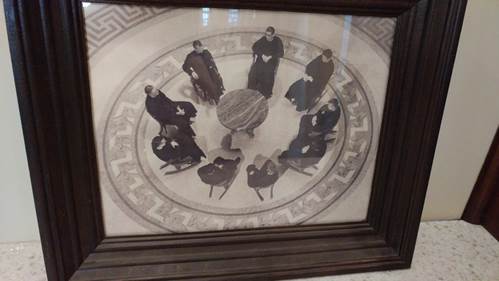
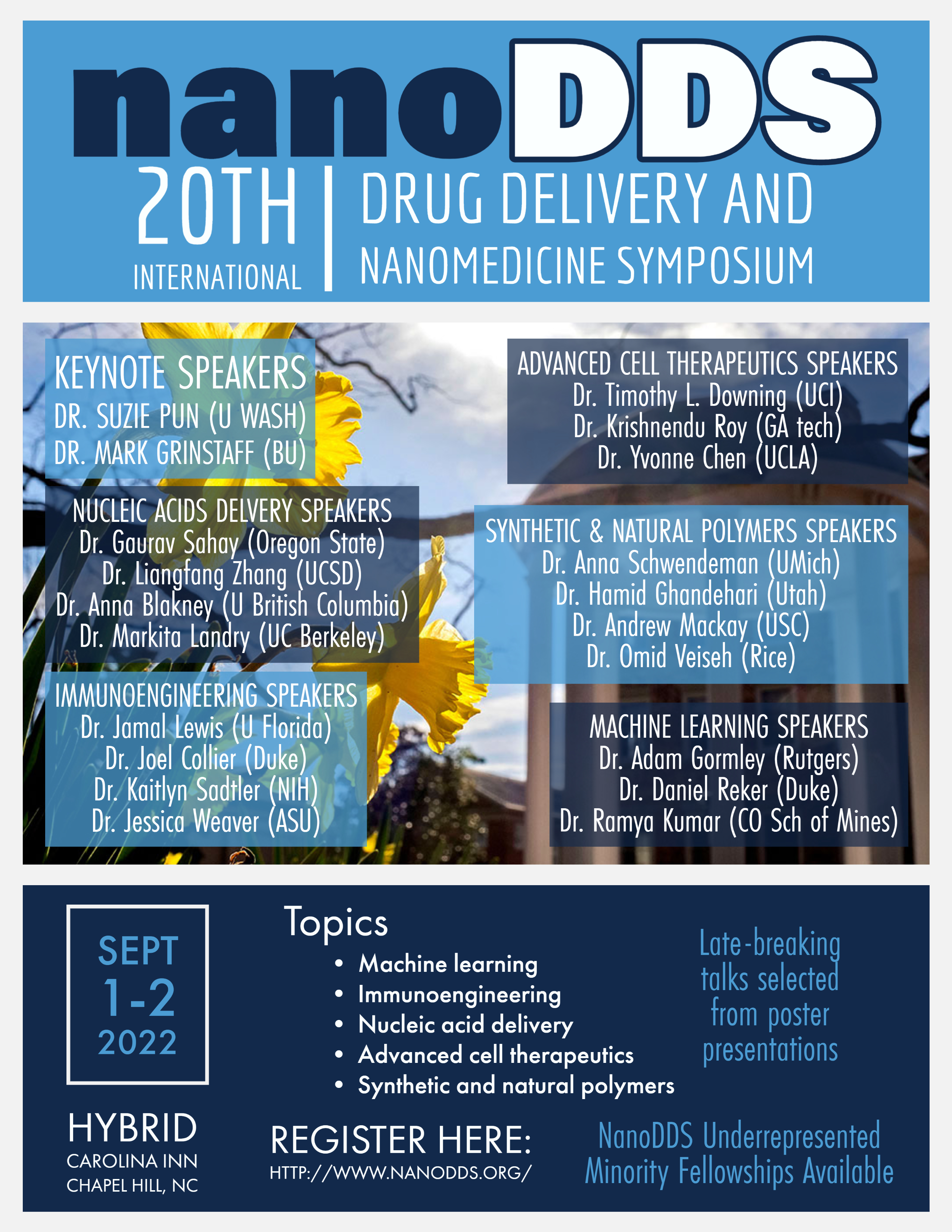
[cid:image001.jpg@01D87A7D.CB4A1440] (Historic picture from West Baden Atrium, French Lick, Indiana) BME MONDAY ROUNDTABLE JUNE 6, 2022 PROTECT PURDUE * Masks protocols changed as of March 14! Check for updates https://protect.purdue.edu/required-covid-19-protocols/ * Vaccines are strongly encouraged (though not required) https://protect.purdue.edu/vaccine-information/ * Updated guidance for research SOPs, etc. and Protect Purdue are coming quickly. Please make sure you are staying current with Purdue guidelines. UPCOMING IMPORTANT DATES Week of June 6 Wed., June 8: BME Summer Seminar Series Every Wednesday at 9:30 a.m. from June 1 - August 10th via Zoom: https://purdue-edu.zoom.us/j/92168739019?pwd=cnBOaFBxN3FWVVVTWC8wWWhaekdIdz09<https://purdue-edu.zoom.us/j/92168739019?pwd=cnBOaFBxN3FWVVVTWC8wWWhaekdIdz09#success> (Meeting ID: 921 6873 9019; Passcode: biomedical). June 8 speakers will be Awadh Al Hawwash and Worapat Sawatwong. Wed., June 8: BME PhD Preliminary Exam Announcement for Xiao Liu (E. Pienaar, advisor), 1:30 p.m., via Zoom: https://purdue-edu.zoom.us/j/97249087884?pwd=ZzBRL281cDZXblZPbTNWbU9WcjY2QT0... Title of presentation: "A Deep Understanding of Ebola Virus VLP Assembly: ODE-based Modeling Approach" Thurs., June 9: BRAG session, 2-3 p.m., MJIS 2001. Dr. Andrew Brightman, Professor of Engineering Practice in the Weldon School of Biomedical Engineering will hold a short presentation entitled "Whose Responsibility Is It? Taking a New Look at RCR Training and the Ethical Climate of Research Groups" followed by time for discussion/Q&A. This presentation will be relevant for future positions in both academia and industry. Upcoming important deadlines and info. Mon., June 13: Special Seminar hosted by Mechanical Engineering: "Mechanics-driven Extreme Manufacturing" by Baoxing Xu, Dept. of Mechanical and Aerospace Engineering, University of Virginia, Charlottesville, VA. 10:30 a.m. in ME 2054. Tues., June 14: BME PhD Preliminary Exam Announcement for Luke Schepers (C. Goergen and J. Tune, co-chairs), 2:00 p.m., MJIS 2001 and Online Zoom Link: https://purdue-edu.zoom.us/j/99677328231?pwd=NHFiL2xDcXFWZ2JGTkNXcEZra1JZQT0... Topic: Cardiovascular Volumetric Ultrasound for Disease Detection, Diagnosis, and Device Design Fri., June 17: Special seminar - The Weldon School of Biomedical Engineering and the Purdue Center for Cancer Research are co-hosting a special seminar by Dr. Namrata Gundiah, Professor of Mechanical Engineering at the Indian Institute of Science, Bangalore, on Friday, June 17 at 10:30 a.m. in MJIS 2001. The seminar is entitled "Cell adhesion strength and tractions are mechano-diagnostic features of cellular invasiveness." Fri., June 17: 8th Annual Diabetes Symposium (sponsored by the Indiana University School of Medicine's Center for Diabetes and Metabolic Diseases) registration and abstract submission deadline. Click here<https://redcap.uits.iu.edu/surveys/?s=X83RRWPAMHPL7MY7> for submission form. The Symposium will be held Friday, August 5 in Indianapolis. Tues., August 9: ALL summer grades (classes and all research students) are due before 5pm. Thurs., Sept. 1 - Fri., Sept. 2: Nanomedicine Drug Delivery Symposium (nanoDDS) hybrid meeting , at Carolina Inn, Chapel Hill, NC. Join scientists from academia and industry for lectures from distinguished speakers focused on drug delivery. Register today at this link.<https://apps2.research.unc.edu/events/index.cfm?event=events.go&key=B1B9> If you would like to submit an abstract, please submit it at this link<http://tinyurl.com/NanoDDS2022>. Details below. Committee Updates Academic Programs Update All summer grades (classes & all research students) are due before 5pm on Tuesday, August 9th Research Committee Update On May 25, Megan Sapp Nelson, Professor of Library Sciences and Associate Head of Information Studies, held a very informative session on "Understanding and Avoiding Predatory Journals." We have attached her powerpoint presentation and are including some other resources below for those who requested it. PPT: 2022BME_PredatoryJournals_20220525.pptx attached Purdue e-Pubs: https://docs.lib.purdue.edu Wiley Open Access details: https://guides.lib.purdue.edu/c.php?g=1115699&p=8875585 DEI Committee Update June is LGBTQ Pride Month and 2022 is the Purdue LGBTQ Center's 10th Anniversary<https://www.purdue.edu/lgbtq/events/tenth-anniversary.php>. Visit the center and learn about how to support your LGBTQ community colleagues on campus. Every Thursday from 11:30-12:30, they hold Queer Grad Coffee Hours in person at the Center in Schleman Hall Room 230. The LGBTQ Center Resources page has great information on Inclusive Teaching Practices and resources for LGBTQIA+ and Ally Faculty and Staff<https://www.purdue.edu/lgbtq/resources/faculty_staff.php>, Using Your Chosen Name at Purdue<https://www.purdue.edu/lgbtq/resources/chosen_name.php>, and includes Gender Inclusive restrooms<https://www.purdue.edu/lgbtq/resources/gender-inclusive_restrooms.php> on campus including MJIS 2097, as well as Local, State, and National resources<https://www.purdue.edu/lgbtq/resources/off-campus_resources.php>. Resources, attachments, further information BME Summer Seminar Series, Wed., June 8, 9:30 a.m. via Zoom: https://purdue-edu.zoom.us/j/92168739019?pwd=cnBOaFBxN3FWVVVTWC8wWWhaekdIdz0... Meeting ID: 921 6873 9019, Passcode: biomedical Evaluation links: Awadh Al Hawwash: https://purdue.ca1.qualtrics.com/jfe/form/SV_54KHkKA4gWNPP8O Worapat Sawatwong: https://purdue.ca1.qualtrics.com/jfe/form/SV_ePQ84UmokUO6W5o Characterization of Peripheral Motor Nerve Activation Using Sinusoidal Low Frequency Alternating Currents Awadh Al Hawwash (K. Yoshida / H. Lee, advisor) [cid:image002.jpg@01D87A7D.CB4A1440] Abstract: Electrical stimulation (ES) of peripheral nerves is an established therapeutic and rehabilitative technology to restore functional movements, and treat other neurological disorders. Historically, ES relied on the use of classical rectangular pulse stimulation. Although it provides an efficient means to activate nerve fibers, the activation is synchronous to the pulse, and generally activates nerve fibers within the nerve trunk in a non-physiological order. As a result, ES based muscle activation results in a rapid muscle fatigue. Recently, we reported that using a novel continuous sinusoidal Low Frequency Alternating Current (LFAC) waveform was able to activate autonomic nerve fibers and to elicit the Hering-Breuer reflex when presented at 5, 10, and 20 Hz in the swine animal model. Interestingly, the results suggest that LFAC might activate nerve fibers in the normal physiological order, and has a frequency dependency. Therefore, the present work describes the use of LFAC waveform to produce motor nerve activity that evoke muscle contractions. Acute in-vivo experiments were conducted where direct LFAC stimulation was applied to the sciatic nerve of anesthetized Sprague Dawley rats. LFAC waveforms were applied through bipolar cuff electrodes at frequency ranging from 1 to 20 Hz. The physiological responses to the LFAC waveform were quantified by measuring the electromyogram (EMG) and force output from the triceps surae muscle. Observed in the preliminary results were muscle responses to LFAC stimulation that were en masse phase locked to the sinusoidal cycle, but of two different modes: 1) A burst mode, and 2) A unitary mode of activation. LFAC activation threshold was not only frequency dependent, but also influenced by the geometry of the cuff electrodes. Our future work aims to characterize the muscle force fatigue rate and muscle type recruitment order to systematically explore the order of nerve fiber activation using LFAC. Effects of bone strain distribution on osteogenic transcriptome-level responses to two different loading modes Worapat Sawatwong (R. Main, advisor) [cid:image003.jpg@01D87A7D.CB4A1440] Abstract: Worapat Sawatwong1,2, and Russell P Main1,2 1Musculoskeletal Biology and Mechanics Lab, Department of Basic Medical Sciences, Purdue University, West Lafayette, IN, USA 2Weldon School of Biomedical Engineering, Purdue University, West Lafayette, IN, USA Mechanical loading is an effective stimulus to induce new bone formation and inhibit bone loss. Osteocytes (Ots) are recognized as the key regulator for sensing and transducing the mechanical signals and mediating new bone formation in response to mechanical loading. Among various in vivo loading models, bone appears to be more sensitive to non-physiological strain distribution compared to strains elicited during normal locomotion. However, the effect of tissue-level strain distribution on cellular function and activity of Ots remains unclear. This study aims to reveal the effects of strain distribution on the skeletal osteogenic response on gene expression. A pilot study of female C57BL/6 mice (n = 4) with strain gauges attached to the tibiae were subjected to the tibial axial compressive (AC, physiological) and medial-lateral cantilever-type (ML, non-physiological) loading to obtain load-strain calibrations. The AC model requires a relatively higher load (~7N) than the ML model (~2N) to generate the absolute strain magnitude of 1000 ** on the medial midshaft of the tibia. Gauge-attached tibiae were analyzed by finite element modeling for the whole-bone strain distribution. Our next step will be to acquire 15wk old C57Bl/6 mice to be subjected to either tibial AC and ML loading for five days (n=3/group). Tibiae will be dissected after loading and the cross-sectional (CS) surface of the tibial cortical bone will be collected by cryosection. Ots located at the posterior-lateral region of the CS surface, where they are exposed to distinct directions of strain in the two loading models, will be isolated by the laser capture microdissection (LCM). We will perform RNA-Seq on these Ots to analyze the transcriptome-level response influenced by strain distribution. The outcome of this study is essential for understanding mechanosensation and mechanotransduction at the Ot, which could contribute to better osteoporosis clinical intervention through mechanical stimulation or drug development. BME PhD Preliminary Exam Announcement for Xiao Liu (E. Pienaar, advisor), Wed., June 8,: 1:30 p.m., via Zoom: https://purdue-edu.zoom.us/j/97249087884?pwd=ZzBRL281cDZXblZPbTNWbU9WcjY2QT0... Title of presentation: "A Deep Understanding of Ebola Virus VLP Assembly: ODE-based Modeling Approach" Committee members: Elsje Pienaar (Chair), Robert V. Stahelin, Nan Kong, Leopold N. Green Abstract: Ebola virus (EBOV) infections continue to pose a global public health threat, with high mortality rates and sporadic outbreaks in Central and Western Africa. A quantitative understanding of the key processes in the EBOV life cycle could provide valuable insights to inform drug development. The study aims at building an ODE-based computational model to understand the dynamic of EBOV transcription, replication and assembly through viral protein interactions as well as viral-host interactions. The model starts with the matrix protein VP40, which is capable of producing virus-like particles (VLPs) that closely resembles EBOV virions. The real-time dynamic of VP40 oligomers and the role of host phosphatidylserine (PS) in the assembly and budding process is studied with the VP40 model. Then, the model will be used to evaluate the treatment efficiency of fendiline, a PS-targeted drug, on VLP production. After a well-established VP40 model, we will continue incorporating other viral proteins into the system to build the minigenome model. The model will include transcription, replication, nucleocapsid assembly and the complex interactions between viral proteins. We will explore the influence of each protein on minigenome transcription, replication and VLP production process with the model. Especially, we are interested in how relative concentration profile of each protein may affect the status of whole system. Our findings will advance the current understanding of EBOV life cycle and help in the development of EBOV disease treatments. Also, our study will contribute to the establishment of a computational way in viral study at sub-cellular level. BRAG session, Thurs., June 9, 2-3 p.m., MJIS 2001. Dr. Andrew Brightman, Professor of Engineering Practice in the Weldon School of Biomedical Engineering will hold a short presentation entitled "Whose Responsibility Is It? Taking a New Look at RCR Training and the Ethical Climate of Research Groups" followed by time for discussion/Q&A. This presentation will be relevant for future positions in both academia and industry. Recently the NIH published an updated guidance<https://grants.nih.gov/grants/guide/notice-files/NOT-OD-22-055.html> (Feb 2022) for instruction in responsible conduct of research (RCR) that included information about enhanced training strategies and recommendations for several additional topics. As well, several recent research studies (Resnik et al. 2021<https://www.tandfonline.com/doi/epub/10.1080/08989621.2021.1983799?needAccess=true>, Lass et al. 2022<https://www.tandfonline.com/doi/pdf/10.1080/08989621.2021.1910503>, Valeva et al. 2022<https://www.facetsjournal.com/doi/pdf/10.1139/facets-2021-0041>, etc.) have examined the ethics experiences of actual research groups and determined that there are elements missing from traditional RCR training related to power dynamics, diversity and inclusion in lab culture and climate. In this conversation about RCR and Ethical Lab Culture we will discuss some of these documents and add our own insights into what defines and encourages an ethical and responsible climate and conduct of research in biomedical engineering. Coffee, pastries and more will be available. Please RSVP to kejendal@purdue.edu<mailto:kejendal@purdue.edu> before June 8. BME Career Connect-Cook Companies Panelists: * Will Hoggatt, Development Engineer, Cook Biotech * Jim McMasters, Regulatory Scientist, Cook Research * Joe Obermiller, Senior R&D Engineer, MED Institute * Nan Winn, Supplier Quality Engineer, Cook Medical Date: Friday, June 10th Time: 2-3 pm Join Zoom Meeting: https://purdue-edu.zoom.us/j/99366887419?pwd=QngrbGlsVXVGakpjamdZR1F2THJvUT0... Meeting ID: 993 6688 7419 Passcode: Biomedical Special Seminar hosted by Mechanical Engineering, "Mechanics-driven Extreme Manufacturing" by Baoxing Xu, Dept. of Mechanical and Aerospace Engineering, University of Virginia, Charlottesville, VA. Mon., June 13, 10:30 a.m. in ME 2054. Abstract: Over the last few decades, manufacturing has evolved radically from its earliest forms, as labor-intensive exercise in craftsmanship, to a fully automated, information-rich digital process. This accelerating trend will continue to transform the means for creating products across lengthscales, from the mega-scale (e.g. buildings and bridges) to human-scale (e.g. furniture and cars) to the micro/nanoscale (e.g. integrated circuits and biomedical sensors). Meanwhile, the evergrowing demands of multifunctional structures in well-defined, often three-dimensional, layouts, together with the rapid emergence of new materials, will further call for innovative strategies and approaches to manufacturing with precisely-controlled, environmentally sustainable processes at low cost. At the root of manufacturing, its elementary steps rely critically on material/structural deformation and assembly, underpinned by mechanics. Understanding and utilizing principles of mechanics will not only lead to refinements of existing manufacturing techniques, but will also enable explorations of entirely new ones. In this talk, I will present two unusual manufacturing strategies. The first one is the transfer printing technology in a non-corrosive liquid environment for producing film-based functional structures and electronic devices, and the second one is the crumpling and assembly technology by droplet drying for printing deformable nanomaterials into bulk quantities with controllable structures. Both approaches are driven by mechanics of materials with strong couplings to liquid environments and stimuli means, termed as mechanics-driven extreme manufacturing (MEM), where the adjective "extreme" aims to highlight a central, driving role of mechanics in the origins of these two strategies. For each example, I will talk about the establishments of mechanics theories and their leading guidance to drive explorations of manufacturing approaches in detail and will also demonstrate their applications in manufacturing functional structures and electronics in a broad variety of materials and environments. Bio: Dr. Baoxing Xu is currently an associate Professor in the Department of Mechanical and Aerospace Engineering at The University of Virginia (UVA). He received his PhD in Mechanics and Materials from Columbia University in 2012 and was a Beckman Postdoctoral Fellow at the University of Illinois at Urbana-Champaign from 2012 to 2014. He joined the faculty of UVA in the fall of 2014 and was promoted to associate professor in 2020. Dr. Xu' s group research interests have been focused on mechanics-driven extreme design and manufacturing of functional materials, structures and devices, in particular, low-dimensional nanomaterials, liquid-porous structures, bioinspired stretchable devices and structures, soft-hard material integrated systems. He received the ONR-Young Investigator Award in 2020 and 2020 ASME- Sia Nemat-Nasser Early Career Award. BME PhD Preliminary Exam Announcement for Luke Schepers (C. Goergen and J. Tune, co-chairs), Tues., June 14, 2:00 p.m., MJIS 2001 and Online Zoom Link: https://purdue-edu.zoom.us/j/99677328231?pwd=NHFiL2xDcXFWZ2JGTkNXcEZra1JZQT0... Topic: Cardiovascular Volumetric Ultrasound for Disease Detection, Diagnosis, and Device Design Advisory Committee: Dr. Craig Goergen (Advisor, Co-chair), Dr. Johnathan Tune (Co-chair), Dr. Vitaliy Rayz, Dr. Andrew Otte Abstract: Cardiovascular disease (CVD) is the leading cause of death worldwide accounting for roughly 15 million deaths each year. While CVD mortality rates have continually decreased since the 1970's, the rate of decrease has slowed and may actually increase in coming years. A rise in comorbidities associated with CVD including obesity, diabetes, high blood pressure, and lifestyle risk factors are responsible for this reversal. Thus, it is predicted the number of patients requiring care for CVD will only continue to rise worldwide. This highlights the importance of innovation in CVD diagnosis and treatment as well as the need for better understanding of disease progression so new targeted therapies can be developed. In my studies, I utilize volumetric ultrasound to detect and diagnose CVD, determine cardiovascular function, and evaluate new treatment strategies. All studies are performed in murine disease models using a Vevo 3100 ultrasound system with high frequency, linear array, ultrasound transducers. High frequency transducers and respiratory/ECG gated volumetric ultrasound scanning provides high spatial resolution, volumetric images comparable to or surpassing other imaging modalities capabilities. Additionally, 3D and 4D ultrasound scans allow for more in-depth, accurate analysis compared to conventional 2D images that often rely on geometrical approximations. Here, I apply volumetric imaging and analysis techniques to study aortic dissection, myocardial infarction, and the effects of histone mutation on cardiac hypertrophy development. Special seminar - The Weldon School of Biomedical Engineering and the Purdue Center for Cancer Research are co-hosting a special seminar by Dr. Namrata Gundiah, Professor of Mechanical Engineering at the Indian Institute of Science, Bangalore, on Friday, June 17 at 10:30 a.m. in MJIS 2001. The seminar is entitled "Cell adhesion strength and tractions are mechano-diagnostic features of cellular invasiveness." Abstract: The adhesion of cells to substrates occurs via integrin clustering and binding to the actin cytoskeleton. Oncogenes modify anchorage-dependent mechanisms in cells during cancer progression. Experiments using a fluid shear device are useful to delineate differences in adhesion strengths between cancer cells, sort heterogeneous cell populations based on differential adhesions, and quantify the signaling mechanisms in adhesomes during cancer metastasis. We used a custom fluid shear device to measure the adhesion strengths of invasive, non-invasive, and control cells to substrates and quantified the cell tractions. Results from our experiments demonstrate the roles of cell areas, tractions and critical adhesion strengths in cellular adhesions to substrates. A theoretical model, incorporating stochasticity of cell adhesions to the substrate and population-level differences in cell sizes, was able to recapitulate the experimentally obtained detachment curves. We also explore the role of ligand types and coating density on cell adhesions to substrates. Through such studies, we demonstrate the ability to quantify the adhesive heterogeneity in cells. Correlations between the cell adhesion strengths and tractions with invasiveness potentials may be useful in cancer diagnostics and other pathologies featuring misregulation in adhesion. Speaker Bio: Namrata Gundiah is a Professor of Mechanical Engineering at the Indian Institute of Science, Bangalore. Her research interests are broadly in tissue mechanics of cardiovascular tissues and in cell mechanobiology. Prior to joining the Institute, she worked as a postdoctoral fellow at the University of California, San Francisco. She earned an M.S. and Ph.D. in Mechanical Engineering from the University of California, Berkeley. She has been awarded the Ramanujan Fellowship from the Government of India, and the Constance Tipper Silver Medal from the International Congress on Fracture. She is on the editorial board of Biomechanics and Modeling in Mechanobiology, and Frontiers: Cell Adhesion and Migration journals. She has an administrative role as Chair of the Research grants office at the Institute which she helped start. Please contact Deva Chan with any questions: chand@purdue.edu 8th Annual Diabetes Symposium (sponsored by the Indiana University School of Medicine's Center for Diabetes and Metabolic Diseases) registration and abstract submission deadline is Fri., June 17. Click here<https://redcap.uits.iu.edu/surveys/?s=X83RRWPAMHPL7MY7> for submission form. Registration is free and includes presentations, poster session, breakfast and lunch. The Symposium will be held Friday, August 5 in the Joseph E. Walther Hall, 980 W. Walnut Street, Indianapolis, IN and the poster session will be in the Atrium of the Van Nuys Medical Science Building. The Annual Diabetes Symposium of the Center for Diabetes and Metabolic Diseases presents unique opportunities to learn from nationally recognized experts, discuss the recent scientific breakthroughs and forge relationships with potential collaborators. After two years of a virtual Symposium, in 2022 we are back to our traditional in-person one-day format! Since we started planning this year's Symposium, we lost Dr. Peter Roach, co-director of the Enrichment Core of our Diabetes Center. His loss is deeply felt. He was a strong advocate of the Enrichment Core activities and his suggestions and input in the organization of the Symposium were immensely valuable. The Symposium Organizing Committee continues to work to hold a Symposium of the excellence he would have strived to have. As usual, there will be presentations by two Keynote Speakers - Jane EB Reusch, MD and James D. Johnson, PhD - as well as presentations by local faculty. In addition, by request from past Symposium participants, the 2022 Symposium agenda will incorporate a new session, the Oral Abstract Presentations by trainees. Please check the General Information and Preliminary Agenda document for details and how to participate. There will be four simultaneous sessions that will include 4-5 presentations based on topic. Topics are listed in the abstract submission form, and the category can be selected from the list during submission. For those who do not wish to present orally, abstracts can also be submitted to be presented as posters. We would like to encourage all trainees to submit an abstract. The main goal is to discuss your project and ideas and get feedback from colleagues. Any existing data is welcome, even if the study has just started and/or is incomplete. All trainees are also invited to join one of the Keynote Speakers for breakfast. This is a great opportunity to discuss your science, and we anticipate that you will enjoy interacting with these outstanding researchers. Please let us know if you are interested in participating in this activity when you register and select the speaker you would like to talk to. Stay tuned for more information on the agenda. Please note that access to sessions will be limited to official registrants of the Symposium. We hope that you will join us, share your research, and make this year's Symposium a very exciting one! [ABRCMS]<http://asmusa.informz.net/z/cjUucD9taT0yNDg3MTQwJnA9MSZ1PTUxODk2NDU0OSZsaT0yNTA4NjkyNA/index.html> Share Your Expertise! The Annual Biomedical Research Conference for Minoritized Scientists (ABRCMS)<http://asmusa.informz.net/z/cjUucD9taT0yNDg3MTQwJnA9MSZ1PTUxODk2NDU0OSZsaT0yNTA4NjkyNQ/index.html> is a go-to conference for underrepresented groups in STEM fields. Last year, ABRCMS, held virtually, brought together more than 4,000 of the best and brightest scientists for four days of innovative scientific content, informative professional development sessions, and meaningful networking opportunities. Now, here's your chance to contribute to ABRCMS 2022 - the first in-person conference since 2019! Choose to submit a scientific or professional development session proposal that will engage, educate and empower the ABRCMS community: * Do you have new or exciting research to share? A scientific session proposal could be for you! Share your in-depth insights in one of 12 scientific disciplines<http://asmusa.informz.net/z/cjUucD9taT0yNDg3MTQwJnA9MSZ1PTUxODk2NDU0OSZsaT0yNTA4NjkyNg/index.html> to a diverse audience and strengthen their knowledge of applying specific methodologies and strategies in STEM. * What's your STEM story? Inspire your audience with a professional development proposal! Share your unique perspective on pursuing advanced training and a career in the biomedical and behavioral sciences, or provide tangible takeaways that will help further the audience's educational, personal and professional trajectories. Don't miss your opportunity to join us November 9-12 in Anaheim, Calif., and add your name to the list of established scientists who have shared their work at ABRCMS. Submission Deadline: July 29, 11:59 p.m. PDT Submit a Session Proposal <http://asmusa.informz.net/z/cjUucD9taT0yNDg3MTQwJnA9MSZ1PTUxODk2NDU0OSZsaT0yNTA4NjkyNw/index.html> Questions? Contact abrcms@asmusa.org<mailto:abrcms@asmusa.org> Don't Forget! Abstract submission is now open<http://asmusa.informz.net/z/cjUucD9taT0yNDg3MTQwJnA9MSZ1PTUxODk2NDU0OSZsaT0yNTA4NjkzMA/index.html>! Spread the word and let your students know about this opportunity to present their science to a national audience. The deadline for abstract submissions is September 9 The Nanomedicine Drug Delivery Symposium (nanoDDS) organizing committee (Co-Chairs: Drs. Kristy Ainslie, Juliane Nguyen, Yevgeny Brudno and Owen Fenton) invites you to attend a hybrid meeting September 1-2, 2022, at Carolina Inn, Chapel Hill, NC. Join scientists from academia and industry for lectures from distinguished speakers focused on drug delivery. Register today at this link.<https://apps2.research.unc.edu/events/index.cfm?event=events.go&key=B1B9> If you would like to submit an abstract, please submit it at this link<http://tinyurl.com/NanoDDS2022>. There will be a poster session in which late breaking talks will be selected for podium presentations. Additionally, fellowships are available for underrepresented individuals. Attendees can look forward to discussions on the following topics: * Machine learning * Immunoengineering * Nucleic acid delivery * Advanced cell therapeutics * Synthetic and natural polymers Who should attend? Pharmaceutical industry scientists, graduate students, and scientists in academia who are interested in learning about the potential solutions nanotechnology and drug delivery can offer and other exciting topics. The NanoDDS series was founded in 2003 by Dr. Alexander Kabanov and Dr. Kazunori Kataoka. Since then, NanoDDS has been held annually in different locations in North America, providing students, postdocs, and faculty exposure to the most recent developments and advancements in drug delivery. Visit our website<http://www.nanodds.org/> for more information about this symposium and past symposiums. Please feel free to share the attached flyer. For students, postdocs, and faculty who cannot attend in person, we have an option to attend the entire conference live, remotely via Zoom for $95 (https://apps2.research.unc.edu/events/index.cfm?event=events.go&key=B1B9). Sincerely, Kristy M. Ainslie, PhD (she/hers) Fred Eshelman Distinguished Professor and Chair Division Pharmacoengineering & Molecular Pharmaceutics UNC Eshelman School of Pharmacy 4012 Marsico Hall - 125 Mason Farm Rd - Chapel Hill, NC 27599 Ph: 919-962-4556 http://ainslielab.web.unc.edu<http://ainslielab.web.unc.edu/> Tweet: @AinslieLab<https://twitter.com/AinslieLab> Insta: @Ainslie_Lab<https://www.instagram.com/ainslie_lab> Attachments Summer Seminar Flyer3 NanoDDS UNC 2002 General information and Preliminary Agenda Guidelines for Writing an Abstract-Diabetes Symposium 2022BME_PredatoryJournals_20220525.pptx -- Bmeroundtable-list mailing list Bmeroundtable-list@ecn.purdue.edu https://engineering.purdue.edu/ECN/mailman/listinfo/bmeroundtable-list

participants (1)
-
 Gelfand, Johanna K