[Bmeroundtable-list] Weekly BME Roundtable

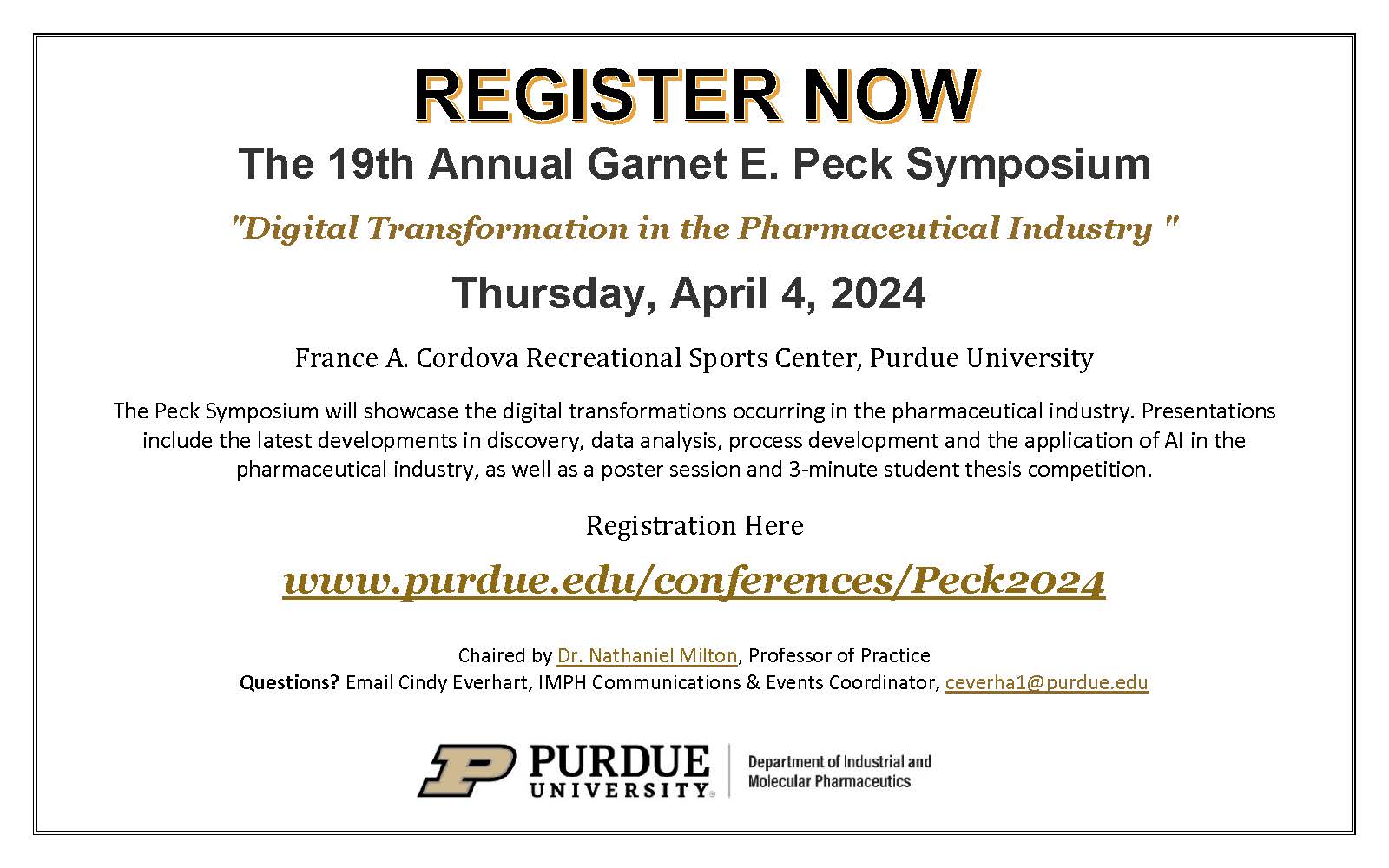
[cid:image001.jpg@01DA4934.556E25E0] BME WEEKLY ROUNDTABLE January 16, 2024 INTERIM HEAD'S NOTE I hope you all had a somewhat recharging weekend after the first week of the semester which is usually one of the busiest ones. I also hope you all had a safe weekend while enduring the excruciating cold due to the arctic blast over the weekend. Finally, for some of you, I hope you did not get much affected by yesterday's closure of the ARMS building. * Thank you for those who took time over the weekend to submit your evaluations on the courtesy and adjunct appointment applications. Getting accountable and collaborative appointees with outstanding academic track record and/or supplementary expertise to our core faculty is essential to our success. I would like to make the process as formal as possible to show our sincerity. So more to come on this We will also look more into relevant issues at the policy level in the coming months. * Over the weekend, we have gotten a few current IUPUI BME faculty to sign their offer letters. The final acceptance deadline is this coming Friday. We shall have good clarity next week and welcome them formally in our next faculty meeting. * Here is another reminder on promoting the excellence of the school. Here are present opportunities: * The nominations for the Purdue Engineering 38 by 38<https://engineering.purdue.edu/Engr/People/Awards/Institutional/38-38> awards are due January 31. * The 2024 Distinguished Purdue Alumni Scholars award (formally called Distinguished Women Scholars). Nomination criteria and details of the documents needed for the nomination packet are in the attached PDF. The deadline for submission of nomination packets is 5 p.m. on Thursday, February 1, 2024. * Two mid-career faculty candidates through the dream hire mechanism will come to visit us. Their seminars will be on 1/22 and 1/29 at 9:30 - 10:30 am. Jo has contacted some of you for individual meetings. More information can be found below. Thank you! * Please note that suggesting names is always open to you. Given the history of the school and the field, the college has been fine with us recommending star players at their mid-career and with the associate rank, as long as they are leading the fields. * As I said, I personally would like to promote the recognition of our students and the opportunities for that sake. Here is one kind reminder. * Call for Nominations | 2024 Graduate School Mentoring Award for Graduate Students. The Graduate School wants to acknowledge graduate students' essential role in our research, teaching, and engagement missions at Purdue through their mentoring work. For more information, please refer to an email you received Wednesday morning. UPCOMING IMPORTANT DATES Week of January 15 Tues., Jan. 16: Environmental and Ecological Engineering Research Seminar, 10:30 a.m., POTR 234 (Fu Room). Ajay Maishe, PhD, R. Eugene and Susie E. Goodson Distinguished Professor of Mechanical Engineering, will present "Understanding Frugal Engineering for Equity: Exploring Convergence of Biological Designs and Social Innovations." Tues., Jan. 16: Seminars in Hearing Research, 3:30 p.m., LYLE 1150. David Eddins, PhD, CCC-A, Professor, School of Communication Sciences and Disorders and Director, Communication Technologies Research Center, University of Central Florida will present "A Novel Treatment for Hyperacusis: Basic Science, Technology and Counseling." Wed., Jan. 17: BME Distinguished Seminar Series, 9:30 a.m., MRGN 121 or via Zoom. Estelle Park, Assistant Professor of Biomedical Engineering, Purdue University, will present "Engineering Stem Cells and Organoids on a Chip for the Study of Human Health and Disease." Thurs., Jan. 18: Seminars in Hearing Research, 12:00 noon, LYLE 1160. Miranda Cullins, PhD will present "Neuromuscular mechanisms of oral-motor deficits and recovery after stroke." Virtual Workshop Series on Mastering Grant Writing Tommy Sors, Director of Scientific Strategy and Relations, invites you to elevate your research potential by registering to be part of our exclusive workshop series, meticulously designed to guide you through the competitive landscape of NIH funding and the art of grant writing. Each session builds on the next, so you want to make sure to catch all sessions because they offer the knowledge and tools to craft winning proposals. Sessions ran on Thursdays from 2:00-3:00 p.m. November 30 - December 14 and will continue Tuesdays 10:00-11:00 a.m. January 9-Feb. 13. Register at https://purdue.ca1.qualtrics.com/ife/form/SV_01WMuhATStggQOW<https://nam04.safelinks.protection.outlook.com/?url=https%3A%2F%2Fpurdue.ca1.qualtrics.com%2Fife%2Fform%2FSV_01WMuhATStggQOW&data=05%7C02%7Cbmeroundtable-list%40ecn.purdue.edu%7C27dad180b4804c1b03c408dc1775619d%7C4130bd397c53419cb1e58758d6d63f21%7C0%7C0%7C638411040141507247%7CUnknown%7CTWFpbGZsb3d8eyJWIjoiMC4wLjAwMDAiLCJQIjoiV2luMzIiLCJBTiI6Ik1haWwiLCJXVCI6Mn0%3D%7C3000%7C%7C%7C&sdata=gelYNFxniAaQPd8vNdGIuW%2F4FgWraWnPlJvKRmSmE4I%3D&reserved=0> NIH Office of Intramural Training & Education RAISING A RESILIENT SCIENTIST Series The NIH OITE is pleased to offer the RAISING A RESILIENT SCIENTIST <https://nam04.safelinks.protection.outlook.com/?url=https%3A%2F%2Fwww.training.nih.gov%2Fraising-a-resilient-scientist%2F&data=05%7C02%7Cbmeroundtable-list%40ecn.purdue.edu%7C27dad180b4804c1b03c408dc1775619d%7C4130bd397c53419cb1e58758d6d63f21%7C0%7C0%7C638411040141507247%7CUnknown%7CTWFpbGZsb3d8eyJWIjoiMC4wLjAwMDAiLCJQIjoiV2luMzIiLCJBTiI6Ik1haWwiLCJXVCI6Mn0%3D%7C3000%7C%7C%7C&sdata=KMBrTS2GR4%2B8A%2FY8WQFOBQpWin9I56TgoMFVw6Ht4EM%3D&reserved=0> (RRS) series for faculty, staff scientists, and administrators who mentor students and postdoctoral fellows in the biomedical, behavioral, and social sciences. A variety of topics will be covered with a specific focus on communication and shared problem-solving to help trainees deal with the inevitable setbacks experienced in high knowledge environments. The goal of the Raising a Resilient Scientist series is to promote the mental health and well-being of the academic research community by supporting faculty and administrators to develop self-management, relationship-management, and mentoring skills. There will be five units in the series and start on February 1st, 2024; each unit will consist of a 75-minute lecture followed by a 1-hour facilitated discussion with peers. Previous participants found participation very valuable, and the tools presented practical and actionable. Here is what those who participated in series have to say: * "Informative workshop that I think all faculty should be required to attend. Making this a requirement for mentoring teams for fellowship and training grants would be a great approach! They need to be invested in mentoring and training, as much as training fellows." * "Thank you! I've done a lot of mentoring workshops/training but feel like this one is already taking things to another level." * "This course needs to be offered again and again, such an important resource in any academic curriculum." There is no charge for participation, but advanced registration is required. For more information, and to register, please visit our webpage<https://nam04.safelinks.protection.outlook.com/?url=https%3A%2F%2Fwww.training.nih.gov%2Fraising-a-resilient-scientist%2F&data=05%7C02%7Cbmeroundtable-list%40ecn.purdue.edu%7C27dad180b4804c1b03c408dc1775619d%7C4130bd397c53419cb1e58758d6d63f21%7C0%7C0%7C638411040141507247%7CUnknown%7CTWFpbGZsb3d8eyJWIjoiMC4wLjAwMDAiLCJQIjoiV2luMzIiLCJBTiI6Ik1haWwiLCJXVCI6Mn0%3D%7C3000%7C%7C%7C&sdata=KMBrTS2GR4%2B8A%2FY8WQFOBQpWin9I56TgoMFVw6Ht4EM%3D&reserved=0>. Participation in the entire series is recommended but is not required. Please do not hesitate to email us if you have any questions. Best regards, Your OITE Resilience Team ~~~~~~~~~~~~~~~~~~~~~~~~~~~~~~~~~~ Ulrike Klenke, PhD [C] (she/her/hers) Director, OITE Resilience Programs Coordinator, OITE Wellbeing Services Program Manager, Office of Postdoctoral Services Office of Intramural Training & Education National Institutes of Health Building 2, Room 2E14 Bethesda, MD 20892 Phone: 301-496-7173 FAX: 301-594-9606 email: klenkee@mail.nih.gov<mailto:klenkee@mail.nih.gov> https://www.training.nih.gov<https://nam04.safelinks.protection.outlook.com/?url=https%3A%2F%2Fwww.training.nih.gov%2F&data=05%7C02%7Cbmeroundtable-list%40ecn.purdue.edu%7C27dad180b4804c1b03c408dc1775619d%7C4130bd397c53419cb1e58758d6d63f21%7C0%7C0%7C638411040141507247%7CUnknown%7CTWFpbGZsb3d8eyJWIjoiMC4wLjAwMDAiLCJQIjoiV2luMzIiLCJBTiI6Ik1haWwiLCJXVCI6Mn0%3D%7C3000%7C%7C%7C&sdata=JvJUXFaHwPe3RD59jQBUQLHarkBeWpIE1%2Bghde6uxDI%3D&reserved=0> ~~~~~ NIH Office of Intramural Training & Education - https://www.training.nih.gov<https://nam04.safelinks.protection.outlook.com/?url=https%3A%2F%2Fwww.training.nih.gov%2F&data=05%7C02%7Cbmeroundtable-list%40ecn.purdue.edu%7C27dad180b4804c1b03c408dc1775619d%7C4130bd397c53419cb1e58758d6d63f21%7C0%7C0%7C638411040141507247%7CUnknown%7CTWFpbGZsb3d8eyJWIjoiMC4wLjAwMDAiLCJQIjoiV2luMzIiLCJBTiI6Ik1haWwiLCJXVCI6Mn0%3D%7C3000%7C%7C%7C&sdata=JvJUXFaHwPe3RD59jQBUQLHarkBeWpIE1%2Bghde6uxDI%3D&reserved=0> Upcoming Events - https://www.training.nih.gov/events/upcoming<https://nam04.safelinks.protection.outlook.com/?url=https%3A%2F%2Fwww.training.nih.gov%2Fevents%2Fupcoming&data=05%7C02%7Cbmeroundtable-list%40ecn.purdue.edu%7C27dad180b4804c1b03c408dc1775619d%7C4130bd397c53419cb1e58758d6d63f21%7C0%7C0%7C638411040141663471%7CUnknown%7CTWFpbGZsb3d8eyJWIjoiMC4wLjAwMDAiLCJQIjoiV2luMzIiLCJBTiI6Ik1haWwiLCJXVCI6Mn0%3D%7C3000%7C%7C%7C&sdata=5g2V4MvP3w1xNSCI%2BelIqelSyEBE2gMBHrcojeGzArQ%3D&reserved=0> Career Services Advice and Appointments - https://www.training.nih.gov/career_services<https://nam04.safelinks.protection.outlook.com/?url=https%3A%2F%2Fwww.training.nih.gov%2Fcareer_services&data=05%7C02%7Cbmeroundtable-list%40ecn.purdue.edu%7C27dad180b4804c1b03c408dc1775619d%7C4130bd397c53419cb1e58758d6d63f21%7C0%7C0%7C638411040141663471%7CUnknown%7CTWFpbGZsb3d8eyJWIjoiMC4wLjAwMDAiLCJQIjoiV2luMzIiLCJBTiI6Ik1haWwiLCJXVCI6Mn0%3D%7C3000%7C%7C%7C&sdata=lCD9gaz5SFCcs14rl540WQ%2FsuVHbkuqC42W427f6dU4%3D&reserved=0> NIH Alumni Database, Explore for your career options & Register as you leave - https://www.training.nih.gov/alumni/register<https://nam04.safelinks.protection.outlook.com/?url=https%3A%2F%2Fwww.training.nih.gov%2Falumni%2Fregister&data=05%7C02%7Cbmeroundtable-list%40ecn.purdue.edu%7C27dad180b4804c1b03c408dc1775619d%7C4130bd397c53419cb1e58758d6d63f21%7C0%7C0%7C638411040141663471%7CUnknown%7CTWFpbGZsb3d8eyJWIjoiMC4wLjAwMDAiLCJQIjoiV2luMzIiLCJBTiI6Ik1haWwiLCJXVCI6Mn0%3D%7C3000%7C%7C%7C&sdata=KZhQe3tbc2JowyzoRYfVXTdX8xpgkpNetw1vmjXJun0%3D&reserved=0> ACADEMIC PROGRAMS UPDATE Faculty, did you know there's a quick and easy way to record and post your lectures? If not, look into BoilerCast. Students may view the BoilerCast recordings in the Kaltura Media Gallery of their enrolled courses. This service is available in all centrally scheduled classrooms and includes all of the MJIS classrooms (MJIS 1001, 1083 & 1097). For more information check out the link here: https://it.purdue.edu/facilities/classrooms/boilercast.php Quick note... the capture only includes what is presented from the podium (not any notes you may be making on an I-pad, etc.). GRADUATE PROGRAM UPDATE Upcoming important deadlines and information Mon., Jan. 22: BME Special Seminar, 9:30 a.m., MJIS 2001. Behzad Sharif, PhD, Associate Professor of Medicine & Lilly Endowment INCITE Scholar; Director, Cardiovascular MRI Research; Director, Cardiovascular Imaging Research Core; Krannert Cardiovascular Research Center, IU School of Medicine, Indianapolis will present "Innovations in translational cardiovascular MRI: Towards "intelligent MRI" with automatic data analysis enabling gold-standard diagnostic procedures." Mon., Jan. 22: BME PhD Preliminary Exam Announcement for Hammad F. Khan (K. Jayant and T. Kinzer-Ursem, co-advisors). Everyone is invited to attend the public presentation beginning at 10:30 a.m. in DLR 221. TITLE: Inter-Areal Circuit Mechanisms Underlying Volitional Motor Movements. Mon., Jan. 22: Center for Diabetes and Metabolic Diseases Research Seminar Series, 12:00 p.m., R4-101 (Indianapolis) and via Zoom. Ashley Webb, PhD, Associate Professor at the Buck Institute for Research on Aging will present "Genetic and epigenetic mechanisms of brain aging and neurodegeneration." Zoom link: https://iu.zoom.us/j/87501979533<https://nam04.safelinks.protection.outlook.com/?url=https%3A%2F%2Fiu.zoom.us%2Fj%2F87501979533&data=05%7C02%7Cbmeroundtable-list%40ecn.purdue.edu%7C27dad180b4804c1b03c408dc1775619d%7C4130bd397c53419cb1e58758d6d63f21%7C0%7C0%7C638411040141663471%7CUnknown%7CTWFpbGZsb3d8eyJWIjoiMC4wLjAwMDAiLCJQIjoiV2luMzIiLCJBTiI6Ik1haWwiLCJXVCI6Mn0%3D%7C3000%7C%7C%7C&sdata=gSitdWhJvv5Et9Lyr%2FLKR9zcsJBcn9lHcmtaJH%2Fj2D8%3D&reserved=0> This seminar series is sponsored by the Indiana University School of Medicine. Tues., Jan. 23: Purdue Engineering Distinguished Lecture Series. 3:00 p.m., ARMS Atrium. Yannis C. Yortsos, Dean of Viterbi School of Engineering, Zohrab Kaprielian Dean's Chair in Engineering, University of Southern California will present "The Intertwining of Engineering with Social Phenomena." This seminar is hosted by the College of Engineering, and Davidson School of Chemical Engineering. Register at bit.ly/pedls-yortsos The lecture will be followed by a panel discussion from 4-5:00 p.m. in the ARMS Atrium. Wed., Jan. 24: BME Distinguished Seminar Series, 9:30 a.m., MRGN 121 or via Zoom. Fiona Kolbinger, Research Assistant Professor of Biomedical Engineering at Purdue will present "Artificial Intelligence in Medicine - From Concepts to Clinical Translation." Thurs., Jan. 25: Seminars in Hearing Research, 12:00 p.m., LYLE 1160. Chuchu Li, PhD, will present "Juggling two languages in one mind - The mechanisms of bilingual language control and its clinical implications." Mon., Jan. 29: BME Special Seminar, 9:30 a.m., MJIS 2001. Jessica Oakes, Associate Professor of Bioengineering, Northeastern University will present "Respirable Particles in the Lung: From Diseases Caused from Wildland Fire Smoke and E-cigarettes to Effective Treatment Strategies." Wed., Jan. 31: BME Distinguished Seminar Series, 9:30 a.m., MRGN 121 and via Zoom. Cherie Stabler, PhD, Professor and Department Chair, J. Crayton Pruitt Family & UF Foundation Preeminence Professor, Department of Biomedical Engineering, University of Florida will present "Engineering biomaterials for improving cell therapy in Type 1 Diabetes." Wed., Feb. 21: Purdue Engineering Distinguished Lecture Series. Russell Allgor, Vice President and Chief Scientist, Worlwide Operations at Amazon.com will present "Logistics and Fulfillment Systems for E-Commerce." This seminar is hosted by the College of Engineering, and School of Industrial Engineering. Register at bit.ly/pedls-allgor Fri., March 1: Indiana Human-Centered Design for Health Seminar Series, 12:00 p.m. via Zoom. Lean about research and best practices in HCD and health, promote the diverse HCD expertise in Indiana, and build a community of HCD researchers and practitioners focused on health, in Indiana and beyond. The speaker will be Andrew Miller, Associate Professor and Chair, Department of Hunan-Centered Computing, IUPUI. Register and learn about upcoming seminars at healthtechquitylab.org/hcd-seminar Wed., March 6: Purdue Engineering Distinguished Lecture Series. Karen Willcox, Director, Oden Institute for Computational Engineering and Sciences, Associate Vice President for Research, and Professor of Aerospace Engineering and Engineering Mechanics, The University of Texas at Austin will present "From Reduced-Order Modeling to Scientific Machine Learning: How Computational Science is Enabling the Design of Next-Generation Engineering Systems." This seminar is hosted by the College of Engineering, and School of Mechanical Engineering. Register at bit.ly/pedls-willcox Thurs., April 4: 19th Annual Garnet E. Peck Symposium, France A. Cordova Recreational Sports Center. Registration now open: www.purdue.edu/conferences/Peck2024<http://www.purdue.edu/conferences/Peck2024> . The Peck Symposium will showcase the digital transformations occurring in the pharmaceutical industry. Presentations include the latest developments in discovery, data analysis, process development and the application of AI in the pharmaceutical industry, as well as a poster session and 3-minute student thesis competition. Chaired by Dr. Nathaniel Milton, Professor of Practice. Questions? Email Cindy Everhart, IMPH Communications & Events Coordinator, ceverha1@purdue.edu<mailto:ceverha1@purdue.edu> Wed., April 10: Purdue Engineering Distinguished Lecture Series. Jeffrey Dean, Google Senior Fellow and SVP of Google Research and Google Health, Google Research will present "Machine Learning, AI and Applications of AI." This seminar is hosted by the College of Engineering, and Elmore Family School of Electrical and Computer Engineering. Register at bit.ly/pedls-dean Fri., June 7: Indiana Human-Centered Design for Health Seminar Series, 12:00 p.m. via Zoom. Lean about research and best practices in HCD and health, promote the diverse HCD expertise in Indiana, and build a community of HCD researchers and practitioners focused on health, in Indiana and beyond. The speaker will be Youngbok Hon, Professor, Herron School of Art and Design, IUPUI. Register and learn about upcoming seminars at healthtechquitylab.org/hcd-seminar Resources and further information Tues., Jan. 16: Environmental and Ecological Engineering Research Seminar, 10:30 a.m., POTR 234 (Fu Room). Ajay Maishe, PhD, R. Eugene and Susie E. Goodson Distinguished Professor of Mechanical Engineering, will present "Understanding Frugal Engineering for Equity: Exploring Convergence of Biological Designs and Social Innovations." Abstract: Multiple global trends and drivers have resulted in a steep escalation of tech-socio-economic inequities in basic human needs across industrialized as well as industrializing nations. This escalation is paralleled by the growing trend of novel and simple frugal innovations for meeting basic human needs, which are applied across various communities in the world towards bridging gaps of inequity. Frugality in this context is defined as minimizing the use of capital resources while delivering effective manufacturing product outcomes. It is noteworthy that frugal innovations are abundantly observed in the biological designs in nature. This presentation is aimed at understanding the methodology of frugal engineering behind the resulting frugal manufacturing innovations through discovering the cross-section of frameworks of biological designs in nature and equitable social innovations. The speaker has applied the framework of biological designs as these designs are observed to deliver multifunctionality, resilience, and sustainability, which are key to a frugal and equitable innovation platform and achieved by the frugal engineering process. As water is one of the most basic human needs, this presentation (based on the speaker's paper*) uses water as an illustrative example to understand the frugal engineering process. The authors discuss designs in nature from cactus, tree roots, and human skin, and design parallels in related frugal innovations namely in fog-capturing nets, ice stupa, and Zeer (pot-in-a-pot), respectively, for equitable water access. The authors proposed and discuss a resulting methodology for frugal engineering. This methodology can be utilized as a starting point for developing case-specific socially conscious manufacturing solutions. *Ref: Journal of Manufacturing Science and Engineering, May 2023, Vol. 145 / 050801-1 Tues., Jan. 16: Seminars in Hearing Research, 3:30 p.m., LYLE 1150. David Eddins, PhD, CCC-A, Professor, School of Communication Sciences and Disorders and Director, Communication Technologies Research Center, University of Central Florida will present "A Novel Treatment for Hyperacusis: Basic Science, Technology and Counseling." Abstract: Patients with moderate to severe hyperacusis, an abnormal sensitivity to the loudness of everyday sounds, present a unique clinical challenge. Hyperacusis frequently is debilitating and life-altering, with patients engaged in self-treatment that involves limiting potential exposure to offending sounds through a combination of situational avoidance and use of hearing protection devices. They often present for assessment wearing earplugs, earmuffs, or both. Unfortunately, chronic use of earplugs exacerbates the condition. The adverse impact of this partial sound deprivation in mature adults induces hyper-sensitivity to high-level sounds, as measured using psychoacoustic, electroacoustic, and electrophysiological methods. The clinical challenge, therefore, is to eliminate the use of counter-productive hearing protection devices and introduce effective treatment. In this seminar, a novel treatment that overcomes these challenges using a combination of technology, precision audiology, and proven counseling methods will be presented along with the underlying scientific principles. Results from initial evaluation of the treatment indicate remarkable success based on objective and subjective outcomes. This year's SHRP schedule is available here: https://purdue.edu/TPAN/hearing/shrp_schedule<https://nam04.safelinks.protection.outlook.com/?url=http%3A%2F%2Fogww.mj.am%2Flnk%2FAU8AAEukm7AAAchk2HAAALFJlZgAAYCsFQMAnDnUAATD7ABh_T90ybQipdUVQZ20y9CAzjYFPgAEkSo%2F5%2FVzPUtXKo0Dowllp_TK_BrQ%2FaHR0cHM6Ly9wdXJkdWUuZWR1L1RQQU4vaGVhcmluZy9zaHJwX3NjaGVkdWxl&data=05%7C02%7Cbmeroundtable-list%40ecn.purdue.edu%7C27dad180b4804c1b03c408dc1775619d%7C4130bd397c53419cb1e58758d6d63f21%7C0%7C0%7C638411040141663471%7CUnknown%7CTWFpbGZsb3d8eyJWIjoiMC4wLjAwMDAiLCJQIjoiV2luMzIiLCJBTiI6Ik1haWwiLCJXVCI6Mn0%3D%7C3000%7C%7C%7C&sdata=tzkTZWdaNFfFKWUnU82OGwet9nzlTBc3AXxuybjikG0%3D&reserved=0> Titles and abstracts of all SHRP talks are here: https://purdue.edu/TPAN/hearing/shrp_abstracts<https://nam04.safelinks.protection.outlook.com/?url=http%3A%2F%2Fogww.mj.am%2Flnk%2FAU8AAEukm7AAAchk2HAAALFJlZgAAYCsFQMAnDnUAATD7ABh_T90ybQipdUVQZ20y9CAzjYFPgAEkSo%2F6%2Fa2vUEcd_J6SQbZdR8Ley5Q%2FaHR0cHM6Ly9wdXJkdWUuZWR1L1RQQU4vaGVhcmluZy9zaHJwX2Fic3RyYWN0cw&data=05%7C02%7Cbmeroundtable-list%40ecn.purdue.edu%7C27dad180b4804c1b03c408dc1775619d%7C4130bd397c53419cb1e58758d6d63f21%7C0%7C0%7C638411040141663471%7CUnknown%7CTWFpbGZsb3d8eyJWIjoiMC4wLjAwMDAiLCJQIjoiV2luMzIiLCJBTiI6Ik1haWwiLCJXVCI6Mn0%3D%7C3000%7C%7C%7C&sdata=ETSlMU6Xqf0nkpFyubDAfSz95YpU620BE%2BRumaUM0Is%3D&reserved=0> Wed., Jan. 17: BME Distinguished Seminar Series, 9:30 a.m., MRGN 121 or via Zoom. Estelle Park, Assistant Professor of Biomedical Engineering, Purdue University, will present "Engineering Stem Cells and Organoids on a Chip for the Study of Human Health and Disease." Abstract: The development of advanced engineering strategies to create realistic model systems that facilitate the exploration of the profound complexity of biological tissues is essential for enhancing our understanding of human health and disease. Recent advances in stem cell research have led to the development of human adult stem cell or pluripotent stem cell-derived organoids that follow the developmental trajectories of living human organs in vitro and create multicellular tissue constructs that recapitulate the key structural and functional aspects of human organs with greater biological and cellular complexity. In parallel, organ-on-a-chip technology allows us to engineer human organ-like tissue constructs by enabling precise control over their culture conditions and microenvironment. Inspired by the potential of combining these two approaches, our lab is interested in creating microfabricated devices and developing stem cell-based tissue engineering approaches to investigate the biochemical and biomechanical cues that are responsible for guiding organoid growth and maturation. I will discuss how we synergistically combine organoids and organ-on-a-chip technology, so called organoids-on-a-chip, to create in vitro replicas of living human organs with unprecedented levels of maturity and complexity. I will also describe how our approach can contribute to the biomedicine community using some of the model systems we have developed. Biography: Estelle Park is an Assistant Professor in the Weldon School of Biomedical Engineering at Purdue University. Her research focuses on using engineered tissues and organoid models to understand how biomechanical and biochemical cues direct stem cell differentiation, maturation, and function during development and disease progression, with a particular emphasis on the intestine and liver. Her research is best known for growing stem cell-derived organoids in physiologically relevant microenvironments through microengineered organ-chip devices to study tissue morphogenesis and identify biomarkers in diseases. When she's not thinking about her research, Estelle enjoys walking her dog and trying out new restaurants. ~ BME Host: Young Kim ~ Zoom link: https://purdue-edu.zoom.us/j/5593290378?pwd=eFBOZFlNTU50ZDA2S2gwcnpyOWIwUT09<https://nam04.safelinks.protection.outlook.com/?url=https%3A%2F%2Fpurdue-edu.zoom.us%2Fj%2F5593290378%3Fpwd%3DeFBOZFlNTU50ZDA2S2gwcnpyOWIwUT09&data=05%7C02%7Cbmeroundtable-list%40ecn.purdue.edu%7C27dad180b4804c1b03c408dc1775619d%7C4130bd397c53419cb1e58758d6d63f21%7C0%7C0%7C638411040141663471%7CUnknown%7CTWFpbGZsb3d8eyJWIjoiMC4wLjAwMDAiLCJQIjoiV2luMzIiLCJBTiI6Ik1haWwiLCJXVCI6Mn0%3D%7C3000%7C%7C%7C&sdata=Res5wEc9On8Rwm36AZjFkxE1Kv7Ckz8uXwE8ACQoBx8%3D&reserved=0> Note: Students registered for the seminar are expected to attend in-person. Thurs., Jan. 18: Seminars in Hearing Research, 12:00 noon, LYLE 1160. Miranda Cullins, PhD will present "Neuromuscular mechanisms of oral-motor deficits and recovery after stroke." Abstract: Stroke frequently results in oral-motor deficits that lead to difficulty speaking and eating. The recovery of oral-motor function after stroke is critical for both health and quality of life, yet these problems are understudied, and clinical care is often limited to compensatory strategies. Neural and muscular plasticity allow for substantial recovery of motor function after stroke and are the primary targets of most rehabilitation strategies. However, most of what we know about neuromuscular plasticity after stroke is specific to the corticospinal tract. A better understanding of the unique mechanisms of corticobulbar neuromuscular plasticity after stroke is needed as this knowledge gap is a limiting factor to improving interventions for dysphagia and dysarthria. Using a pre-clinical rodent model allows for detailed studies of function and physiology that tie together multilevel plastic changes including the cortex, brainstem motor nuclei, muscles, and functional behavior. The middle cerebral artery occlusion (MCAO) rat stroke model develops a range of deficits in cranial function including changes is swallowing, mastication, and vocalization as well as chronic lingual weakness, a common feature of post stroke dysphagia and dysarthria. Key findings on the underlying neural and muscular changes contributing to these deficits include reduced central activation as a driving factor in lingual weakness, hemispheric differences in the motor cortex plasticity of tongue and jaw muscles, and preliminary data indicating secondary degeneration of lingual motor neurons in the brainstem. Future work will expand on these findings and look at the neuromuscular impact of clinically based interventions, such as tongue exercise and neuromuscular stimulation with the long-term goal to improve rehabilitation by optimizing interventions to better match physiological targets with the most potential for recovery. This year's SHRP schedule is available here: https://purdue.edu/TPAN/hearing/shrp_schedule<https://nam04.safelinks.protection.outlook.com/?url=http%3A%2F%2Fogww.mj.am%2Flnk%2FAU8AAEukm7AAAchk2HAAALFJlZgAAYCsFQMAnDnUAATD7ABh_T90ybQipdUVQZ20y9CAzjYFPgAEkSo%2F5%2FVzPUtXKo0Dowllp_TK_BrQ%2FaHR0cHM6Ly9wdXJkdWUuZWR1L1RQQU4vaGVhcmluZy9zaHJwX3NjaGVkdWxl&data=05%7C02%7Cbmeroundtable-list%40ecn.purdue.edu%7C27dad180b4804c1b03c408dc1775619d%7C4130bd397c53419cb1e58758d6d63f21%7C0%7C0%7C638411040141663471%7CUnknown%7CTWFpbGZsb3d8eyJWIjoiMC4wLjAwMDAiLCJQIjoiV2luMzIiLCJBTiI6Ik1haWwiLCJXVCI6Mn0%3D%7C3000%7C%7C%7C&sdata=tzkTZWdaNFfFKWUnU82OGwet9nzlTBc3AXxuybjikG0%3D&reserved=0> Titles and abstracts of all SHRP talks are here: https://purdue.edu/TPAN/hearing/shrp_abstracts<https://nam04.safelinks.protection.outlook.com/?url=http%3A%2F%2Fogww.mj.am%2Flnk%2FAU8AAEukm7AAAchk2HAAALFJlZgAAYCsFQMAnDnUAATD7ABh_T90ybQipdUVQZ20y9CAzjYFPgAEkSo%2F6%2Fa2vUEcd_J6SQbZdR8Ley5Q%2FaHR0cHM6Ly9wdXJkdWUuZWR1L1RQQU4vaGVhcmluZy9zaHJwX2Fic3RyYWN0cw&data=05%7C02%7Cbmeroundtable-list%40ecn.purdue.edu%7C27dad180b4804c1b03c408dc1775619d%7C4130bd397c53419cb1e58758d6d63f21%7C0%7C0%7C638411040141819726%7CUnknown%7CTWFpbGZsb3d8eyJWIjoiMC4wLjAwMDAiLCJQIjoiV2luMzIiLCJBTiI6Ik1haWwiLCJXVCI6Mn0%3D%7C3000%7C%7C%7C&sdata=%2FAJ%2FkKiTGNH8NDiMkv3AVtzW3lYeiQ%2FKXIIunkvH7aU%3D&reserved=0> Mon., Jan. 22: BME Special Seminar, 9:30 a.m., MJIS 2001. Behzad Sharif, PhD, Associate Professor of Medicine & Lilly Endowment INCITE Scholar; Director, Cardiovascular MRI Research; Director, Cardiovascular Imaging Research Core; Krannert Cardiovascular Research Center, IU School of Medicine, Indianapolis will present "Innovations in translational cardiovascular MRI: Towards "intelligent MRI" with automatic data analysis enabling gold-standard diagnostic procedures." Abstract: The overall theme in my research laboratory is the development, validation, and clinical translation of new MRI-based technologies aimed at improving the state-of-the-art in diagnosis and imaging-guided therapy of cardiovascular (CV) disease with a focus on: (1) Reliable quantification of imaging biomarkers for assessment of microvascular health, including new "functional MRI" markers of tissue microcirculation by leveraging multi-disciplinary innovations in magnetic resonance physics, computational engineering, and machine learning; (2) Development and translation of minimally-invasive interventional MRI technologies enabling gold-standard diagnosis and monitoring of CV disease status without ionizing radiation. In this talk, I will present our recent efforts devoted to developing artificial intelligence-enabled MRI strategies for automatic and reliable quantification of blood flow patterns in the myocardium. I will demonstrate the potential impact of these techniques by presenting preclinical and clinical results. Next, I will discuss how our ongoing collaborations with local medical device companies has led to the development of an accelerated interventional MRI paradigm for "gold standard" assessment of CV health status using a low-field, lower-cost MRI system. Once combined with deep learning-based real-time data analysis, this minimally invasive paradigm has the potential to change the current approach for clinical management of most CV patients, which is based on x-ray-based fluoroscopy and involves radiation exposure for patients and healthcare workers. Biography: Behzad Sharif is an Associate Professor of Medicine, Radiology & Imaging Sciences at IU School of Medicine where he directs the Cardiovascular MRI research program. Dr. Sharif obtained his PhD degree in Electrical Engineering from UIUC in 2010 supervised by Yoram Bresler and trained as an American Heart Association (AHA) postdoctoral fellow with Debiao Li, PhD, and Daniel Berman, MD, at Cedars-Sinai Biomedical Imaging Research Institute and the David Geffen School of Medicine at UCLA. From 2015 until joining IU in 2021, he held joint faculty appointments at Cedars Sinai and UCLA with continuous NIH funding as PI. Dr. Sharif currently serves on committees and peer review panels for AHA, NIH, and the Society for Cardiovascular MRI (SCMR), and as the PI or co-investigator on four active federal grants. His earlier work has been recognized by the AHA National Scientist Development Award, a K99/R00 Pathway to Independence Award from the NIH, and the SCMR Early Career Award in Basic Science. In 2021, Dr. Sharif was recruited to IU as part of the INCITE biomedical scientist recruitment program funded by the Lilly Endowment. Since then, he has established academic-industry partnerships with local biotech companies to advance the emerging field of low-field & interventional MRI with the goal of enhancing the role of MRI-guided diagnostic and therapeutic technologies. ~ BME Host: Craig Goergen ~ Mon., Jan. 22: BME PhD Preliminary Exam Announcement for Hammad F. Khan (K. Jayant and T. Kinzer-Ursem, co-advisors). Everyone is invited to attend the public presentation beginning at 10:30 a.m. in DLR 221. TITLE: Inter-Areal Circuit Mechanisms Underlying Volitional Motor Movements. COMMITTEE MEMBERS: Dr. Krishna Jayant (Primary Advisor), Dr. Tamara L. Kinzer-Ursem (Co-advisor), Dr. Edward Bartlett, Dr. Scott Pluta ABSTRACT: The execution of structured motor actions is influenced by the context in which they occur. In mammals, this behavior is integrated in the primary motor cortex (M1), which conveys task-relevant signals for motor action. Further, the integration of contextual pre-motor (M2) and sensory thalamic inputs in M1 can combine to form a reliable neural code for motor action. However, the mechanisms underlying communication between these regions and their maintenance across varying behavioral timescales remain unclear. In this study, I aim to investigate how thalamocortical and inter-cortical inputs shape distinct neural dynamics in mice performing a volitional motor task, which requires them to employ rapid motor planning. I hypothesize that such interactions will emerge in the form of propagating traveling waves across the two motor cortices, influenced by feedforward thalamic inputs arriving at M1 and M2. Such integration of inputs will enable distinct translaminar neural dynamics that track motor behavior within a low-dimensional neural state-space. My research, split into 3 aims, focuses on elucidating how traveling waves shape neural dynamics in M1 (Aim 1), unraveling thalamocortical interactions underlying traveling wave structure (Aim 2), and whether traveling waves can predict impending contextually-driven motor sequences (Aim 3). To test and validate my hypothesis, I plan to use innovative methods, including custom microfabricated µECoG technology for mapping traveling waves, high-density electrophysiology with concomitant high-speed two-photon (2P) imaging, cell-type specific optogenetics, and a novel behavioral paradigm. Successful completion of my aims will lead to a new understanding of how motor regions communicate within behaviorally relevant timescales to influence motor action. The outcome of this project could also inform the development of brain-machine-interface algorithms and advance research on dysfunctional circuits in motor-related diseases. Wed., Jan. 24: BME Distinguished Seminar Series, 9:30 a.m., MRGN 121 or via Zoom. Fiona Kolbinger, Research Assistant Professor of Biomedical Engineering at Purdue will present "Artificial Intelligence in Medicine - From Concepts to Clinical Translation." Abstract: Computational approaches have the potential to transform the way we diagnose and treat diseases. Deep learning-based image analysis finds direct applications across various clinical fields including radiology, histopathology, and surgery, and has demonstrated to outperform medical experts in specific tasks such as diagnosing lung cancer on chest x-rays. However, conceptual and regulatory barriers hinder clinical translation, resulting in a limited number of models progressing to clinical stages. In this presentation, I will highlight some of the most promising applications of computational data analysis in diverse clinical domains. Additionally, I will explore strategies to overcome translational barriers for innovations in Artificial Intelligence-based medicine. Finally, I will discuss the broader scope of AI in medicine, extending beyond patient care to potential enhancements in education and research within biomedical fields. Biography: Fiona Kolbinger is a Research Assistant Professor at Purdue University's Weldon School of Biomedical Engineering. A physician by training, she completed her doctorate at the German Cancer Research Center in Heidelberg, Germany in 2019. Since then, she has conducted translational research at the intersection of data science and clinical medicine. Her research aims to develop computational tools for personalized treatment in surgery and interventional medicine and to evaluate the clinical value of these tools in early-phase clinical trials. ~ BME Host: Young Kim ~ Zoom link: https://purdue-edu.zoom.us/j/5593290378?pwd=eFBOZFlNTU50ZDA2S2gwcnpyOWIwUT09<https://nam04.safelinks.protection.outlook.com/?url=https%3A%2F%2Fpurdue-edu.zoom.us%2Fj%2F5593290378%3Fpwd%3DeFBOZFlNTU50ZDA2S2gwcnpyOWIwUT09&data=05%7C02%7Cbmeroundtable-list%40ecn.purdue.edu%7C27dad180b4804c1b03c408dc1775619d%7C4130bd397c53419cb1e58758d6d63f21%7C0%7C0%7C638411040141819726%7CUnknown%7CTWFpbGZsb3d8eyJWIjoiMC4wLjAwMDAiLCJQIjoiV2luMzIiLCJBTiI6Ik1haWwiLCJXVCI6Mn0%3D%7C3000%7C%7C%7C&sdata=jKFXBud0ZqEjRYCS%2BI2UUsFwJq%2BLe189FFOXk7RxJiA%3D&reserved=0> Note: Students registered for the seminar are expected to attend in-person. Thurs., Jan. 25: Seminars in Hearing Research, 12:00 p.m., LYLE 1160. Chuchu Li, PhD, will present "Juggling two languages in one mind - The mechanisms of bilingual language control and its clinical implications." Abstract: Bilinguals seem to effortlessly choose which language they wish to speak, although studies show that both languages are always active even when bilinguals speak in monolingual contexts. I will present a series of studies on how bilinguals switch languages, thus revealing the mechanisms of bilingual language control in speech production. Specifically, I consider how bilinguals manage activation of cognates, which may pose special challenges to bilingual control mechanisms, because of overlap in form (e.g., the Spanish word for lemon is limón). While cognates sometimes facilitate language switching, in other situations they magnify interference and make it more difficult for bilinguals to switch languages, an effect that is even stronger among patients with Alzheimer's disease (AD). This work reveals that language switching requires both specialized linguistic processes and also relies on domain-general cognitive abilities such as inhibition, and monitoring. In addition, it has implications for neuropsychological evaluation of bilinguals, and has uncovered unique tasks for early detection of AD that can be used in bilinguals and monolinguals alike. Finally, I will present my current and future plans regarding how to have a more comprehensive understanding of bilingual language control in different populations. This year's SHRP schedule is available here: https://purdue.edu/TPAN/hearing/shrp_schedule<https://nam04.safelinks.protection.outlook.com/?url=http%3A%2F%2Fogww.mj.am%2Flnk%2FAU8AAEukm7AAAchk2HAAALFJlZgAAYCsFQMAnDnUAATD7ABh_T90ybQipdUVQZ20y9CAzjYFPgAEkSo%2F5%2FVzPUtXKo0Dowllp_TK_BrQ%2FaHR0cHM6Ly9wdXJkdWUuZWR1L1RQQU4vaGVhcmluZy9zaHJwX3NjaGVkdWxl&data=05%7C02%7Cbmeroundtable-list%40ecn.purdue.edu%7C27dad180b4804c1b03c408dc1775619d%7C4130bd397c53419cb1e58758d6d63f21%7C0%7C0%7C638411040141819726%7CUnknown%7CTWFpbGZsb3d8eyJWIjoiMC4wLjAwMDAiLCJQIjoiV2luMzIiLCJBTiI6Ik1haWwiLCJXVCI6Mn0%3D%7C3000%7C%7C%7C&sdata=V4ANbniGtehKvA9cP4R4K4temJR6h7ywT9GdRRgS5g0%3D&reserved=0> Titles and abstracts of all SHRP talks are here: https://purdue.edu/TPAN/hearing/shrp_abstracts<https://nam04.safelinks.protection.outlook.com/?url=http%3A%2F%2Fogww.mj.am%2Flnk%2FAU8AAEukm7AAAchk2HAAALFJlZgAAYCsFQMAnDnUAATD7ABh_T90ybQipdUVQZ20y9CAzjYFPgAEkSo%2F6%2Fa2vUEcd_J6SQbZdR8Ley5Q%2FaHR0cHM6Ly9wdXJkdWUuZWR1L1RQQU4vaGVhcmluZy9zaHJwX2Fic3RyYWN0cw&data=05%7C02%7Cbmeroundtable-list%40ecn.purdue.edu%7C27dad180b4804c1b03c408dc1775619d%7C4130bd397c53419cb1e58758d6d63f21%7C0%7C0%7C638411040141819726%7CUnknown%7CTWFpbGZsb3d8eyJWIjoiMC4wLjAwMDAiLCJQIjoiV2luMzIiLCJBTiI6Ik1haWwiLCJXVCI6Mn0%3D%7C3000%7C%7C%7C&sdata=%2FAJ%2FkKiTGNH8NDiMkv3AVtzW3lYeiQ%2FKXIIunkvH7aU%3D&reserved=0> Mon., Jan. 29: BME Special Seminar, 9:30 a.m., MJIS 2001. Jessica Oakes, Associate Professor of Bioengineering, Northeastern University will present "Respirable Particles in the Lung: From Diseases Caused from Wildland Fire Smoke and E-cigarettes to Effective Treatment Strategies." Abstract: The respiratory system is one of the primary portals into the body and is responsible for gas exchange and protection from airborne foreign substances. The extent of deposition, retention, and clearance of inhaled particles is a complex interaction of physical forces, biological mechanisms, and subject's pathophysiology. Aerosol particles that originate from toxic sources (e.g., wildland fires, cigarettes/e-cigarettes, industrial emissions) can cause local and systemic inflammation, which when exposed to chronically, can lead to dysfunction of nearly every system in the body. Alternatively, particles may be designed for therapeutic purposes to treat, for example, asthma or respiratory distress syndrome. This talk will first focus on development of a chronic exposure platform to model occupation exposure in the context of wildland fire fighters. We will discuss how inhaling wildland fire smoke over a long period of time can cause changes in respiratory biomechanics and the biological underpinnings of lung remodeling. Turning our attention to other particles, we will next focus on the biomechanical impact of inhaling e-cig aerosols on the lung. Finally, we will discuss computational modeling of asthmatic and sarcoidosis lungs and importance of sensitivity analysis on predicting therapeutic potential. Biography: Jessica Oakes is a tenured Associate Professor in the Department of Bioengineering at Northeastern University. Following completion of her PhD in 2013 (UC San Diego), she continued research in aerosol medicine as a postdoc fellow at INRIA Paris, France and at UC Berkeley, supported by a Whitaker Fellowship, a UC Presidential Postdoc Fellowship, and an American Lung Association Fellowship. Now, her research group focuses on combining experimental and numerical techniques to predict, quantify, and optimize aerosol dosimetry, and the corresponding structure/function response, in the lung. Dr. Oakes's is the recipient of the Outstanding New Environmental Scientist award from NIH/NIEHS. Her research has also generously supported by the FEMA/DHS Assistance to Firefighters grant program, NIH NHLBI, and the Bill & Melinda Gates Foundation. In June 2023, Jessica received with the YC Fung Early Career Medal from the American Association of Mechanical Engineers. ~ BME Host: Craig Goergen ~ Wed., Jan. 31: BME Distinguished Seminar Series, 9:30 a.m., MRGN 121 and via Zoom. Cherie Stabler, PhD, Professor and Department Chair, J. Crayton Pruitt Family & UF Foundation Preeminence Professor, Department of Biomedical Engineering, University of Florida will present "Engineering biomaterials for improving cell therapy in Type 1 Diabetes." Abstract: Clinical islet transplantation, the intrahepatic infusion of allogeneic islets, has the potential to provide physiological blood glucose control for insulin-dependent diabetics. The success of clinical islet transplantation, however, is hindered by the location of the implant site, which is prone to mechanical stresses, inflammatory responses, and exposure to high drug and toxin loads, as well as the strong inflammatory and immunological responses to the transplant in spite of systemic immunosuppression. To address these challenges, our research has focused on three primary strategies: the development of scaffolds to house islets at alternative transplant sites; the fabrication of encapsulation protocols for the immuno-camouflage of the transplant; and the production of bioactive biomaterials for the local delivery of oxygen and immunomodulatory drugs and/or cells. Three-dimensional scaffolds can serve to create a more favorable islet engraftment site, by ensuring optimal distribution of the transplanted cells, creating a desirable niche for the islets, and promoting vascularization. Encapsulation can substantially decrease the need for systemic immunosuppression of the recipient, by preventing host recognition of surface antigens. Finally, localization of supportive agents to the site of the transplant can serve to enhance efficacy, while minimizing the side effects commonly observed with systemic delivery. Success in these strategies should increase the efficacy of islet transplantation for the treatment of Type 1 Diabetes, whereby the long-term survival and engraftment of the transplanted islets are significantly improved. Biography: Dr. Cherie Stabler is the J. Crayton Pruitt Family & UF Foundation Preeminence Term Professor and Departmental Chair in the Department of Biomedical Engineering, College of Engineering at the University of Florida. She also is an Affiliate Member of the UF Diabetes Institute. Dr. Stabler has established an internationally recognized research and educational program focused on the generation of translational biomaterial platforms for cellular implants, with a particular emphasis on cell-based therapies for Type 1 diabetes. Her novel bioactive materials are targeted at enhancing graft survival and utilizing local and translational approaches to dampen host immunological responses. Her work spans from designing new biomaterials to seeking FDA clearance for combinatory products. She is an inducted fellow of the Biomedical Engineering Society (BMES) and the American Institute for Medical and Biological Engineering (AIMBE) and is the recipient of the NIH NIDDK Type 1 Diabetes Pathfinder DP2 Award. Other awards include the 2022 UF Foundation Preeminence Term Professor, the 2022 HWCOE Doctoral Dissertation Advisor/Mentor of the Year, 2019 UF HWCOE Faculty-Scholar of the Year, and a UF Term Professor (2019-2022). She is the President of the international Tissue Engineering and Regenerative Medicine (TERMIS) Americas Chapter. ~ BME Host: Taimoor H. Qazi ~ Zoom link: https://purdue-edu.zoom.us/j/96081777247?pwd=OElHaUE5UHVDMjU1KzhES1JiZXM4UT09<https://nam04.safelinks.protection.outlook.com/?url=https%3A%2F%2Fpurdue-edu.zoom.us%2Fj%2F96081777247%3Fpwd%3DOElHaUE5UHVDMjU1KzhES1JiZXM4UT09&data=05%7C02%7Cbmeroundtable-list%40ecn.purdue.edu%7C27dad180b4804c1b03c408dc1775619d%7C4130bd397c53419cb1e58758d6d63f21%7C0%7C0%7C638411040141819726%7CUnknown%7CTWFpbGZsb3d8eyJWIjoiMC4wLjAwMDAiLCJQIjoiV2luMzIiLCJBTiI6Ik1haWwiLCJXVCI6Mn0%3D%7C3000%7C%7C%7C&sdata=7Yg%2FDaqMgRHio0AwXsGFKmtoyYLg6FdTgJ7DIfV9KdU%3D&reserved=0> Note: Students registered for the seminar are expected to attend in-person. BME Distinguished Seminar Series, 9:30 a.m., MRGN 121 (NOTE LOCATION CHANGE) or via Zoom. Zoom link: https://purdue-edu.zoom.us/j/5593290378?pwd=eFBOZFlNTU50ZDA2S2gwcnpyOWIwUT09<https://nam04.safelinks.protection.outlook.com/?url=https%3A%2F%2Fpurdue-edu.zoom.us%2Fj%2F5593290378%3Fpwd%3DeFBOZFlNTU50ZDA2S2gwcnpyOWIwUT09&data=05%7C02%7Cbmeroundtable-list%40ecn.purdue.edu%7C27dad180b4804c1b03c408dc1775619d%7C4130bd397c53419cb1e58758d6d63f21%7C0%7C0%7C638411040141819726%7CUnknown%7CTWFpbGZsb3d8eyJWIjoiMC4wLjAwMDAiLCJQIjoiV2luMzIiLCJBTiI6Ik1haWwiLCJXVCI6Mn0%3D%7C3000%7C%7C%7C&sdata=jKFXBud0ZqEjRYCS%2BI2UUsFwJq%2BLe189FFOXk7RxJiA%3D&reserved=0> Note: Students registered for the seminar are expected to attend in-person. Week # Date Speaker Title Host Website 2 1/17/2024 Estelle Park Assistant Professor, Purdue BME Young Kim https://engineering.purdue.edu/BME/People/ptProfile?resource_id=290272 3 1/24/2024 Fiona Kolbinger Research Assistant Professor, Purdue BME Young Kim https://engineering.purdue.edu/BME/People/ptProfile?resource_id=286131 4 1/31/2024 Cheri Stabler Professor and Chair of the J. Crayton Pruitt Family Department of Biomedical Engineering Taimoor Qazi https://www.bme.ufl.edu/labs/stabler/personnel-2/cherie-stabler/<https://nam04.safelinks.protection.outlook.com/?url=https%3A%2F%2Fwww.bme.ufl.edu%2Flabs%2Fstabler%2Fpersonnel-2%2Fcherie-stabler%2F&data=05%7C02%7Cbmeroundtable-list%40ecn.purdue.edu%7C27dad180b4804c1b03c408dc1775619d%7C4130bd397c53419cb1e58758d6d63f21%7C0%7C0%7C638411040141819726%7CUnknown%7CTWFpbGZsb3d8eyJWIjoiMC4wLjAwMDAiLCJQIjoiV2luMzIiLCJBTiI6Ik1haWwiLCJXVCI6Mn0%3D%7C3000%7C%7C%7C&sdata=xwhzbKYKExfZOrlWJpToGLHIyJ2beP%2Fex1CLiqs5mT8%3D&reserved=0> 5 2/7/2024 Jennifer Wayne Professor and Head, Virginia Tech BEAM Deva Chan https://beam.vt.edu/people/faculty/wayne.html<https://nam04.safelinks.protection.outlook.com/?url=https%3A%2F%2Fbeam.vt.edu%2Fpeople%2Ffaculty%2Fwayne.html&data=05%7C02%7Cbmeroundtable-list%40ecn.purdue.edu%7C27dad180b4804c1b03c408dc1775619d%7C4130bd397c53419cb1e58758d6d63f21%7C0%7C0%7C638411040141819726%7CUnknown%7CTWFpbGZsb3d8eyJWIjoiMC4wLjAwMDAiLCJQIjoiV2luMzIiLCJBTiI6Ik1haWwiLCJXVCI6Mn0%3D%7C3000%7C%7C%7C&sdata=kpNPrPfQXsI4UNN73pf6AdBqSJkbhBkyTwSj6HOzT%2Fw%3D&reserved=0> 6 2/14/2024 Donny Hanjaya-Putra Assistant Professor, Aerospace and Mechanical Engineering, U of Notre Dame Taimoor Qazi https://dhplab.nd.edu/<https://nam04.safelinks.protection.outlook.com/?url=https%3A%2F%2Fdhplab.nd.edu%2F&data=05%7C02%7Cbmeroundtable-list%40ecn.purdue.edu%7C27dad180b4804c1b03c408dc1775619d%7C4130bd397c53419cb1e58758d6d63f21%7C0%7C0%7C638411040141819726%7CUnknown%7CTWFpbGZsb3d8eyJWIjoiMC4wLjAwMDAiLCJQIjoiV2luMzIiLCJBTiI6Ik1haWwiLCJXVCI6Mn0%3D%7C3000%7C%7C%7C&sdata=89BEX29D0p1AYhZPxrS18sd%2BBp8wWqN9DlFKojEUiuA%3D&reserved=0> 7 2/21/2024 Anne Robertson Distinguished Service Professor, Department of Mechanical Engineering and Materials Science, Swanson School of Engineering, University of Pittsburgh Vitaliy Rayz https://www.engineering.pitt.edu/people/faculty/anne-robertson/<https://nam04.safelinks.protection.outlook.com/?url=https%3A%2F%2Fwww.engineering.pitt.edu%2Fpeople%2Ffaculty%2Fanne-robertson%2F&data=05%7C02%7Cbmeroundtable-list%40ecn.purdue.edu%7C27dad180b4804c1b03c408dc1775619d%7C4130bd397c53419cb1e58758d6d63f21%7C0%7C0%7C638411040141819726%7CUnknown%7CTWFpbGZsb3d8eyJWIjoiMC4wLjAwMDAiLCJQIjoiV2luMzIiLCJBTiI6Ik1haWwiLCJXVCI6Mn0%3D%7C3000%7C%7C%7C&sdata=Xpu8cLcUPdcs16l%2BaaAt%2FEe4rduZTxcRQmbZT8qDb1U%3D&reserved=0> 8 2/28/2024 John Oshinsk Professor in the Emory/Georgia Tech Department of Biomedical Engineering and Department of Radiology and Imaging Sciences, Emory University School of Medicine Vitaliy Rayz https://www.cores.emory.edu/csic/about/faculty-staff/oshinski-john.html<https://nam04.safelinks.protection.outlook.com/?url=https%3A%2F%2Fwww.cores.emory.edu%2Fcsic%2Fabout%2Ffaculty-staff%2Foshinski-john.html&data=05%7C02%7Cbmeroundtable-list%40ecn.purdue.edu%7C27dad180b4804c1b03c408dc1775619d%7C4130bd397c53419cb1e58758d6d63f21%7C0%7C0%7C638411040141975962%7CUnknown%7CTWFpbGZsb3d8eyJWIjoiMC4wLjAwMDAiLCJQIjoiV2luMzIiLCJBTiI6Ik1haWwiLCJXVCI6Mn0%3D%7C3000%7C%7C%7C&sdata=9ZIoILimz%2BpS1UX8fKfkL38c2oLQXYbEHPsbNnvpRwE%3D&reserved=0> 9 3/6/2024 Melissa Kemp Carol Ann and David D. Flanagan Professor, Georgia Cancer Coalition Distinguished Cancer Scholar, Georgia Tech Elsje Pienaar https://bme.gatech.edu/bme/faculty/Melissa-Kemp<https://nam04.safelinks.protection.outlook.com/?url=https%3A%2F%2Fbme.gatech.edu%2Fbme%2Ffaculty%2FMelissa-Kemp&data=05%7C02%7Cbmeroundtable-list%40ecn.purdue.edu%7C27dad180b4804c1b03c408dc1775619d%7C4130bd397c53419cb1e58758d6d63f21%7C0%7C0%7C638411040141975962%7CUnknown%7CTWFpbGZsb3d8eyJWIjoiMC4wLjAwMDAiLCJQIjoiV2luMzIiLCJBTiI6Ik1haWwiLCJXVCI6Mn0%3D%7C3000%7C%7C%7C&sdata=tIV4jkz3pX315VQljSSch8nYoRBJgtk2xjynoKCupCA%3D&reserved=0> 10 3/20/2024 Jerome Mertz Professor, Biomedical Engineering, Boston University Krishna Jayant https://www.bu.edu/csn/profile/jerome-mertz/<https://nam04.safelinks.protection.outlook.com/?url=https%3A%2F%2Fwww.bu.edu%2Fcsn%2Fprofile%2Fjerome-mertz%2F&data=05%7C02%7Cbmeroundtable-list%40ecn.purdue.edu%7C27dad180b4804c1b03c408dc1775619d%7C4130bd397c53419cb1e58758d6d63f21%7C0%7C0%7C638411040141975962%7CUnknown%7CTWFpbGZsb3d8eyJWIjoiMC4wLjAwMDAiLCJQIjoiV2luMzIiLCJBTiI6Ik1haWwiLCJXVCI6Mn0%3D%7C3000%7C%7C%7C&sdata=l%2BlPCqwo0MyLUoSvfnHkqhp7uipKub2hRWaiA72x708%3D&reserved=0> 11 3/27/2024 Mikhail G. Shaprio Professor of Chemical Engineering, Caltech Krishna Jayant https://cce.caltech.edu/people/mikhail-g-shapiro<https://nam04.safelinks.protection.outlook.com/?url=https%3A%2F%2Fcce.caltech.edu%2Fpeople%2Fmikhail-g-shapiro&data=05%7C02%7Cbmeroundtable-list%40ecn.purdue.edu%7C27dad180b4804c1b03c408dc1775619d%7C4130bd397c53419cb1e58758d6d63f21%7C0%7C0%7C638411040141975962%7CUnknown%7CTWFpbGZsb3d8eyJWIjoiMC4wLjAwMDAiLCJQIjoiV2luMzIiLCJBTiI6Ik1haWwiLCJXVCI6Mn0%3D%7C3000%7C%7C%7C&sdata=JkrhQ%2FIRg2DSuPxJksHP33E0IsOQHaaKRs2LCDo8gp0%3D&reserved=0> 12 4/3/2024 Jennifer Linderman Pamela Raymond Collegiate Professor of Engineering, University of Michigan Kinzer-Ursem Pienaar https://che.engin.umich.edu/people/linderman-jennifer/<https://nam04.safelinks.protection.outlook.com/?url=https%3A%2F%2Fche.engin.umich.edu%2Fpeople%2Flinderman-jennifer%2F&data=05%7C02%7Cbmeroundtable-list%40ecn.purdue.edu%7C27dad180b4804c1b03c408dc1775619d%7C4130bd397c53419cb1e58758d6d63f21%7C0%7C0%7C638411040141975962%7CUnknown%7CTWFpbGZsb3d8eyJWIjoiMC4wLjAwMDAiLCJQIjoiV2luMzIiLCJBTiI6Ik1haWwiLCJXVCI6Mn0%3D%7C3000%7C%7C%7C&sdata=5pgs7QBqtLWrCi9ott2JcFBN7kUc1EnvWjQuGJAWkCQ%3D&reserved=0> 13 4/10/2024 Victor Barocas Professor, Department of Biomedical Engineering, University of Minnesota Deva Chan https://cse.umn.edu/bme/victor-barocas<https://nam04.safelinks.protection.outlook.com/?url=https%3A%2F%2Fcse.umn.edu%2Fbme%2Fvictor-barocas&data=05%7C02%7Cbmeroundtable-list%40ecn.purdue.edu%7C27dad180b4804c1b03c408dc1775619d%7C4130bd397c53419cb1e58758d6d63f21%7C0%7C0%7C638411040141975962%7CUnknown%7CTWFpbGZsb3d8eyJWIjoiMC4wLjAwMDAiLCJQIjoiV2luMzIiLCJBTiI6Ik1haWwiLCJXVCI6Mn0%3D%7C3000%7C%7C%7C&sdata=tB0%2BkAfpRN9ktuvoV3%2BuOtDs5s1bpNe5iB069F8kL2w%3D&reserved=0> 14 4/17/2024 Kim "Avrama" Blackwell Professor and DEO of Roy J. Carver Department of Biomedical Engineering Kinzer-Ursem https://ibi.gmu.edu/faculty-directory/kim-avrama-blackwell/<https://nam04.safelinks.protection.outlook.com/?url=https%3A%2F%2Fibi.gmu.edu%2Ffaculty-directory%2Fkim-avrama-blackwell%2F&data=05%7C02%7Cbmeroundtable-list%40ecn.purdue.edu%7C27dad180b4804c1b03c408dc1775619d%7C4130bd397c53419cb1e58758d6d63f21%7C0%7C0%7C638411040141975962%7CUnknown%7CTWFpbGZsb3d8eyJWIjoiMC4wLjAwMDAiLCJQIjoiV2luMzIiLCJBTiI6Ik1haWwiLCJXVCI6Mn0%3D%7C3000%7C%7C%7C&sdata=Cox8kPeObLKYwX35vUYjOFaJWXtnXxNKmAJTVRu%2Fkqg%3D&reserved=0> 15 4/24/2024 Stacey Finley Nichole A. and Thuan Q. Pham Professor and Associate Professor of Biomedical Engineering, Chemical Engineering and Materials Science, and Quantitative and Computational Biology, USC Kinzer-Ursem Pienaar https://viterbi.usc.edu/directory/faculty/Finley/Stacey<https://nam04.safelinks.protection.outlook.com/?url=https%3A%2F%2Fviterbi.usc.edu%2Fdirectory%2Ffaculty%2FFinley%2FStacey&data=05%7C02%7Cbmeroundtable-list%40ecn.purdue.edu%7C27dad180b4804c1b03c408dc1775619d%7C4130bd397c53419cb1e58758d6d63f21%7C0%7C0%7C638411040141975962%7CUnknown%7CTWFpbGZsb3d8eyJWIjoiMC4wLjAwMDAiLCJQIjoiV2luMzIiLCJBTiI6Ik1haWwiLCJXVCI6Mn0%3D%7C3000%7C%7C%7C&sdata=dbU3gP1VhhyszDZbqEPWrhFghe%2BDP79SpAHyCPNFN2Q%3D&reserved=0> [A close-up of a register Description automatically generated] Postdoctoral Fellow Opportunity - IUSM Emergency Medicine The laboratory of Dr. Nathan J. Alves, PhD, within the Department of Emergency Medicine at the Indiana University School of Medicine (IUSM), is seeking a highly motivated and independent post-doctoral research fellow. Dr. Alves is a Chemical and Biomolecular Engineer, Associate Professor and the Director of Translational Research for the Department of Emergency Medicine in addition to having an affiliate faculty appointment at Purdue University in Biomedical Engineering. The Alves Lab explores highly interdisciplinary research interests applying engineering and biophysical principles and designs to create translational technologies and treatments in the area of blood coagulation and fibrinolysis. The primary focus of research in the laboratory is to develop targeted clot digesting therapeutic agents to more safely digest clinically relevant blood clots to treat pulmonary embolism (PE, blood clots in the lungs), deep vein thrombosis (DVT), and ischemic stroke. This interdisciplinary research utilizes diverse enzyme assays, chemical synthesis, blood clot formation and digestion assays under shear, and other novel testing/delivery platforms that include multivalent branched molecules and nanoparticle drug delivery systems. Projects Include: (1) Leveraging multivalency to modulate enzyme activity and improve inhibitor selectivity (nanoparticle drug delivery and targeting). (2) Ex-vivo flowing models of clot digestion under shear using in-vivo like fluorescently labeled blood clots from human whole blood. (3) Development of novel fibrinolytic diagnostics tools to assess coagulation state. (4) Mouse models of clot formation/targeting/digestion utilizing intravital microscopy. (5) Study the effects of environmental microplastic exposure on coagulation/fibrinolysis. Projects are funded both externally and internally. For additional information and to apply, go to: https://indiana.peopleadmin.com/postings/19651<https://nam04.safelinks.protection.outlook.com/?url=https%3A%2F%2Findiana.peopleadmin.com%2Fpostings%2F19651&data=05%7C02%7Cbmeroundtable-list%40ecn.purdue.edu%7C27dad180b4804c1b03c408dc1775619d%7C4130bd397c53419cb1e58758d6d63f21%7C0%7C0%7C638411040141975962%7CUnknown%7CTWFpbGZsb3d8eyJWIjoiMC4wLjAwMDAiLCJQIjoiV2luMzIiLCJBTiI6Ik1haWwiLCJXVCI6Mn0%3D%7C3000%7C%7C%7C&sdata=ctxZitCT0WgB0JXmqyX93L6kW%2BRIunpn4Bj0IUaUkek%3D&reserved=0> -- Bmeroundtable-list mailing list Bmeroundtable-list@ecn.purdue.edu https://engineering.purdue.edu/ECN/mailman/listinfo/bmeroundtable-list

participants (1)
-
 Gelfand, Johanna K