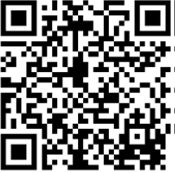
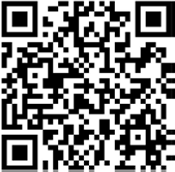
[cid:image001.jpg@01D9B979.D02976E0] BME WEEKLY ROUNDTABLE July 17, 2023 INTERIM HEAD'S NOTE * Vitaliy Rayz and I are pleased to announce Elsje Pienaar, Assistant Professor of Biomedical Engineering, will assume the role of Director of Undergraduate Programs and Chair of the Undergraduate Curriculum Committee in the Weldon School. Please join us in welcoming Elsje into her new role, as she leads our undergraduate programs to new levels of excellence. * The Trailblazers in Engineering workshop will take place next week. There will be a couple of keynote lectures (see details below). This is a good opportunity for our current faculty to interact with prospective faculty. You may have been invited to attend the poster session in the afternoon of July 25th . Please consider attending it if you are free. * As we promote team building for preeminence in areas strategically important to the Weldon School, here is a quick reminder with encouragement to consider pilot initiatives at the college and university levels. For example, the TEaming for Future Grants (TEFF). To facilitate team building, Purdue Engineering is offering seed grants of up to $5k each for team-building activities to capture large (>$1M) external sponsored program opportunities with deadlines in AY 23-24 or beyond. Please reach out to Wayne Chen, Associate Dean for Research and Innovation for further details. UPCOMING IMPORTANT DATES Week of July 17 Tues., July 18: BME Master's Defense Announcement for Clarisse Zigan (D. Chan, Advisor), 3:00 p.m., MJIS 2001 and via Zoom. Title of presentation: Exploring Changes to Matrix Mechanics and Composition of Chondrocyte-laden Hydrogels. Wed., July 19: BME Summer Seminar Series, 9:30 a.m., via Zoom. Cameron Villarreal (Deva Chan, advisor) will present "The gut microbiome modulates the structure-function relationship in musculoskeletal tissue: More than a gut feeling." Jae Young Park (Hugh Lee, advisor) will present "Novel stretchable thin-film electronic device-based neuromodulation platforms for less risky, easy, and reliable implantation." MJIS UPDATES July 26, 27 and 28, the vacuum pumps will be shut down for replacement and repairs. During this three day period, there will be NO vacuum exhausting available in any of the lab hoods, as the vacuum lines to the building will be shut down in order to do needed repairs and install new piping and motors. Please plan ahead! Contact Susan Hardy (hardy13@purdue.edu<mailto:hardy13@purdue.edu>) with any questions or concerns. Important deadlines and information Mon., July 24: Final Grade Entry Begins. (Ends promptly at 5:00 p.m., Tues., August 8th). Wed., July 26: Trailblazers in Engineering Keynote Lecture, 8:30-9:30 a.m., The Convergence Center, 101 Foundry Dr., Suite 120. Cato T. Laurencin, University Professor at the University of Connecticut and Chief Executive Officer of the Cato T. Laurencin Institute for Regenerative Engineering at the University of Connecticut will present "Regenerative Engineering: Chemistry and Materials Science in Regeneration." Wed., July 26: Trailblazers in Engineering Keynote Lecture, 10:15-11:15 a.m., The Convergence Center, 101 Foundry Dr., Suite 120. Cecilia Aragon, Professor and Director of the Human-Centered Data Science Lab, University of Washington, Seattle, will present "What Flying Upside Down Taught Me About Engineering AI." Mon., July 31: Prospective BME Faculty Seminar, 9:30 a.m., MJIS 1083 or via Zoom. Cheen Euong Ang, Postdoctoral Research, Department of Chemistry and Chemical Biology, Harvard University, will present "Illuminating neurobiology and pathology by cellular reprogramming and spatial omics." Wed., Aug. 9: Poster Presentation Applications Deadline. Registration<https://nam04.safelinks.protection.outlook.com/?url=https%3A%2F%2Fclick.e.iu.edu%2F%3Fqs%3D64a48a732b411d0c2653914a9390c9700ef88f4838882aed7cec562770f30bf0fdadcbbca8663e39d457feedcfe52a22b62640b2b638169e&data=05%7C01%7Cbmeroundtable-list%40ecn.purdue.edu%7C1e9029d66efc4d4f0a5608db87b27ab5%7C4130bd397c53419cb1e58758d6d63f21%7C0%7C0%7C638252972865055470%7CUnknown%7CTWFpbGZsb3d8eyJWIjoiMC4wLjAwMDAiLCJQIjoiV2luMzIiLCJBTiI6Ik1haWwiLCJXVCI6Mn0%3D%7C3000%7C%7C%7C&sdata=G%2FjuMLVqxCLgRZBYmvPfJvTI6f03mRC80706HEPJoRU%3D&reserved=0> is open for this year's Indiana CTSI Annual Meeting to be held in-person, with virtual option, 2023 Indiana CTSI Annual Meeting on September 22, 2023. As you know, this year's 2023 August M. Watanabe Prize in Translational Research Awardee<https://nam04.safelinks.protection.outlook.com/?url=https%3A%2F%2Fclick.e.iu.edu%2F%3Fqs%3D64a48a732b411d0cff0679d5f37ecfaaa90dd5c13901928a73b80cf3aac5c8667cd6a5b819902927e76d0fe5584ad38994e5a413c48f2fa1&data=05%7C01%7Cbmeroundtable-list%40ecn.purdue.edu%7C1e9029d66efc4d4f0a5608db87b27ab5%7C4130bd397c53419cb1e58758d6d63f21%7C0%7C0%7C638252972865055470%7CUnknown%7CTWFpbGZsb3d8eyJWIjoiMC4wLjAwMDAiLCJQIjoiV2luMzIiLCJBTiI6Ik1haWwiLCJXVCI6Mn0%3D%7C3000%7C%7C%7C&sdata=lscLi4u9Hi0g%2BKd7VqMcrjIAlrZEhRh698VML4lzPHA%3D&reserved=0>, Huda Y. Zoghbi, MD, is our keynote speaker. Dr. Zoghbi<https://nam04.safelinks.protection.outlook.com/?url=https%3A%2F%2Fclick.e.iu.edu%2F%3Fqs%3D64a48a732b411d0c1bc62022c033a88a3c2165789225fd8c6537727e5cb9a9e848b9482b31989500dab72de55ebb6bed567e1380f6afa587&data=05%7C01%7Cbmeroundtable-list%40ecn.purdue.edu%7C1e9029d66efc4d4f0a5608db87b27ab5%7C4130bd397c53419cb1e58758d6d63f21%7C0%7C0%7C638252972865211272%7CUnknown%7CTWFpbGZsb3d8eyJWIjoiMC4wLjAwMDAiLCJQIjoiV2luMzIiLCJBTiI6Ik1haWwiLCJXVCI6Mn0%3D%7C3000%7C%7C%7C&sdata=mjBRrXXncy0O%2BX%2Buv%2FA0BEj1J4EfVJTNSfhAoidANZM%3D&reserved=0>is a Distinguished Service Professor at Baylor College of Medicine, director of the Jan and Dan Duncan Neurological Research Institute at Texas Children's Hospital and an investigator with Howard Hughes Medicine Institute. In honor of this year's Watanabe Awardee, Dr. Zoghbi, our annual meeting theme will focus on translational neuroscience. Thus we will be showcasing the Indiana CTSI's cutting-edge research in neuroscience and related topics from across all our campuses. Importantly, as part of the day's agenda, we responded to your feedback and have dedicated a separate poster session along with more opportunities for networking and building collaborations. Our complete program is being finalized so please view the <https://nam04.safelinks.protection.outlook.com/?url=https%3A%2F%2Fclick.e.iu.edu%2F%3Fqs%3D64a48a732b411d0c9425fbd69c88e0407a4176fa51d886515d157c174b4d5902068cb57902b265f2657339b3f7626fd8ef208e725d865283&data=05%7C01%7Cbmeroundtable-list%40ecn.purdue.edu%7C1e9029d66efc4d4f0a5608db87b27ab5%7C4130bd397c53419cb1e58758d6d63f21%7C0%7C0%7C638252972865211272%7CUnknown%7CTWFpbGZsb3d8eyJWIjoiMC4wLjAwMDAiLCJQIjoiV2luMzIiLCJBTiI6Ik1haWwiLCJXVCI6Mn0%3D%7C3000%7C%7C%7C&sdata=gvyiZWMJBIZP%2FYVyff7I586Rxy%2F9JKmAReJQjKXihsY%3D&reserved=0> website<https://nam04.safelinks.protection.outlook.com/?url=https%3A%2F%2Fclick.e.iu.edu%2F%3Fqs%3D64a48a732b411d0cb627b0938d5a5cd61b3b774bd7b2f513df295ec6354a7440c8dbff237cec31ec5ff8dccbde38651b0aaf8d16a64b7694&data=05%7C01%7Cbmeroundtable-list%40ecn.purdue.edu%7C1e9029d66efc4d4f0a5608db87b27ab5%7C4130bd397c53419cb1e58758d6d63f21%7C0%7C0%7C638252972865211272%7CUnknown%7CTWFpbGZsb3d8eyJWIjoiMC4wLjAwMDAiLCJQIjoiV2luMzIiLCJBTiI6Ik1haWwiLCJXVCI6Mn0%3D%7C3000%7C%7C%7C&sdata=vPFOuXg%2BT%2F8%2FBT%2Fz5MbBFAmKaVJ3U4r%2FZofcyOZOYcc%3D&reserved=0> to stay informed. We are accepting submissions for in-person poster presentations. Research topics across the translational spectrum are welcome. Come showcase your research that is making a difference! The deadline for submitting poster presentation applications is 5:00 pm EDT on Wednesday, August 9th. More information is available via the registration link above - please note that you must register first in order to receive poster submission details. We look forward to seeing you on September 22 as we highlight the great work and people of the Indiana CTSI, and celebrate our efforts to advance health research in Indiana and beyond. Wed., Sept. 6: BMES Early Bird Registration Deadline! Register now to lock in savings with early-bird pricing for the 2023 BMES Annual Meeting (to be held in Seattle, WA, October 11-14). Thousands of biomedical engineers will attend this year's meeting to learn, collaborate, and network. As a BMES member, you can save more than 10% with reduced early bird rates, so if you're not already a member, now would be a good time to join! Click here for details: https://mailchi.mp/e3958bb463f2/o8cvhb9q5x-9335625?e=ea10e317a2<https://nam04.safelinks.protection.outlook.com/?url=https%3A%2F%2Fmailchi.mp%2Fe3958bb463f2%2Fo8cvhb9q5x-9335625%3Fe%3Dea10e317a2&data=05%7C01%7Cbmeroundtable-list%40ecn.purdue.edu%7C1e9029d66efc4d4f0a5608db87b27ab5%7C4130bd397c53419cb1e58758d6d63f21%7C0%7C0%7C638252972865211272%7CUnknown%7CTWFpbGZsb3d8eyJWIjoiMC4wLjAwMDAiLCJQIjoiV2luMzIiLCJBTiI6Ik1haWwiLCJXVCI6Mn0%3D%7C3000%7C%7C%7C&sdata=Elx0ZdrEn00xJb%2Fe%2F4ZWCW4WUVgTx36%2Fwcov%2B1TE4TY%3D&reserved=0> NOTE: We recommend booking your room at the Hyatt Regency Seattle because it's closer to the convention center AND it's where university receptions will be held (in addition to some being held inside the convention center). Here's the link to reserve with the $259 discount rate. This rate only lasts until the allotted number of rooms have been sold. https://www.hyatt.com/en-US/group-booking/SEARS/G-BMES<https://nam04.safelinks.protection.outlook.com/?url=https%3A%2F%2Fwww.hyatt.com%2Fen-US%2Fgroup-booking%2FSEARS%2FG-BMES&data=05%7C01%7Cbmeroundtable-list%40ecn.purdue.edu%7C1e9029d66efc4d4f0a5608db87b27ab5%7C4130bd397c53419cb1e58758d6d63f21%7C0%7C0%7C638252972865211272%7CUnknown%7CTWFpbGZsb3d8eyJWIjoiMC4wLjAwMDAiLCJQIjoiV2luMzIiLCJBTiI6Ik1haWwiLCJXVCI6Mn0%3D%7C3000%7C%7C%7C&sdata=qeZIzLXpDiuiFVUkqozlFHz4UJICPbo9wJkjxu20dX8%3D&reserved=0> Fri., Sept. 8: Abstract Submission Deadline for The Trauma THOMPSON Challenge. The primary goal of The Trauma THOMPSON Challenge is to encourage research to build better algorithms for autonomous instruction systems in uncontrolled and austere environments, especially for life-saving procedures. The envisioned algorithms include action recognition, action anticipation, procedure recognition, and visual question answering (VQA). The challenge participation details are below. Committee Updates Academic Programs Update Summer Grading Deadlines: 1. Final Grading windows are found here<https://www.purdue.edu/registrar/faculty/grading/index.html>: * Full 12-week summer session (includes all undergrad and grad-level research students) * Grade entry begins at 8 a.m. Monday July 24th and ends promptly at 5 p.m. Tuesday August 8th. 2. [cid:image002.png@01D9B979.D02976E0] Guidance on Final grading<https://nam04.safelinks.protection.outlook.com/ap/w-59584e83/?url=https%3A%2F%2Fpurdue0.sharepoint.com%2F%3Aw%3A%2Fr%2Fsites%2FRecordsandRegistration%2FShared%2520Documents%2FGrading%2FGuidance%2520on%2520Final%2520Grade%2520Submission.docx%3Fd%3Dw8127c83fcd414c56b8b5c5757dce517e%26csf%3D1%26web%3D1%26e%3D0ciUhC&data=05%7C01%7Cbmeroundtable-list%40ecn.purdue.edu%7C1e9029d66efc4d4f0a5608db87b27ab5%7C4130bd397c53419cb1e58758d6d63f21%7C0%7C0%7C638252972865211272%7CUnknown%7CTWFpbGZsb3d8eyJWIjoiMC4wLjAwMDAiLCJQIjoiV2luMzIiLCJBTiI6Ik1haWwiLCJXVCI6Mn0%3D%7C3000%7C%7C%7C&sdata=WD4HIwTIzKczBotdzOZyuWC%2B9s4jrRzKu4ITtrl8F%2F4%3D&reserved=0> 3. Now is the perfect time for faculty to take the 15 minutes to get all your required certifications up to date BEFORE the deadline approaches. * FERPA * GLBA * Data Handling * Protecting SSNs 4. This page<https://www.purdue.edu/registrar/faculty/grading/PWL-grade-entry-update.html#_blank> provides myPurdue grade entry instructions. 5. This page<https://www.purdue.edu/brightspace/Docs/Grades/SubmitFinalGradesToBanner.php#_blank> provides BrightSpace final grade submission instructions. * Those not making the deadline must use the Grade Change Workflow to submit a grade for each student. * Instructions may be found here<https://www.purdue.edu/registrar/faculty/grading/Grade_Change_Workflow.html#_blank>. Resources and further information BME Master's Defense Announcement for Clarisse Zigan (D. Chan, Advisor), Tues., July 18, 3:00 p.m., MJIS 2001 and via Zoom. Title of presentation: Exploring Changes to Matrix Mechanics and Composition of Chondrocyte-laden Hydrogels. Committee: Dr. Deva Chan, Chair; Dr. Alex Chortos, Dr. Douglas Brubaker Abstract: To explore the mechanisms of cellular mechanotransduction, it is necessary to employ biomaterials that effectively merge biofunctionality with appropriate mechanical characteristics. Agarose is a standard biopolymer used in cartilage mechanobiology but lacks necessary adhesion motifs for cell-matrix interactions to complete mechanostransduction studies. Collagen type I is a natural biomaterial used in cartilage mechanotransduction studies but creates an environment much softer than native cartilage tissue. In these studies, agarose is blended at two final concentrations (2% w/v and 4% w/v) with collagen type I (2 mg/mL). Our ultimate goal is to determine whether a composite hydrogel of agarose and collagen can create a mechanically and biologically suitable matrix for chondrocyte studies. First, hydrogels were characterized by rheologic and compressive properties, contraction, and structural homogeneity. Following baseline characterization, primary murine chondrocytes were embedded (1 x 10⁶ cells/mL) within the hydrogels to assess the longer-term in vitro impact on matrix mechanics, cell proliferation, sulfated glycosaminoglycan (sGAG) content, and cellular morphology. To begin probing questions about physiologic loading conditions that chondrocytes experience in vivo, a custom compression loading system was validated using cell-laden hydrogels. Briefly, the 4% agarose - 2mg/mL collagen I hydrogel composites were able to retain chondrocyte morphology over 21 days in culture, resulted in continual sGAG production, and had bulk mechanics similar to that of the stiffest hydrogel material tested, indicating this hydrogel class may be promising towards developing an effective hydrogel for chondrocyte mechanotransduction and mechanobiology studies, a critical step towards a fuller understanding of cell-matrix interactions. Zoom link: https://purdue-edu.zoom.us/j/99312080091?pwd=RnBkMSs3eHViZ0F3Kyt4Vlhqdld2UT09<https://nam04.safelinks.protection.outlook.com/?url=https%3A%2F%2Fpurdue-edu.zoom.us%2Fj%2F99312080091%3Fpwd%3DRnBkMSs3eHViZ0F3Kyt4Vlhqdld2UT09&data=05%7C01%7Cbmeroundtable-list%40ecn.purdue.edu%7C1e9029d66efc4d4f0a5608db87b27ab5%7C4130bd397c53419cb1e58758d6d63f21%7C0%7C0%7C638252972865211272%7CUnknown%7CTWFpbGZsb3d8eyJWIjoiMC4wLjAwMDAiLCJQIjoiV2luMzIiLCJBTiI6Ik1haWwiLCJXVCI6Mn0%3D%7C3000%7C%7C%7C&sdata=8CSww14DGnZOEnXged%2BWQD%2BL%2BPsmYilP1f1Hwy4Qzpc%3D&reserved=0> Meeting ID: 993 1208 0091 Passcode: 411736 BME Summer Seminar Series, Wed., July 19, 9:30 a.m., via Zoom. Cameron Villarreal (Deva Chan, advisor) will present "The gut microbiome modulates the structure-function relationship in musculoskeletal tissue: More than a gut feeling." Jae Young Park (Hugh Lee, advisor) will present "Novel stretchable thin-film electronic device-based neuromodulation platforms for less risky, easy, and reliable implantation." The gut microbiome modulates the structure-function relationship in musculoskeletal tissue: More than a gut feeling, Cameron Villarreal (Deva Chan, advisor) Abstract: The gut microbiome is a diverse and dynamic ecosystem that modulates numerous physiological processes across organ systems. Microbes and microbe metabolites have been shown to alter systemic inflammation, intestinal permeability, and nutrient metabolism. Each of these processes can be associated with musculoskeletal development and the underlying structure-function relationship in the various connective tissues of the musculoskeletal system. Beyond these indirect relationships, other work has shown that modulation of the gut microbiome in rodents by introducing a high-fat diet or antibiotics leads to an altered propensity for musculoskeletal diseases like osteoarthritis and altered bone material properties. While a wealth of evidence suggests that the gut microbiome has a widespread systemic effect in the musculoskeletal system, how it modulates the connective tissue in joints and underlying subchondral bone remains poorly understood hindering our ability to diagnose, treat, and prevent musculoskeletal disease. Through our work, we aim to examine how deviations from a steady state gut microbiome, or dysbiosis, may result in deleterious changes to bone quality, cartilage content, and markers of systemic inflammation. We examine alterations to the structure-function relationship in musculoskeletal tissue through a combination of imaging, biomechanics, and content assays. Additionally, we profile the gut microbiome through 16s with the goal of correlating changes in the gut microbiome to altered gut composition. This work seeks to enhance our understanding of the interrelatedness between the gut and the musculoskeletal system to enable improved treatment, both adjuvant and preventative, of musculoskeletal disease and injury. Evaluation link for Cameron Villarreal: https://purdue.ca1.qualtrics.com/jfe/form/SV_0eUiKgdroT1urJQ<https://nam04.safelinks.protection.outlook.com/?url=https%3A%2F%2Fpurdue.ca1.qualtrics.com%2Fjfe%2Fform%2FSV_0eUiKgdroT1urJQ&data=05%7C01%7Cbmeroundtable-list%40ecn.purdue.edu%7C1e9029d66efc4d4f0a5608db87b27ab5%7C4130bd397c53419cb1e58758d6d63f21%7C0%7C0%7C638252972865211272%7CUnknown%7CTWFpbGZsb3d8eyJWIjoiMC4wLjAwMDAiLCJQIjoiV2luMzIiLCJBTiI6Ik1haWwiLCJXVCI6Mn0%3D%7C3000%7C%7C%7C&sdata=v1UpuJ5Culk2jIlAN1uxpI9Yhy7akQ5dhZCNHHL425w%3D&reserved=0> Novel stretchable thin-film electronic device-based neuromodulation platforms for less-risky, easy, and reliable implantation, Jae Young Park (Hyowon Lee, advisor) Abstract: Neuromodulation is increasingly utilized to rehabilitate a variety of biological functions, such as vision, hearing, movement, touch perception, and sense of self-movement, particularly in patients with severe or chronic diseases for whom other treatment options, including medication, have proven ineffective. Nevertheless, due to concerns about the cost and safety of surgical processes, many are hesitant to proceed with this option. Concerns particularly arise from the potential displacement of the electrode caused by movements at the target site due to air infiltration or cerebrospinal fluid loss during surgery. Other issues including technical errors, failure in lead fixation, Twiddler syndrome, and Pneumocephalus can also result in electrode dislocation. This misalignment can lead to off-target effect that can have severe repercussions for patients. In address these issues, we have developed two novel platforms and accompanying surgical strategies to enable safer, more accurate, and easier implantation: 1. Flexible electronic catheter for Deep Brain Stimulation (DBS) 2. Adhesive-hydrogel-integrated cuff electrodes for Vagus Nerve Stimulation (VNS). To achieve these multifaceted objectives, we designed a stretchable thin-film electronic device using polyimide-based microfabrication techniques, which is compliant to other functional medical platforms. By integrating this device with silicone catheter and adhesive hydrogel, we have endowed the device with new functionality that facilitate novel implantation methodologies. Evaluation link for Jae Young Park: https://purdue.ca1.qualtrics.com/jfe/form/SV_9p2aSOZR6u81LbE<https://nam04.safelinks.protection.outlook.com/?url=https%3A%2F%2Fpurdue.ca1.qualtrics.com%2Fjfe%2Fform%2FSV_9p2aSOZR6u81LbE&data=05%7C01%7Cbmeroundtable-list%40ecn.purdue.edu%7C1e9029d66efc4d4f0a5608db87b27ab5%7C4130bd397c53419cb1e58758d6d63f21%7C0%7C0%7C638252972865211272%7CUnknown%7CTWFpbGZsb3d8eyJWIjoiMC4wLjAwMDAiLCJQIjoiV2luMzIiLCJBTiI6Ik1haWwiLCJXVCI6Mn0%3D%7C3000%7C%7C%7C&sdata=55IboN6pZiLFUSpuQ0671fmhwEBNrvhLK%2FDZgYG5GOY%3D&reserved=0> *Join Zoom Meeting: https://purdue-edu.zoom.us/j/98231659969?pwd=T21Oa1B6QzFyQzFvckMzS1doNGlJUT09<https://nam04.safelinks.protection.outlook.com/?url=https%3A%2F%2Fpurdue-edu.zoom.us%2Fj%2F98231659969%3Fpwd%3DT21Oa1B6QzFyQzFvckMzS1doNGlJUT09&data=05%7C01%7Cbmeroundtable-list%40ecn.purdue.edu%7C1e9029d66efc4d4f0a5608db87b27ab5%7C4130bd397c53419cb1e58758d6d63f21%7C0%7C0%7C638252972865211272%7CUnknown%7CTWFpbGZsb3d8eyJWIjoiMC4wLjAwMDAiLCJQIjoiV2luMzIiLCJBTiI6Ik1haWwiLCJXVCI6Mn0%3D%7C3000%7C%7C%7C&sdata=j5zrzR%2FmHhf3Al4r4%2F%2Bs2paPaBdOUa81VtnKhY6E3ms%3D&reserved=0> Meeting ID: 982 3165 9969 Passcode: biomedical Trailblazers in Engineering Keynote Lecture, Wed., July 26, 8:30-9:30 a.m., The Convergence Center, 101 Foundry Dr., Suite 120. Cato T. Laurencin, University Professor at the University of Connecticut and Chief Executive Officer of the Cato T. Laurencin Institute for Regenerative Engineering at the University of Connecticut will present "Regenerative Engineering: Chemistry and Materials Science in Regeneration." Abstract: We define the field of Regenerative Engineering as the Convergence of Advanced Materials Science, Stem Cell Science, Physics, Developmental Biology, and Clinical Translation for the regeneration of complex tissues and organ systems. Work in the area of musculoskeletal tissue regeneration has focused on a number of technologies. Polymeric nanofiber systems create the prospect for biomimetics that recapitulate connective tissue ultrastructure allowing for the design of biomechanically functional matrices, and next generation matrices that create a niche for stem cell activity. Polymer and polymer-ceramic systems can be utilized for the regeneration of bone. Through the use of inducerons, small molecules fostering induction, the design of regeneration-inducing materials can be realized. Hybrid matrices possessing micro and nano architecture can create advantageous systems for regeneration, while the use of classic principles of chemistry, materials science, and engineering can lead to the development of three-dimensional systems suitable for functional regeneration of tissues. Work in the creation of synthetic artificial stem cells present prospects for joint restoration. Through convergence of a number of technologies, we believe the prospect of engaging future grand challenges is possible. Biography: Cato T. Laurencin, M.D., Ph.D. earned his B.S.E. in Chemical Engineering from Princeton, his M.D., Magna Cum Laude, from the Harvard Medical School, and his Ph.D. in Biochemical Engineering/Biotechnology from M.I.T. He is the pioneer of the field of Regenerative Engineering. In receiving the Spingarn Medal, he was named the world's foremost engineer-physician-scientist. Dr. Laurencin pioneered the novel use of polymeric biomaterials for treating musculoskeletal conditions. In recognition of his breakthrough achievements, the American Institute of Chemical Engineers created the Cato T. Laurencin Regenerative Engineering Founder's Award. Dr. Laurencin's work spans fundamental science, applied science, engineering and technology translation. He has received the highest honors in all areas including Chemistry (Priestley Medal), Materials Science (Von Hippel Award), Chemical Engineering (Founder's Award). Biological Engineering (Jay Bailey Award), Biomedical Engineering (Pritzker Lectureship Award), Medical and Biological Engineering (Pierre Galletti Award) and Surgery (Nicolas Andry Award). In science, engineering, medicine, and innovation, he is an elected member of the National Academy of Sciences, the National Academy of Engineering, the National Academy of Medicine, and an elected Fellow of the National Academy of Inventors. He is the first surgeon in history to be elected to all four national academies. Dr. Laurencin received the Philip Hague Abelson Prize, the highest honor of the American Association for the Advancement of Science, for "signal contributions to the advancement of science in the United States" for his work in Regenerative Engineering. He is the first person to receive both the oldest/highest award from the National Academy of Engineering (the Simon Ramo Founder's Award) and one of the oldest/highest awards of the National Academy of Medicine (the Walsh McDermott Medal). In innovation, Dr. Laurencin was awarded the National Medal of Technology and Innovation, America's highest honor for technological advancement, by President Barack Obama in ceremonies at the White House. Dr. Laurencin is the University Professor and Albert and Wilda Van Dusen Distinguished Endowed Professor at the University of Connecticut. He is Professor of Chemical and Biomolecular Engineering, Professor of Materials Science and Engineering and Professor of Biomedical Engineering at UConn. He is the Chief Executive Officer of the Cato T. Laurencin Institute for Regenerative Engineering at UConn. His autobiography has been published by Elsevier. It is entitled "Success is What You Leave Behind''. Please scan the QR code to register. After registering, you will receive a confirmation email containing information about joining the meeting. [cid:image003.png@01D9B979.D02976E0] Hosted by the College of Engineering. Trailblazers in Engineering Keynote Lecture, Wed., July 26, 10:15-11:15 a.m., The Convergence Center, 101 Foundry Dr., Suite 120. Cecilia Aragon, Professor and Director of the Human-Centered Data Science Lab, University of Washington, Seattle, will present "What Flying Upside Down Taught Me About Engineering AI." Abstract: In this talk, Cecilia Aragon describes her journey from extremely fearful daughter of immigrants to daredevil airshow pilot - and then to using supercomputers and human-centered artificial intelligence to solve some of the greatest mysteries of the universe. She'll present examples from a 30-year career in data science, artificial intelligence, and aviation and talk about how using math to face her fears enabled her to become the first Latina pilot on the US Unlimited Aerobatic Team. She scaffolded that courage to build a career in data science and Al, developing the new field of human-centered data science and becoming the first Latina to achieve the rank of Full Professor in the College of Engineering at the University of Washington in its 100-year history. Biography: Dr. Cecilia Aragon is an award-winning author, airshow pilot, and the first Latina to earn the rank of Full Professor in the College of Engineering at the University of Washington in its 100-year history. She earned her Ph.D. in Computer Science from UC Berkeley in 2004, and her B.S. in Mathematics from the California Institute of Technology. She's worked with Nobel Prize winners and has taught astronauts to fly. Her innovative research, and a stint at NASA designing software for Mars missions, led President Obama to call her "one of the top scientists and engineers in the country:' In addition to her love of math and science, she's passionate about helping others face their own fears and challenges to achieve their goals. Her award-winning memoir, Flying Free (2020), shares her journey of breaking past her own fears to become a champion aerobatic pilot. It debuted on five bestseller lists and is a TODAY Show and Hip Latina Recommended Read, and winner of the 2021 Nancy Pearl Award from the Pacific Northwest Writers Association and the International Latino Book Award Gold Medal for Most Inspirational Nonfiction in English .. Her 2019 book, Writers in the Secret Garden, takes a close look at the fascinating world of fanfiction to explore how young people express themselves. Her latest book, Human-Centered Data Science (2022), is an accessible guide to best practices for addressing bias and inequality in data science and artificial intelligence. Learn more at CeciliaAragonAuthor.com. Please scan the QR code to register. After registering, you will receive a confirmation email containing information about joining the meeting. [cid:image004.png@01D9B979.D02976E0] Hosted by the College of Engineering. Prospective BME Faculty Seminar, Mon., July 31, 9:30 a.m., MJIS 1083 or via Zoom. Cheen Euong Ang, Postdoctoral Researcher, Department of Chemistry and Chemical Biology, Harvard University, will present "Illuminating neurobiology and pathology by cellular reprogramming and spatial omics." Abstract: Genome-wide association studies have revealed single nucleotide polymorphism and copy number variants associated with neurological diseases. Generally, mutations in the coding genes are decipherable based on our knowledge of splicing and the genetic code. However, how mutations in the regulatory elements or non-coding RNAs contribute to neurological diseases remain an open area of investigation. Elucidating how non-coding regions contribute to pathogenesis is hindered by: (a) the lack of access to healthy or diseased human brain tissue samples and (b) the lack of tools to visualize the spatial activity of regulatory elements and non-coding RNAs within the nucleus and across brain tissue and how their spatial activity regulates gene expression. In the first part of my talk, I will describe the development of reprogramming protocols to obtain human neurons via direct conversion of somatic or embryonic stem cells into induced neurons and the use of those neurons to model a non-coding RNA mutation found in autism spectrum disorder patients. Additionally, I will present my recent work in developing spatial transcriptomic and epigenomic imaging methods to shed light on gene regulation and enhancer dynamics during nervous system development. The research presented showcases the promise of using neuronal reprogramming and spatial imaging to deepen our understanding of neurodevelopmental processes and the role of non-coding mutations in neurological diseases, potentially informing the future development of new therapeutic strategies. 1. Tanabe, K.*, Ang, C.E.*, Chanda, S., Levinson, D., Sudhof, T.C., & Wernig, M. Transdifferentiation of human adult peripheral blood T cells into neurons. PNAS. 115 (25) 6470-6475. (2018). 2. Ang, C.E.*, Wapinski, O.*, Ma, Q.*, Fan, S., Coe, B., Onoguchi, M., Do, B.T., Dukes-Rimsky, L., Xu, J., Lee, Q.Y., Wang, L., Eichler, E.E., Srivastava, A., Elling, U., Penninger, J., Wernig, M., & Chang, H.Y. The novel lncRNA lnc-NR2F1 is pro-neurogenic and mutated in human neurodevelopmental disorders. eLife. 2019;8: e41770 (2019) 3. Lu, T.*, Ang, C.E.*, Zhuang, X. Spatially resolved epigenomic profiling of single cells in complex tissues. Cell. 185, 117. (2022). 4. Wang, G., Ang, C.E., Fan, J., Wang, A., Moffitt, J.R., Zhuang, X. Spatial organization of the transcriptome in individual neurons. In revision. https://www.biorxiv.org/content/10.1101/2020.12.07.414060v1.abstract<https://nam04.safelinks.protection.outlook.com/?url=https%3A%2F%2Fwww.biorxiv.org%2Fcontent%2F10.1101%2F2020.12.07.414060v1.abstract&data=05%7C01%7Cbmeroundtable-list%40ecn.purdue.edu%7C1e9029d66efc4d4f0a5608db87b27ab5%7C4130bd397c53419cb1e58758d6d63f21%7C0%7C0%7C638252972865211272%7CUnknown%7CTWFpbGZsb3d8eyJWIjoiMC4wLjAwMDAiLCJQIjoiV2luMzIiLCJBTiI6Ik1haWwiLCJXVCI6Mn0%3D%7C3000%7C%7C%7C&sdata=ZuZkitm4V20vsxfThpTkmbWln5p5c9Sro5bRDZ7UedA%3D&reserved=0> Zoom link: https://purdue-edu.zoom.us/j/95037790369<https://nam04.safelinks.protection.outlook.com/?url=https%3A%2F%2Fpurdue-edu.zoom.us%2Fj%2F95037790369&data=05%7C01%7Cbmeroundtable-list%40ecn.purdue.edu%7C1e9029d66efc4d4f0a5608db87b27ab5%7C4130bd397c53419cb1e58758d6d63f21%7C0%7C0%7C638252972865211272%7CUnknown%7CTWFpbGZsb3d8eyJWIjoiMC4wLjAwMDAiLCJQIjoiV2luMzIiLCJBTiI6Ik1haWwiLCJXVCI6Mn0%3D%7C3000%7C%7C%7C&sdata=sha5do6crtTOizex%2FhG39xR1PV2rBOgOWUS3MsRXkWQ%3D&reserved=0> [Indiana CTSI logo and co-directors logo] REGISTRATION NOW OPEN FOR THE 2023 INDIANA CTSI ANNUAL MEETING PLEASE JOIN US ON FRIDAY, SEPTEMBER 22, 2023! Dear Indiana CTSI Colleagues, As announced today in a communication to our Indiana CTSI newsletter subscribers, registration<https://nam04.safelinks.protection.outlook.com/?url=https%3A%2F%2Fclick.e.iu.edu%2F%3Fqs%3D64a48a732b411d0c2653914a9390c9700ef88f4838882aed7cec562770f30bf0fdadcbbca8663e39d457feedcfe52a22b62640b2b638169e&data=05%7C01%7Cbmeroundtable-list%40ecn.purdue.edu%7C1e9029d66efc4d4f0a5608db87b27ab5%7C4130bd397c53419cb1e58758d6d63f21%7C0%7C0%7C638252972865211272%7CUnknown%7CTWFpbGZsb3d8eyJWIjoiMC4wLjAwMDAiLCJQIjoiV2luMzIiLCJBTiI6Ik1haWwiLCJXVCI6Mn0%3D%7C3000%7C%7C%7C&sdata=anGB77ufKb5MNvrfa0aE%2Blmj8dRszmhdB2L0w7jRCqI%3D&reserved=0> is open for this year's Indiana CTSI Annual Meeting to be held in-person, with virtual option, 2023 Indiana CTSI Annual Meeting on September 22, 2023. As you know, this year's 2023 August M. Watanabe Prize in Translational Research Awardee<https://nam04.safelinks.protection.outlook.com/?url=https%3A%2F%2Fclick.e.iu.edu%2F%3Fqs%3D64a48a732b411d0cff0679d5f37ecfaaa90dd5c13901928a73b80cf3aac5c8667cd6a5b819902927e76d0fe5584ad38994e5a413c48f2fa1&data=05%7C01%7Cbmeroundtable-list%40ecn.purdue.edu%7C1e9029d66efc4d4f0a5608db87b27ab5%7C4130bd397c53419cb1e58758d6d63f21%7C0%7C0%7C638252972865211272%7CUnknown%7CTWFpbGZsb3d8eyJWIjoiMC4wLjAwMDAiLCJQIjoiV2luMzIiLCJBTiI6Ik1haWwiLCJXVCI6Mn0%3D%7C3000%7C%7C%7C&sdata=HKzEfU5wTv7JLiG7Zy%2FrqREyZmS6l%2FLUeHlq5IN%2FWmM%3D&reserved=0>, Huda Y. Zoghbi, MD, is our keynote speaker. Dr. Zoghbi<https://nam04.safelinks.protection.outlook.com/?url=https%3A%2F%2Fclick.e.iu.edu%2F%3Fqs%3D64a48a732b411d0c1bc62022c033a88a3c2165789225fd8c6537727e5cb9a9e848b9482b31989500dab72de55ebb6bed567e1380f6afa587&data=05%7C01%7Cbmeroundtable-list%40ecn.purdue.edu%7C1e9029d66efc4d4f0a5608db87b27ab5%7C4130bd397c53419cb1e58758d6d63f21%7C0%7C0%7C638252972865211272%7CUnknown%7CTWFpbGZsb3d8eyJWIjoiMC4wLjAwMDAiLCJQIjoiV2luMzIiLCJBTiI6Ik1haWwiLCJXVCI6Mn0%3D%7C3000%7C%7C%7C&sdata=mjBRrXXncy0O%2BX%2Buv%2FA0BEj1J4EfVJTNSfhAoidANZM%3D&reserved=0>is a Distinguished Service Professor at Baylor College of Medicine, director of the Jan and Dan Duncan Neurological Research Institute at Texas Children's Hospital and an investigator with Howard Hughes Medicine Institute. In honor of this year's Watanabe Awardee, Dr. Zoghbi, our annual meeting theme will focus on translational neuroscience. Thus we will be showcasing the Indiana CTSI's cutting-edge research in neuroscience and related topics from across all our campuses. Importantly, as part of the day's agenda, we responded to your feedback and have dedicated a separate poster session along with more opportunities for networking and building collaborations. Our complete program is being finalized so please view the <https://nam04.safelinks.protection.outlook.com/?url=https%3A%2F%2Fclick.e.iu.edu%2F%3Fqs%3D64a48a732b411d0c9425fbd69c88e0407a4176fa51d886515d157c174b4d5902068cb57902b265f2657339b3f7626fd8ef208e725d865283&data=05%7C01%7Cbmeroundtable-list%40ecn.purdue.edu%7C1e9029d66efc4d4f0a5608db87b27ab5%7C4130bd397c53419cb1e58758d6d63f21%7C0%7C0%7C638252972865211272%7CUnknown%7CTWFpbGZsb3d8eyJWIjoiMC4wLjAwMDAiLCJQIjoiV2luMzIiLCJBTiI6Ik1haWwiLCJXVCI6Mn0%3D%7C3000%7C%7C%7C&sdata=gvyiZWMJBIZP%2FYVyff7I586Rxy%2F9JKmAReJQjKXihsY%3D&reserved=0> website<https://nam04.safelinks.protection.outlook.com/?url=https%3A%2F%2Fclick.e.iu.edu%2F%3Fqs%3D64a48a732b411d0cb627b0938d5a5cd61b3b774bd7b2f513df295ec6354a7440c8dbff237cec31ec5ff8dccbde38651b0aaf8d16a64b7694&data=05%7C01%7Cbmeroundtable-list%40ecn.purdue.edu%7C1e9029d66efc4d4f0a5608db87b27ab5%7C4130bd397c53419cb1e58758d6d63f21%7C0%7C0%7C638252972865367955%7CUnknown%7CTWFpbGZsb3d8eyJWIjoiMC4wLjAwMDAiLCJQIjoiV2luMzIiLCJBTiI6Ik1haWwiLCJXVCI6Mn0%3D%7C3000%7C%7C%7C&sdata=hZ3ae%2FADAFB2aQxBNkJ3VBtlMtrFufsVj%2Fr%2BAACnQwk%3D&reserved=0> to stay informed. We are accepting submissions for in-person poster presentations. Research topics across the translational spectrum are welcome. Come showcase your research that is making a difference! The deadline for submitting poster presentation applications is 5:00 pm EDT on Wednesday, August 9th. More information is available via the registration link above - please note that you must register first in order to receive poster submission details. We look forward to seeing you on September 22 as we highlight the great work and people of the Indiana CTSI, and celebrate our efforts to advance health research in Indiana and beyond. Please register now and encourage others to do so! Sarah and Sharon Co-directors, Indiana Clinical and Translational Sciences Institute ictsi@iupui.edu<mailto:ictsi@iupui.edu?subject=> Attachments: LBA 2023 Artificial Intelligence Overview -- Bmeroundtable-list mailing list Bmeroundtable-list@ecn.purdue.edu https://engineering.purdue.edu/ECN/mailman/listinfo/bmeroundtable-list