|

|
|
|
The U.S. Global Development Lab was established in April 2014, and builds on USAID's 50 years of experience in applying science, technology, innovation, and partnership to accelerate
development impact.
|
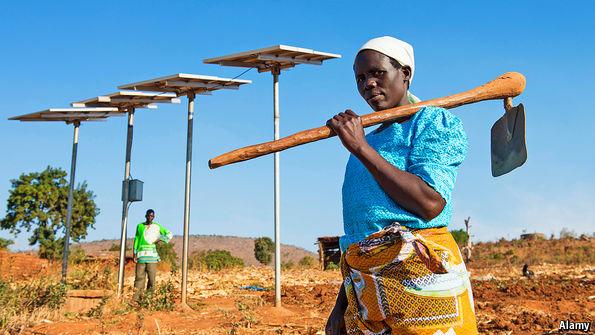
In October, The Economist featured U.S. Global Development Lab's Development Innovation Ventures (DIV) innovator Azuri Technologies as a representation of small-scale
solar power surging ahead in Africa. Azuri is building intelligent solar systems that learn how their users typically use energy. The system then uses this information to ensure it never leaves them in the dark. If a cloudy day reduces the amount of power
it collected then it will imperceptibly dim the lights and television to keep them running.
|
The U.S. Agency for International Development (USAID) and the Massachusetts Institute of Technology (MIT) will co-host the Higher Educations Solutions Network's
TechCon 2016 in Cambridge, Massachusetts from November 10 - 12. TechCon 2016 will convene the students, faculty, and staff that make up USAID's Higher Education Solutions Network (HESN), as well as social entrepreneurs, private sector representatives, government
officials, and development practitioners focused on highlighting cutting-edge solutions to critical development challenges.
|
In the latest edition on her Huffington Post Blog series, USAID Chief Innovation Officer and U.S Global Development Lab Executive Director Ann Mei Chang, explains
why USAID created the Lab, how the Lab is changing the way we do development, and what the Lab will bring to the next generation.
|
|
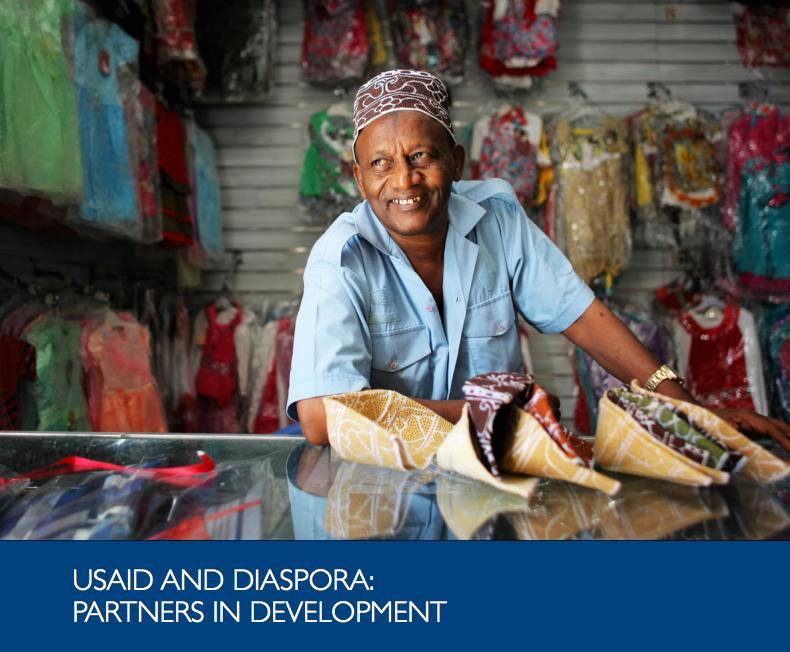
Between January and May 2016, U.S. Global Development Lab's Partnership team commissioned a stocktaking exercise to assess how and where USAID and the broader
development community engage diasporas. USAID and Diaspora: Partners in Development identifies the trends and lessons learned in diaspora engagement, and highlights the opportunities to build on past experiences, strengthen coordination, and pilot and scale
new models to achieve sustainable development impact.
|
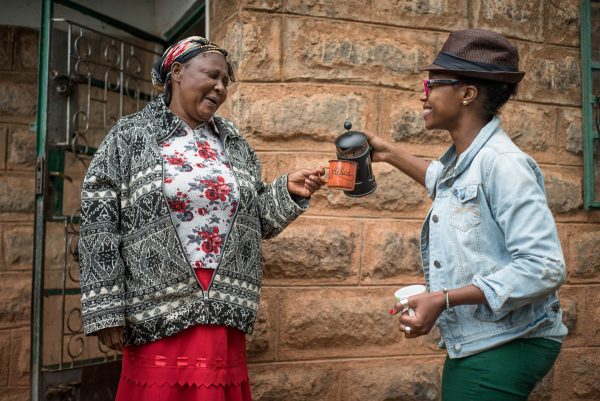
Entrepreneurs serve as critical drivers of economic growth and job creation - yet they often struggle to access the finance they need to grow. Vava Angwenyi knows
this challenge well - she's been working for seven years to grow her social enterprise based in Kenya. Read the story of one Kenyan entrepreneur's journey to start her social enterprise and how the U.S. Global Development Lab's Partnering to Accelerate Entrepreneurship
(PACE) Initiative is helping entrepreneurs like her overcome barriers to growth.
|
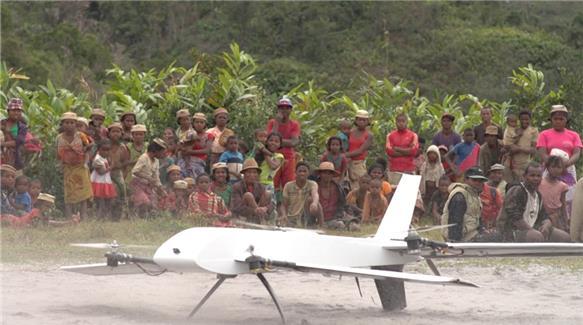
The U.S. Global Development Lab's Development Innovation Ventures' (DIV) grantee Vayu features its use of drones to rural areas in Madagascar. Vayu's mission
involves testing the use of UAVs to deliver urgent medical supplies to the last mile, reducing both cost and time. DIV works to source, test, and scale innovative development ideas that are evidence-based, cost-effective, and have the capability to deliver
greater results.
|
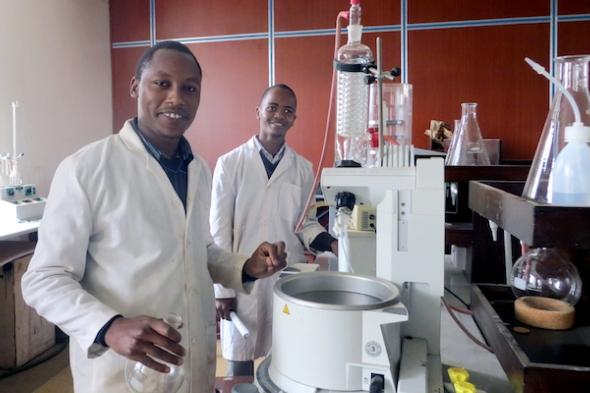
Last month, the CEO of USAI partner Seeding Labs, Nina Dudnik, spoke on the challenges of funding that scientists in developing countries have to work with. Firstly,
funding constraints can cause research projects to stagnate and reduce the chances of publishing, making results difficult for others elsewhere in the world to use. Funding constraints also prevent scientist from attending international conference where they
could share their discoveries and meet potential collaborators and funders. Dudnik emphasizes on how every one of these barriers is solvable.
|
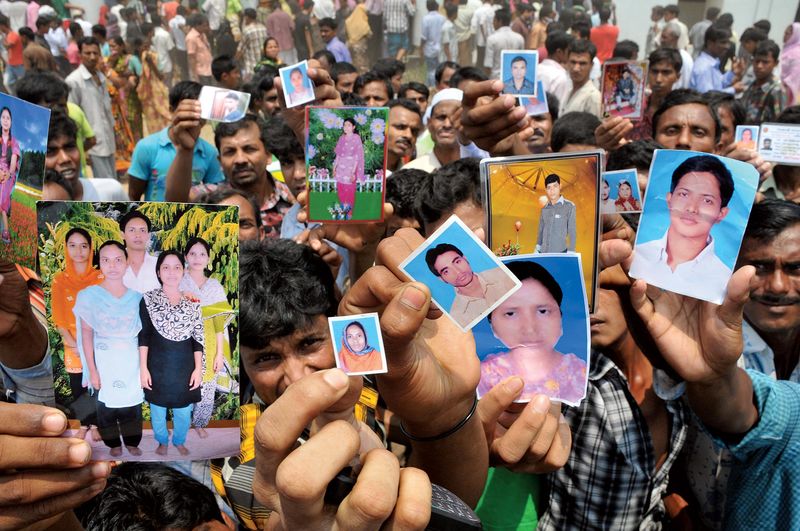
Three years after the Rana Plaza disaster, work conditions are still substandard. More than 80 percent of garment factories in Bangladesh are behind schedule
on these improvements. U.S. Global Development Lab's program Development Innovation Ventures' (DIV) grantee LaborVoices shares new data that nearly half of Bangladesh factories don't meet fire safety requirements.
|
Did you miss last week's Higher Education Solutions Network (HESN) Twitter Chat on next generation innovators? Take a peek at the highlights from our Storify
and continue to follow the conversation on Twitter #TechCon2016
|
LAUNCH, the Australian Government, USAID and others have come together for a global challenge to address under- and over-nutrition. The Food challenge explicitly
seeks supply- or demand-side innovations to improve global health outcomes by enabling people to make healthy food choices, whether in the home, market, street, restaurant or community. These could include for example new food products, agriculture services
or technologies, or development approaches to improve nutrition outcomes through food.
Deadline: January 2017
|
|
|
The Global LEAP Awards Off-Grid Refrigerator Competition seeks high efficiency, low-cost off-grid refrigeration solutions. The Global Lighting and Energy Access
Partnership (Global LEAP), USAID through Scaling Off-Grid Energy: A Grand Challenge for Development, Power Africa, and DfID aim to increase the availability of refrigeration technologies, and in turn drive demand for off-grid solar solutions, such as solar
home systems and micro-grids. The competition will offer three innovation prizes to reward advancements in off-grid refrigeration technology, while also recognizing best-in-class commercially available off-grid refrigerators.
|
|
|
The U.S. Agency for International Development's (USAID) U.S. Global Development Lab announces the opening of a new funding cycle for international
scientific research. Through the Partnerships for Enhanced Engagement in Research (PEER) program, the Global Development Lab will award over $10 million to high quality research projects across the world. Applications should address gaps in scientific knowledge
covering topics relevant to development and demonstrate how the researchers will cooperate with a USG-funded partner.
Deadline: January 2017
|
|
|
The new Global Development Alliance (GDA) Annual Program Statement (APS) is now open. The GDA APS is USAID's open invitation to the private sector
to co-create and implement transformational partnerships to tackle both business and global development challenges that have sustainable development impact.
|
|
|
The Innovation Exchange is a marketplace that connects funders, innovators, users and solution seekers and gives them the tools to maximize their ability to meet
the largest, most pressing development challenges. Use the Exchange to find, share and help breakthrough innovations; search for funding; connect with other resources to test and scale innovations; and stay on top of the latest trends in development innovation.
Create a
profile to see how the Exchange can help you get started.
|
|
|
The Global Innovation Fund (GIF) invests in social innovations that aim to improve the lives and opportunities of millions of people in
the developing world. Through grants and risk capital, it supports breakthrough solutions with strong potential for social impact at a large scale. Financial support ranges from $50,000 to $15 million. GIF is open and accepting application on a rolling basis.
|
|
|
Development Innovation Ventures (DIV) holds a year-round grant competition for innovative ideas, pilots and tests them using cutting-edge analytical
methods, and scales solutions that demonstrate widespread impact and cost-effectiveness.
Applications are accepted on a rolling basis
|
|
|
-
USAID
offers both paid and unpaid internships for qualified students during the academic year. (Washington, DC).
|
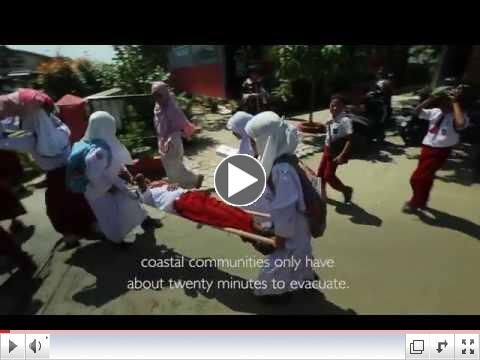
USAID-supported researchers at the Institute of Technology of Bandung (ITB), Indonesia are studying ways to communicate tsunami warning to communities
living along the country's coast where tsunami risk is highest. The work is supported through a PEER (Partnerships for Enhanced Engagement in Research) award to Dr. Harkunti Rayahu at ITB in partnership with colleagues at University of Pittsburgh. Results
from these studies are helping local municipalities re-think their tsunami communication systems to improve citizen awareness and response to tsunami warnings. The PEER program supports researchers around the world working to help USAID achieve development
priorities.
|
|
|
Critical Countdown: Using Local Data to improve Tsunami Warnings
|
|
|
|
|