|

|
|
|
|
MAY 6, 2026
|
|
|
|
|
|

|
|
CEGSAC Election Results: 2026-2027 Leadership Team
|
|
The CEGSAC election has officially concluded, and we’re excited to share the results with you! Please join us in congratulating the newly elected officers for the 2026-2027 CEGSAC Leadership Team:
|
|
President
|
Mihir Sangode
msangode@purdue.edu
|
|
Treasurer
|
Jenna Palka
palka@purdue.edu
|
|
PGSG Senator
|
Ishaan Mussenal basavaraja naik
imussena@purdue.edu
|
|
Sport,Health and Wellness Committee Chair
|
Lautaro Peralta
Peraltl@purdue.edu
|
|
Professional Development
|
Vedant Karde
vkarde@purdue.edu
|
|
Cultural and Community committee
|
Jaeseok Jeong
jeong263@purdue.edu
|
|
|
Alex Woods
wood174@purdue.edu
|
|
Office of Public Relations
|
Sucharitha Alluru
alluru@purdue.edu
|
|
Deekshita Yagnam
dyagnam@purdue.edu
|
🎉 Congratulations to all the elected officers!
We wish you the very best in your roles and look forward to an impactful year ahead at CEGSAC.
|
|
|
|
|

|
|
SPRING 2026 EVENTS ROUNDUP
|
|
2026 Emerging Leader Lecture
February 3, 2026
|
CEGSAC hosted the 2026 Emerging Leader Lecture featuring Mayren Mata, who shared valuable insights from her professional journey. The session inspired students with perspectives on
leadership, career growth, and success in the structural engineering field. Attendees gained practical advice and real-world knowledge from the speaker’s experiences. The lecture provided meaningful motivation for students as they plan their future careers.
The interactive nature of the session allowed students to engage directly, ask questions, and gain deeper clarity on industry expectations. Overall, the event served as an inspiring platform to connect academic learning with professional practice.
|
|
|
|
Ice Skating Night
February 07, 2026
CEGSAC organized a memorable ice skating night that brought students together for an evening filled with fun, laughter, and excitement. The event provided students with a refreshing
break from their academic routines and an opportunity to spend quality time with friends and peers. Students of all skill levels participated enthusiastically, from beginners trying ice skating for the first time to experienced skaters confidently enjoying
the rink. The welcoming and supportive atmosphere encouraged everyone to join in and enjoy the experience comfortably. Throughout the evening, participants shared enjoyable moments, took group photos, and bonded both on and off the ice. The late-night setting
added to the lively energy of the event and made the experience even more memorable for everyone involved. Overall, the event strengthened friendships within the CEGSAC community and left students with lasting memories of a fun winter night.


|
|
|
|
Student Success & Community Building Session
February 12, 2026
This interactive session focused on student growth and building a strong community within the department. With a panel discussion and open conversations, attendees gained useful advice
while connecting with peers and faculty. The session encouraged collaboration and sharing of experiences among students. It also helped create a supportive environment for academic and personal development. Participants had the opportunity to ask questions
and engage in meaningful discussions with panelists. The event highlighted the importance of networking and peer support throughout the academic journey. Overall, it strengthened the sense of belonging and community within the department.
|
|

|
|
|

|
Mug Printing Event
March 31, 2026
CEGSAC organized a creative mug printing session where students designed and personalized their own mugs, encouraging artistic expression while creating a unique keepsake. Participants brought their own cups, adding a personal touch to their designs, and enjoyed
a relaxed environment to socialize and share ideas. Overall, the event was a fun and engaging activity that combined creativity with community building.
|
|
|
|
Research Symposium
April 17, 2026
CEGSAC’s Professional Development Committee successfully hosted the 7th Annual Research Symposium. The event began with engaging industry information sessions featuring leading organizations, providing students with valuable insights
into career opportunities and professional practice, followed by a networking session. The poster session showcased a diverse range of research presented by both graduate and PhD students, highlighting innovation and academic excellence.
|
|

Congratulations to our award winners:
-
Excellence in Research Award:
Prathusha Malladi
-
Outstanding Presentation Award:
Debasmita Baidya
-
Innovation and Creativity: Oscar Moncada
  
|
|
|
|
Spring Picnic
April 25, 2026
CEGSAC wrapped up the semester with a relaxing Spring Picnic at Picket Park. Students enjoyed a fun afternoon outdoors with food, games, and great company. The event provided a perfect opportunity to unwind, socialize, and celebrate
the end of the semester in a refreshing and cheerful atmosphere.
|
|
|
|
|
|
|
Weekly sports
-
Pickleball (February 09, 2026)-CEGSAC hosted a friendly soccer match at TREC Field 2, giving students a fun, active way to connect.
-
Bowling (February 16, 2026)-CEGSAC hosted a fun, inclusive indoor volleyball session at the CoRec for students to stay active and connect.
-
Just Dance (February 23, 2026)- A lively Just Dance session filled with music, movement, and fun.
-
Game night (February 8, 2026)-An energetic evening of pickleball and badminton for all skill levels.
|
|
Weekly Sports
-
Indoor volleyball (March 23, 2026)-CEGSAC hosted a friendly soccer match at TREC Field 2, giving students a fun, active way to connect.
-
Indoor volleyball (March 30, 2026)-CEGSAC hosted a fun, inclusive indoor volleyball session at the CoRec for students to stay active and connect.
-
Pickleball (April 06, 2026)- A lively Just Dance session filled with music, movement, and fun.
-
Basketball (April 13, 2026)-An energetic evening of pickleball and badminton for all skill levels.
|
|
Click Here to Learn
More About Our Past Events!
|
|

|
STUDENTS WELLNESS & SUPPORT
|
|
|
Mental Health & Support Resources
Students are encouraged to take advantage of campus resources including PUSH, CAPS, and CARE for health and well-being support.
For mental health support, remember that the following resources are available:
CARES-Armstrong Coffee Hour
Weekly coffee hours are held on Fridays from 11:00 AM to 12:00 PM in ARMS 1261. Students can spend time with Murphy, the emotional support dog, and connect with peers in a relaxed environment especially helpful as finals approach.
|
|
LEADERSHIP UPDATE
Dr. Dulcy M. Abraham has stepped down from the role of department chair. We thank her for her leadership and contributions to the department. Dr. Jinha Jung will serve as interim chair, and we look forward to continued leadership during this transition.
|
|
|
|
|

|
|
Be sure to catch our upcoming events and activities - stay tuned to your inbox!
|
|
|
|
|
|
|
|
|
|

|
|
DISTINGUISHED LECTURER INTERVIEW
|
|
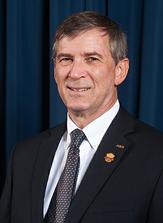
Raymond Paul Giroux Dist.M.ASCE,NAC
In this interview, we speak with Raymond Paul Giroux, former industry professional and Purdue faculty member, about his journey in heavy civil construction and megaprojects, lessons learned from decades of experience, and the qualities required to lead large-scale
infrastructure projects. The conversation explored topics ranging from construction safety and leadership to constructability, innovation, and the future of megaproject delivery.
|
|
|
Career Inspiration and Early Influences
My dad worked for Kiewit Construction, and some of my earliest memories were being on project sites with him during weekends. During my formative years, watching those projects fascinated me. I enjoyed woodworking, welding, and understanding how different
parts came together to form structures. I always liked the idea of taking pieces and building something meaningful out of them, and that naturally led me toward heavy civil construction.
Early in my career as a field engineer, I realized how important it is to treat craftspeople with respect. Leadership is not about control it’s about motivating and inspiring the people around you. Throughout your journey, there is constant technical development,
and you learn a lot through failure. At the same time, you have to stay grounded in your ethics. My natural leadership style became servant leadership. I learned that it’s important to stay true to who you are because engineering is a long journey of growth
and learning.
|
|
Education and Professional Growth
In practice, I genuinely enjoyed what I did almost every day. During the last part of my engineering career, I spent a lot of time thinking about stewardship and giving back to the profession. I know myself well enough to know I couldn’t simply stop after
years of working on major projects. Teaching at Purdue gave me the opportunity to continue contributing, mentoring students, and sharing practical experiences from industry. It has been a blessing to be here because the opportunity for stewardship is immense.
Safety is the most important aspect of any megaproject. Today, the goal is zero recordable accidents, and achieving that requires extensive preplanning and strong engineering controls. Beyond safety, successful projects depend
on innovation, financial discipline, and advancing the profession itself. We are constantly looking for ways to improve methods, reduce risk, and create long-term value for both the industry and society.
|
|
Skills and Qualities for Success
-
What skills are most important for students pursuing a career in engineering?
Assuming you’ve built a solid technical foundation, three non-technical skills are key: leadership, communication, and teamwork. You need to lead when needed, communicate clearly with clients and design teams, and work effectively in a group. Engineering
is never done alone; it’s always a team effort. These skills are essential not just in earthquake engineering, but in all types of engineering and probably in life. The best graduates show they can step up, speak clearly, and collaborate. That’s what we look
for when hiring, those three traits beyond just technical strength.
-
What qualities do you look for in young engineers when hiring or mentoring?
Beyond technical skills, I want to see curiosity and the desire to learn and for new hires to ask questions. Don’t be afraid to look silly if you don’t know something, ask someone! Find the balance between independent learning and knowing when to reach out.
I learned more in my first month of work than four years of undergrad, and even more after grad school. Stay curious, keep learning, and have the confidence to ask and grow.
|
|
Growth and Challenges in Megaproject Engineering
A normal project is like an isolated island, but a megaproject involves multiple interconnected contracts and teams. There is tremendous schedule pressure, and resource management becomes much more complicated. Labor shortages, strikes, and geopolitical issues
can affect the entire program. On megaprojects, you can’t just focus on solving one isolated problem every decision affects other parts of the project. One of the biggest challenges is creating a common sense of urgency among many different stakeholders.
When we study projects like Hoover Dam, Grand Coulee, or the Brooklyn Bridge, we see how much today’s engineering practices evolved from lessons learned in the past. Modern safety standards, material quality control, and project management systems all came
from earlier failures and innovations. Earlier engineers often pushed materials to their limits without the quality assurance we have today. Understanding those historical lessons helps modern engineers appreciate why today’s practices exist
Technology has dramatically changed planning and project controls. Today we use sophisticated scheduling and monitoring systems, but even 100 years ago engineers were managing massive projects using analog methods. One thing I’ve learned is that technology
should never replace direct observation. Decision-makers need to be present in the field and understand actual site conditions. AI and advanced monitoring tools can help communicate information and support decisions, but they are only as good as the data they
receive. There is still no substitute for seeing conditions with your own eyes.
|
|
Constructability and Innovation
Constructability is absolutely critical. Engineers need to design structures in ways that can realistically and safely be built in the field. Prefabrication and efficient construction
methods help reduce risks and improve productivity. The best construction engineers work collaboratively and always think about the workers who will actually build the project. To create something truly safe and efficient, you have to start with constructability
in mind.
The design-build process has evolved significantly over time, especially after major failures led to reforms like the Miller Act. But I still believe we have not fully optimized
design-build delivery. There is still a lot of room for improvement in megaprojects, especially in constructability, coordination, and communication between designers and constructors. That’s what makes engineering exciting — there will always be problems
to solve.
|
|
Advice for Students
Commitment to excellence and lifelong learning is vitally important. You can’t approach engineering with an attitude of mediocrity. Push yourself to seek opportunities and continually
grow, especially when you are young and full of energy. Engineering is a profession that rewards curiosity, discipline, and persistence. If you stay committed to improving yourself and your work, you’ll continue growing throughout your entire career.
|
|
|
|
|
|
|
|


