[Bmeroundtable-list] BME 3rd Year PhD Student Seminar Series: Friday 12-6

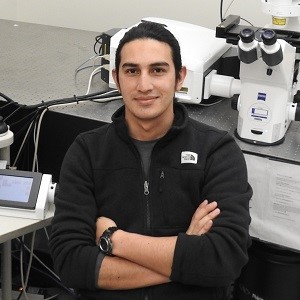
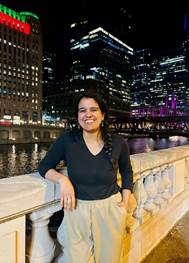
[cid:image001.jpg@01DB05C3.B4BD0650] BME 3rd Year Seminar Series Friday, December 6th, 2024 1:30 - 2:30 PM EST MJIS 1001 Evaluation links: Jhon Martinez: https://purdue.ca1.qualtrics.com/jfe/form/SV_do6p6jpGVUVNIea<https://nam04.safelinks.protection.outlook.com/?url=https%3A%2F%2Fpurdue.ca1.qualtrics.com%2Fjfe%2Fform%2FSV_do6p6jpGVUVNIea&data=05%7C02%7Cbmeroundtable-list%40ecn.purdue.edu%7Cd98059becdb347638cf408dd15fa0488%7C4130bd397c53419cb1e58758d6d63f21%7C0%7C0%7C638690885914246278%7CUnknown%7CTWFpbGZsb3d8eyJFbXB0eU1hcGkiOnRydWUsIlYiOiIwLjAuMDAwMCIsIlAiOiJXaW4zMiIsIkFOIjoiTWFpbCIsIldUIjoyfQ%3D%3D%7C0%7C%7C%7C&sdata=yJvDvS4dDd5Jb9aaovJlRypPY0mpzsEZhlbOOul5Z4E%3D&reserved=0> Nikita Krishnan: https://purdue.ca1.qualtrics.com/jfe/form/SV_e8Qkmqbi8DiZc3A<https://nam04.safelinks.protection.outlook.com/?url=https%3A%2F%2Fpurdue.ca1.qualtrics.com%2Fjfe%2Fform%2FSV_e8Qkmqbi8DiZc3A&data=05%7C02%7Cbmeroundtable-list%40ecn.purdue.edu%7Cd98059becdb347638cf408dd15fa0488%7C4130bd397c53419cb1e58758d6d63f21%7C0%7C0%7C638690885914246278%7CUnknown%7CTWFpbGZsb3d8eyJFbXB0eU1hcGkiOnRydWUsIlYiOiIwLjAuMDAwMCIsIlAiOiJXaW4zMiIsIkFOIjoiTWFpbCIsIldUIjoyfQ%3D%3D%7C0%7C%7C%7C&sdata=2%2FGUkcsuyK%2F6V3lQj%2BJquGmk6mevuInNBzlhE3viORM%3D&reserved=0> Evaluation surveys should only be completed after the seminar has taken place, and only by those who attended the seminar. We appreciate those who are able to attend and provide feedback; These surveys will help us determine the recipient of the 2024 Fearnot Prize for the best presentation! Mechanistic Insights into Neuroprotective Strategies: Studying Neuronal Network Activity Changes in an In Vitro Model of Blast-Induced TBI Jhon Martinez (Riyi Shi, advisor) [cid:image003.jpg@01DB4021.524EB570] Abstract: Traumatic brain injury (TBI) is a significant global public health issue, affecting up to 74 million individuals each year. Blast-induced TBI (bTBI), common in war zones, results from explosive shockwaves and can lead to secondary injury through chemical cascades and brain inflammation Both primary and secondary injuries contribute to long-term behavioral and cognitive issues and elevate neurodegenerative disease risk, even in mild cases (mbTBI). Key aspects of secondary injury include oxidative stress, reactive oxygen species (ROS), and acrolein-a reactive aldehyde that exacerbates cellular damage. However, the link between cellular damage and brain pathology is not fully understood. This study investigates cellular-level changes due to mbTBI using a TBI-on-a-chip model, where primary murine cortical neurons are cultured on microelectrode arrays (MEAs) to record neuronal activity. Results indicate that mbTBI induces immediate functional disruptions, including reduced spike rate and altered burst patterns-reduced burst rate, shortened burst duration, and longer burst intervals. Cross-correlation analysis of MEA recordings showed disturbances in firing order dynamics, such as changes in firing hierarchy and correlogram peaks, suggesting disrupted neuron coordination. Additionally, using the acrolein-scavenging drug hydralazine helped restore some network functions, highlighting acrolein neutralization as a potential therapeutic strategy. These findings suggest mbTBI alters neuronal firing patterns, potentially contributing to neurodegeneration, and highlight the potential of targeting secondary injury mechanisms to protect neuronal function. An in vitro Model of the Blood-Brain Barrier after Blast Traumatic Brain Injury Nikita Krishnan (Riyi Shi, advisor) [cid:image002.jpg@01DB44AC.A552C3D0] Abstract: Blast traumatic brain injury (bTBI) is a highly-prevalent condition caused by shock waves from explosions. Even mild bTBI can increase the risk of developing neurodegenerative diseases like Alzheimer's Disease (AD), making the high prevalence of bTBI and repetitive bTBI amongst military personnel an urgent concern. A key pathological feature seen after bTBI is disruption of the blood-brain barrier (BBB), which normally functions to restrict the passage of biomolecules between the brain tissue and the systemic vasculature. After bTBI, the permeability of the BBB is temporarily increased, and the tight junction proteins (TJPs) normally present between the endothelial cells (ECs) that make up the BBB are temporarily expressed at lower levels. The disruption of the BBB and subsequent recovery of permeability and TJP expression are mediated by secondary injury mechanisms, or biochemical cascades that initiate immediately after primary mechanical exposure. Specifically, the activation of innate immune cells in the brain called microglia, which can be pro- or anti-inflammatory, and the generation of toxic lipid peroxidation product acrolein may play a critical role in mediating BBB dysfunction and recovery after bTBI. However, the exact roles of activated microglia and acrolein in post-injury BBB dysfunction have not been identified. The purpose of this thesis is to identify the effects of microglial activation state and acrolein levels on temporal BBB dynamics after mild bTBI by leveraging an in vitro model system of the cells of the BBB (ECs, astrocytes, and pericytes) and microglia. Microglial activation and acrolein levels will then be therapeutically targeted by biochemically promoting the anti-inflammatory activated microglial phenotype and reducing acrolein levels. This therapeutic approach will be investigated immediately after a single mild bTBI, after a single mild bTBI followed by a subsequent bTBI, and after multiple consecutive bTBIs. Treatment is expected to promote a quicker recovery of BBB permeability, TJP expression, and vascular stability marker expression both after a single injury and after repetitive injury. Understanding and promoting BBB recovery mechanisms after bTBI has the potential to mitigate pathology initiated or exacerbated by BBB permeability, and this could be critical to preventing severe consequences of single and repetitive mild bTBI. Liz Rowen She/Her Graduate Program Assistant Weldon School of Biomedical Engineering Martin C. Jischke Hall of Biomedical Engineering 206 S. Martin Jischke Drive West Lafayette, IN 47907-2032 o: 765-494-1197 [7054E290]<https://www.purdue.edu/?utm_source=signature&utm_medium=email&utm_campaign=purdue> -- Bmeroundtable-list mailing list Bmeroundtable-list@ecn.purdue.edu https://engineering.purdue.edu/ECN/mailman/listinfo/bmeroundtable-list


participants (1)
-
 Rowen, Elizabeth Pearl