[Bmeroundtable-list] BME Summer Seminar Announcement

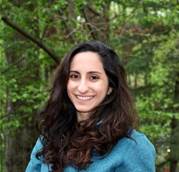
[cid:image001.jpg@01D99A02.0A748200] BME Summer Seminar Series Wednesday, June 14th, 2023 9:30-10:30 AM EST Via Zoom Meeting - link below* Evaluation links: Luis Sanjuan: https://purdue.ca1.qualtrics.com/jfe/form/SV_0SXPXdqmRvRFg2y Elnaz Ghajar-Rahimi: https://purdue.ca1.qualtrics.com/jfe/form/SV_cOqtyvOFetlLIuq RiNCE: A Particle Image Velocimetry Approach for Nanoparticle Characterization Luis Sanjuan (Pavlos Vlachos, advisor) [https://engineering.purdue.edu/ResourceDB/ResourceFiles/image260964/alter?bo...] Abstract: Nanoparticle characterization plays a crucial role in understanding material properties and their possible modifications. Traditional techniques like dynamic light scattering, small-angle X-ray scattering, and fluorescence correlation microscopy are commonly employed to measure properties such as size and diffusion coefficient. However, these methods have limitations in resolution and sensitivity to experimental conditions. In this study, we propose a modified particle image velocimetry (PIV) approach called image-based probability estimation of displacement (iPED) for more accurate and repeatable measurements. iPED demonstrates enhanced accuracy and robustness in estimating the diffusion coefficients of nanoparticles ranging from 200 nm to 1000 nm, without assumptions on particle behavior and shape. Nonetheless, iPED faces limitations when characterizing nanoparticles below 200 nm due to low signal-to-noise ratio (SNR). To address this, we introduce a revised algorithm incorporating robust phase correlation to improve SNR and reduce error in the diffusion coefficient measurements. Monte Carlo analyses reveal a strong statistical correlation between the diffusion coefficient values and various phase plane properties across different SNR levels of synthetic images. These results indicate promising potential for enhancing accuracy and robustness in iPED measurements, which can be extended to other characterization parameters beyond diffusion coefficient. Further investigations are warranted to explore the full capabilities of this improved approach. A Novel Echocardiography Feature-Tracking Algorithm for Automated Aortic Root Diameter Measurements in Pediatric Aortopathy Elnaz Ghajar-Rahimi (Craig Goergen, advisor) [A person smiling in front of trees Description automatically generated with low confidence] Abstract: Transthoracic echocardiography is crucial for diagnosing and monitoring aortic root dilation in patients at risk for aortic dissection and rupture (e.g., Marfan syndrome, bicuspid aortic valve) [1]. Maximum aortic root diameters measured from parasternal long axis (PSLAX) images help classify the severity of aortic root dilation relative to healthy controls, informing pharmacological and/or surgical treatment strategies. However, aortic diameter remains an incomplete characterization of disease status and even small errors in diameter measurements can influence clinical care decisions [2]. Here, we present a novel feature-tracking algorithm that utilizes goodness-of-fit weighting to automatically stabilize PSLAX images, quantify aortic root size, and estimate parameters previously unattainable via standard clinical methods. When compared to standard of care techniques, the algorithm-derived aortic root diameters were highly correlated (r2> 0.96) to measurements made by a board-certified cardiologist. The algorithm stabilized aortic root translation and tracked anterior and posterior surfaces of the aortic root, which allowed for estimation of aortic root behavior between systole and diastole in Marfan Syndrome patients and control patients with no cardiac disease. This novel approach provides a holistic definition of aortic geometry and paves the way for more comprehensively describing aortic root properties. We anticipate that expansion of this algorithm to include additional biomechanical analyses and its application in a larger cohorts of patients will bolster our understanding of vessel wall dynamics and the pathologies underlying pediatric aortopathy. *Join Zoom Meeting https://purdue-edu.zoom.us/j/98231659969?pwd=T21Oa1B6QzFyQzFvckMzS1doNGlJUT0... Meeting ID: 982 3165 9969 Passcode: biomedical Liz Rowen She/Her Graduate Program Assistant Weldon School of Biomedical Engineering Martin C. Jischke Hall of Biomedical Engineering 206 S. Martin Jischke Drive West Lafayette, IN 47907-2032 o: 765-494-1197 [7054E290]<https://www.purdue.edu/?utm_source=signature&utm_medium=email&utm_campaign=purdue> -- Bmeroundtable-list mailing list Bmeroundtable-list@ecn.purdue.edu https://engineering.purdue.edu/ECN/mailman/listinfo/bmeroundtable-list



participants (1)
-
 Gelfand, Johanna K