[Bmeroundtable-list] BME Roundtable - Week of March 4, 2024

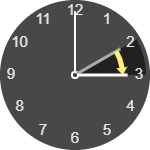
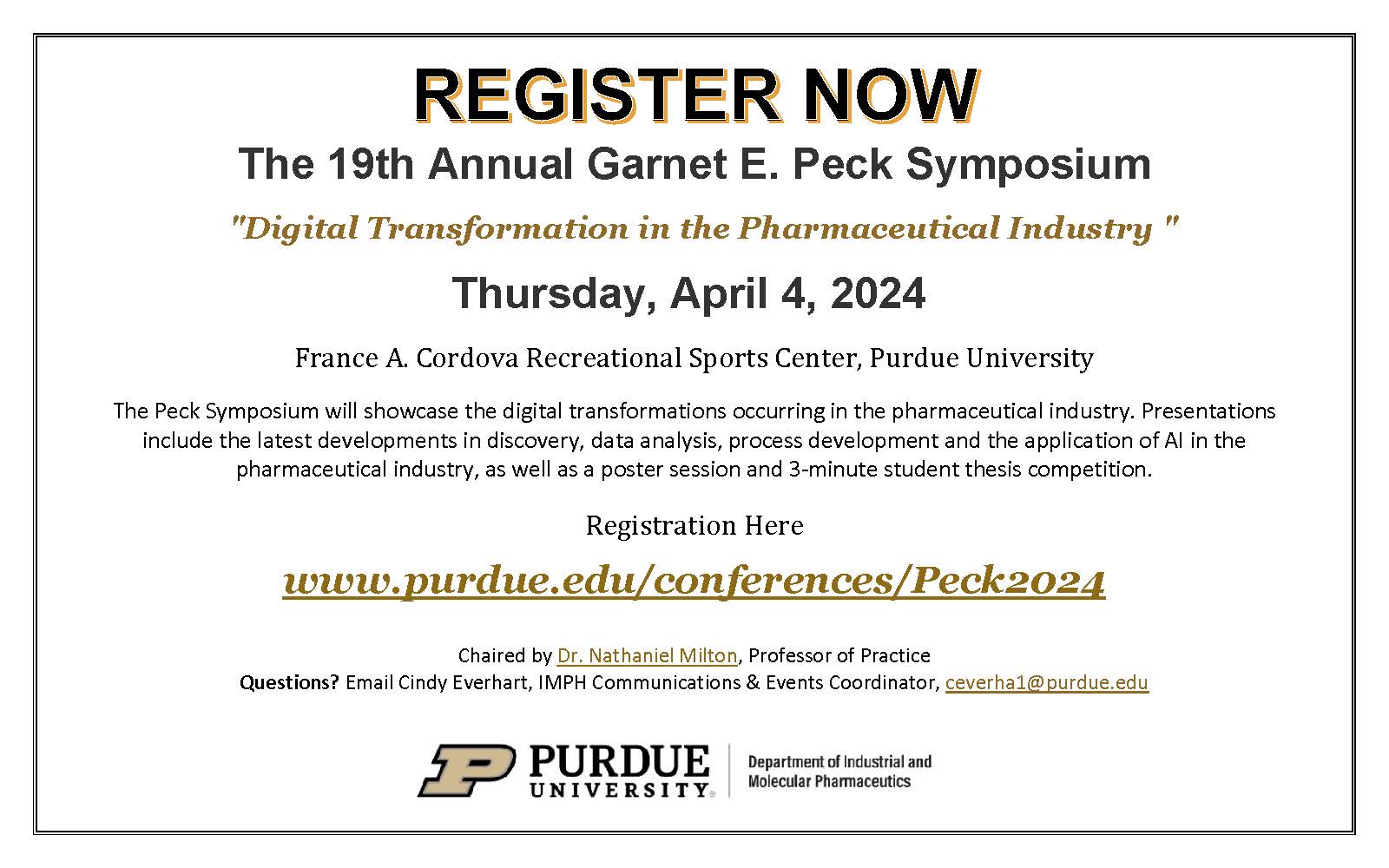
[cid:image001.jpg@01DA7064.855A2950] BME WEEKLY ROUNDTABLE March 4, 2024 INTERIM HEAD’S NOTE This note is the first one in the month of March. Sorry for being late. We all had a busy past week and half with the three campus interviews of the BME Dane A. Miller Head candidates. So, at the beginning of this note, I want to thank all of you for taking part in the interviews. I want to thank Jo for her great effort to make these interviews run smoothly. I want to thank other staff members who helped Jo in the past one week and half. Please take some time to complete the surveys (Jo sent out another email Wednesday morning with links to the three surveys). It is time to have our voice heard. Next, I want to send my warmest regards and my deepest appreciation to all the women in the department (faculty, staff, postdocs, and graduate students). This month is the Women’s History Month. We shall all join in commemorating and encouraging the study, observance, and celebration of the vital role of women in American history and more relevant to us, the vital role of women in the history of the Weldon School of Biomedical Engineering. We are so proud of you. In last Friday’s meeting, we had a nice discussion on the MJIS facilities. Thanks to Young’s leadership and thanks to Susan and Kirk. Over the weekend, I heard that some of the faculty have reached out to Susan and Kirk asking for meetings. We, the department leadership, are here to help facilitate the communication. I personally take on this task to find better ways to improve work experiences for whomever is working in this building and for the Weldon School. I am encouraged by the support I have received so far. We want to investigate the process and technologies that can help improve your work experiences. More to come in May. This is a friendly reminder. I sent out an email last Friday about proposals of COE research priorities in Indianapolis and academic programs in Indianapolis. To propose new program ideas, please complete a short Qualtrics survey by March 15: https://purdue.ca1.qualtrics.com/jfe/form/SV_1YoBsWMrRWrEtkq<https://nam04.safelinks.protection.outlook.com/?url=https%3A%2F%2Fpurdue.ca1.qualtrics.com%2Fjfe%2Fform%2FSV_1YoBsWMrRWrEtkq&data=05%7C02%7Cbmeroundtable-list%40ecn.purdue.edu%7C4a2730ac050a4347be1808dc3ea5abfd%7C4130bd397c53419cb1e58758d6d63f21%7C0%7C0%7C638454130983962426%7CUnknown%7CTWFpbGZsb3d8eyJWIjoiMC4wLjAwMDAiLCJQIjoiV2luMzIiLCJBTiI6Ik1haWwiLCJXVCI6Mn0%3D%7C0%7C%7C%7C&sdata=NZWDIZ67gUBB6erT2yue3fALPbjizmvDG6TXkfO97jo%3D&reserved=0>). Let me know your plan if you are interested. Or feel free to share any thoughts you may have. Human engagement is the key to the IUPUI integration. Now that we have much more clarity on the personnel, it is time to visit the site. I will visit them this Friday and next Friday. There will be events and functions held for Purdue Indianapolis (e.g., Purdue’s for Me on April 19). If you find interest, I encourage you to attend. I am happy to be the facilitator and help coordinate. Our primary committee meetings will be held on 4/12 (Friday) for Associate Professor review and 4/26 (Friday) for Assistant Professors. I want to remind those who are involved (faculty mentors and candidates) to please get your materials ready. UPCOMING IMPORTANT DATES Week of March 4 Tues., March 5: Purdue Engineering Frontiers Lecture Series, Arun Gupta, CEO and Board Member for the NobleReach Foundation will present ‘Venture Meets Mission” on Tuesday, March 5th, at 2:30 p.m. in the ARMS Atrium. The lecture will be followed by a panel discussion from 3:30-4:00 p.m. Register at: https://purdue.ca1.qualtrics.com/jfe/form/SV_d4gRG9fVhj5ao2q?utm_source=delivra&utm_medium=email&utm_campaign=PEFLS%20-%20Arun%20Gupta%20-%20March%205%2C%202024%20-%20Reminder&utm_id=45888109<https://nam04.safelinks.protection.outlook.com/?url=https%3A%2F%2Fpurdue.ca1.qualtrics.com%2Fjfe%2Fform%2FSV_d4gRG9fVhj5ao2q%3Futm_source%3Ddelivra%26utm_medium%3Demail%26utm_campaign%3DPEFLS%2520-%2520Arun%2520Gupta%2520-%2520March%25205%252C%25202024%2520-%2520Reminder%26utm_id%3D45888109&data=05%7C02%7Cbmeroundtable-list%40ecn.purdue.edu%7C4a2730ac050a4347be1808dc3ea5abfd%7C4130bd397c53419cb1e58758d6d63f21%7C0%7C0%7C638454130983962426%7CUnknown%7CTWFpbGZsb3d8eyJWIjoiMC4wLjAwMDAiLCJQIjoiV2luMzIiLCJBTiI6Ik1haWwiLCJXVCI6Mn0%3D%7C0%7C%7C%7C&sdata=lV9uEnXtCSfoLEj5VlQm7xVs2kvRlkIvCD8qT2YF93Q%3D&reserved=0> Wed., March 6: BME Distinguished Research Seminar Series, 9:30 a.m., MJIS 1001. (NOTE LOCATION CHANGE!) Melissa Lambeth Kemp, PhD, Carol Ann & David D. Flanagan Professor of Biomedical Engineering, Wallace H. Coulter Department of Biomedical Engineering, Georgia Tech and Emory University will present “Redox systems biology: Computational strategies for predicting cancer therapeutic responses” Wed., March 6: BME PhD Preliminary Exam Announcement for Damilola C. Lawore (D. Brubaker and L. Green, co-advisors). Everyone is invited to attend the public presentation beginning at 2:30 PM in MJIS 2001. Title: Characterizing the anticancer potential of vaginal microbes and metabolites. Wed., March 6: Purdue Engineering Distinguished Lecture Series. Karen Willcox, Director, Oden Institute for Computational Engineering and Sciences, Associate Vice President for Research, and Professor of Aerospace Engineering and Engineering Mechanics, The University of Texas at Austin will present “From Reduced-Order Modeling to Scientific Machine Learning: How Computational Science is Enabling the Design of Next-Generation Engineering Systems” on Wednesday, March 6 at 2:00 p.m. in the ARMS Atrium. It will be followed by a panel discussion: ComputEs-X: Computational Engineering and Science Next from 3:00-4:00 p.m. in the ARMS Atrium. This seminar is hosted by the College of Engineering, and School of Mechanical Engineering. Register at bit.ly/pedls-willcox Thurs., March 7: PhD Thesis Defense, 1:00 p.m., Drug Discovery Lobby Conference Room. PULSe student Javier Munoz Briones will present “Systems Modeling of Host Microbiome Interactions in Inflammatory Bowel Disease.” PI: Dr. Douglas Brubaker. All are invited to attend. Thurs., March 7: Seminars in Hearing Research, will host Pasquale Bottalico, Associate Professor at the University of Illinois Urbana-Champaign on Thursday, March 7 at 12:00 p.m. in Nelson Hall, Room 1215. His presentation is entitled "Classroom acoustics for enhancing students' understanding when a teacher suffers from a dysphonic voice." Fri., March 8: Bottorff Graduate Fellowship Program Applications due. Please see the attached Bottorff Fellowship application form for Summer 2024. The Bottorff Graduate Fellowship Program is designed to increase the number of Purdue doctoral engineering students focused on medical technology innovation and clinical translation. Funds to support a summer clinical immersion experience are available to help students gain clinical exposure at the Indiana University School of Medicine (IUSM). This full-time 8-week summer clinical immersion experience will be followed by a fall class focused on biomedical product translation (BME 56100 Preclinical and Clinical Study Design or BME 59500 Biomedship). Finally, a spring Regulatory class will help fellows understand the workings of the US FDA and other regulatory agencies and the steps needed for clinical translation. Applications are due by Friday, March 8th. Contact Aaron Lottes (lottes@purdue.edu<mailto:lottes@purdue.edu>) or Craig Goergen (cgoergen@purdue.edu<mailto:cgoergen@purdue.edu>) for questions about the program. Fri., March 8: BME Master's Defense Announcement for Nina Render (D. Brubaker, Chair), 2:00 p.m., MJIS 2001 and via Zoom. Title: Characterizing Vaginal Microbiome Regulation of Progesterone Receptor Expression via Secondary Analysis of Host and Microbiome Multi-omics Data. MJIS ALERT [cid:image002.png@01DA7064.855A2950] Daylight Savings Time Ends, Sun., March 10, 2:00 a.m. DON’T FORGET TO CHANGE YOUR CLOCKS! “Spring Ahead, Fall Behind.” MJIS Air Handling Shutdown, Tues., March 12 beginning at 7:30 AM and lasting until approx. 3:00 PM for preventative maintenance of the building’s air systems. This includes air ventilation supplies to all public, classroom and research areas, including chemical fume hoods. There should be NO chemicals used anywhere! All chemical fume hood activity should terminate by 5 PM Monday March 11th. You must make sure all chemical containers are sealed at that time. Chemical fume hoods will have notices posted - do not resume activity until BME staff have verified that work is complete, and have removed postings. FACULTY: Future Faculty Mentors Needed Dear Engineering Faculty- We need your help: Come mentor the next generation of your academic colleagues! The Purdue Engineering Office of Graduate Education and the Engineering Academic Career Club (EACC<https://boilerlink.purdue.edu/organization/eacc>) are running Summer Mentoring Circles. Now in its fifth year, this program aims to help graduate students and postdocs identify action steps towards future faculty careers. What: Mentoring Circles will be made of two professors and 4-6 graduate students or postdocs. EACC provides group circles with sample schedule, recommended discussion topics, Zoom room breakout rooms and technology support. Your role is to come and share your experiences and recommendations (no prep required!). See a news article/photo from the celebration of 2022’s program here<https://engineering.purdue.edu/Engr/AboutUs/News/Spotlights/2022/2022-0818-EACC-mentoring>. When: Meet twice a month for 1hr from May to August (8 meetings total, dates below). Where: Virtual on Zoom. Faculty Mentor Survey Deadline: Wednesday March 12, 2024 by midnight. Mentor Sign up here: https://purdue.ca1.qualtrics.com/jfe/form/SV_bvII1eiiGPjOfP0<https://nam04.safelinks.protection.outlook.com/?url=https%3A%2F%2Fpurdue.ca1.qualtrics.com%2Fjfe%2Fform%2FSV_bvII1eiiGPjOfP0&data=05%7C02%7Cbmeroundtable-list%40ecn.purdue.edu%7C4a2730ac050a4347be1808dc3ea5abfd%7C4130bd397c53419cb1e58758d6d63f21%7C0%7C0%7C638454130983962426%7CUnknown%7CTWFpbGZsb3d8eyJWIjoiMC4wLjAwMDAiLCJQIjoiV2luMzIiLCJBTiI6Ik1haWwiLCJXVCI6Mn0%3D%7C0%7C%7C%7C&sdata=c3XOooOAo%2Blt5vhGpyZQMVBa0wiurI%2BZfXTBCFOxu7o%3D&reserved=0> Important Dates: Required Virtual Kickoff for mentors and mentees - Wednesday April 24, 2024; 12:30-1:30pm (After submitting your application - let Jackie know if you might have a conflict with this at jem@purdue.edu<mailto:jem@purdue.edu>). Groups meet twice a month on the following dates from 12:30-1:30pm (1hr; flexibility allowed if needed): Wed May 8, 2024 Wed May 22, 2024 Wed June 5, 2024 Wed June 19, 2024 Wed July 10, 2024 Wed July 24, 2024 Wed August 7, 2024 (End of the Summer Celebration; hybrid) The goal of this Mentoring Circle program is for graduate students/postdocs to identify achievable goals for themselves, which will help them establish a timeline from PhD to Professorship. What past mentees are saying: “I think the program is absolutely amazing and I’m so glad I was a part of it. My faculty members were the best. And I’m so grateful to them for their words, advice and most importantly, their time.” – Past mentee “I not only got an insight into what it is like to be a faculty member, but also came to know about the application process and got help on how to write a research statement and a CV.” – Past mentee Please let me know if have any questions. Thank you in advance for your time, Jackie Want your graduate students/postdocs to also be involved? The Grad Student/Postdoc EACC Summer Mentee Application can be found here. <https://nam04.safelinks.protection.outlook.com/?url=https%3A%2F%2Fpurdue.ca1.qualtrics.com%2Fjfe%2Fform%2FSV_d5spSYMEeEq3kcm&data=05%7C02%7Cbmeroundtable-list%40ecn.purdue.edu%7C4a2730ac050a4347be1808dc3ea5abfd%7C4130bd397c53419cb1e58758d6d63f21%7C0%7C0%7C638454130983962426%7CUnknown%7CTWFpbGZsb3d8eyJWIjoiMC4wLjAwMDAiLCJQIjoiV2luMzIiLCJBTiI6Ik1haWwiLCJXVCI6Mn0%3D%7C0%7C%7C%7C&sdata=6P%2FghfoYn913jnnGWKfFVX7WaMNkZTUUqNQOCmbw1ac%3D&reserved=0> P.S. While we are unable to offer compensation for mentoring, at the end of program celebration we do hope to serve you a great lunch, provide you with thank you swag and a free future faculty oriented book. Jacqueline E. McDermott, Ph.D. Associate Director of Graduate Diversity and Inclusion Purdue University College of Engineering - Graduate Education Pronouns: she/her/hers jem@purdue.edu<mailto:jem@purdue.edu> 2024 BME Research Symposium: Innovations in Biomedical Engineering BMEGSA is excited to announce the 2024 BME Research Symposium to be held on April 16th, 2024 in the Hall for Discovery Learning Research (DLR) in Room 131 from 9:30 a.m. – 4:30 p.m. Abstracts submissions are now open! All BME-affiliated undergraduate, post-bacs, and graduate students are welcomed to submit an abstract. The submission is open to both West Lafayette and Indianapolis campus. All abstract submissions are due by March 19th at 11:59pm on the submission portal<https://nam04.safelinks.protection.outlook.com/?url=https%3A%2F%2Fdocs.google.com%2Fforms%2Fd%2Fe%2F1FAIpQLSfAtf86rbfKIGbZ_WYcSve0OOwQn0ZoXOmb6VwO86nO5YVJ_A%2Fviewform%3Fusp%3Dsf_link&data=05%7C02%7Cbmeroundtable-list%40ecn.purdue.edu%7C4a2730ac050a4347be1808dc3ea5abfd%7C4130bd397c53419cb1e58758d6d63f21%7C0%7C0%7C638454130983962426%7CUnknown%7CTWFpbGZsb3d8eyJWIjoiMC4wLjAwMDAiLCJQIjoiV2luMzIiLCJBTiI6Ik1haWwiLCJXVCI6Mn0%3D%7C0%7C%7C%7C&sdata=UWVUe1OEG%2B7BsSRaqQK9P5lxzfvJD190hocctCptXMw%3D&reserved=0>. We encourage all students to apply, and please ensure your abstract follows the directions provided in this email. There will be cash prizes and awards for the top oral and poster presentations! For all attendees, please complete the registration form for the BME Symposium, which can be found here<https://nam04.safelinks.protection.outlook.com/?url=https%3A%2F%2Fdocs.google.com%2Fforms%2Fd%2Fe%2F1FAIpQLSdllfpzKnZOEpL3LyIio8TwFl1XvSLBLWPyuaCUmKIe4fRuvg%2Fviewform%3Fusp%3Dsf_link&data=05%7C02%7Cbmeroundtable-list%40ecn.purdue.edu%7C4a2730ac050a4347be1808dc3ea5abfd%7C4130bd397c53419cb1e58758d6d63f21%7C0%7C0%7C638454130983962426%7CUnknown%7CTWFpbGZsb3d8eyJWIjoiMC4wLjAwMDAiLCJQIjoiV2luMzIiLCJBTiI6Ik1haWwiLCJXVCI6Mn0%3D%7C0%7C%7C%7C&sdata=JQYB37PMoyga3hSQWRZ1EicA69CLpcZdGn6%2BmN3YMlY%3D&reserved=0>. There is no cost to register for the symposium. If you have any questions, please reach out to Brendan (bbkazu@purdue.edu<mailto:bbkazu@purdue.edu>) or Lizzy (frazie34@purdue.edu<mailto:frazie34@purdue.edu>) via email. Upcoming important deadlines and information Mon., March 11 – Friday, March 15: Spring Break. Tues., March 12: MJIS Air Handling Shutdown, beginning at 7:30 AM and lasting until approx. 3:00 PM for preventative maintenance of the building’s air systems. This includes air ventilation supplies to all public, classroom and research areas, including chemical fume hoods. There should be NO chemicals used anywhere! All chemical fume hood activity should terminate by 5 PM Monday March 11th. You must make sure all chemical containers are sealed at that time. Chemical fume hoods will have notices posted - do not resume activity until BME staff have verified that work is complete, and have removed postings. Mon., March 18: Engineering in Medicine Pediatrics Research Symposium, 10:00 am – 3:00 pm, Joseph E. Walther Hall, R3 C203, 980 W. Walnut St, Indianapolis. The day will include scientific sessions, networking, a poster session and expert panels on industry partnerships, leveraging resources, and success stories. Register by March 7th: https://redcap.link/nixel8sz<https://nam04.safelinks.protection.outlook.com/?url=https%3A%2F%2Fredcap.link%2Fnixel8sz&data=05%7C02%7Cbmeroundtable-list%40ecn.purdue.edu%7C4a2730ac050a4347be1808dc3ea5abfd%7C4130bd397c53419cb1e58758d6d63f21%7C0%7C0%7C638454130983962426%7CUnknown%7CTWFpbGZsb3d8eyJWIjoiMC4wLjAwMDAiLCJQIjoiV2luMzIiLCJBTiI6Ik1haWwiLCJXVCI6Mn0%3D%7C0%7C%7C%7C&sdata=D8yeHavoh5HaK7pXDa4G7trPoFSIicFGBJzq0bSWi%2FM%3D&reserved=0> The Symposium is sponsored by Crossroads Pediatric Device Consortium, The Indiana University School of Medicine, and Purdue University College of Engineering. Mon., March 18: BME PhD Preliminary Exam Announcement for Madeline McLaughlin (C. Evans-Molina and F. Huang, co-advisors). Everyone is invited to attend the public presentation beginning at 2:00 pm via Zoom. Research Title: STIM1 Interacts with G Protein-Coupled Estrogen Receptor Signaling to Maintain Beta Cell Identity in Female Mice. Tues., March 19: Abstracts submissions for the 2024 BME Research Symposium: Innovations in Biomedical Engineering are due by March 19th at 11:59pm on the submission portal<https://nam04.safelinks.protection.outlook.com/?url=https%3A%2F%2Fdocs.google.com%2Fforms%2Fd%2Fe%2F1FAIpQLSfAtf86rbfKIGbZ_WYcSve0OOwQn0ZoXOmb6VwO86nO5YVJ_A%2Fviewform%3Fusp%3Dsf_link&data=05%7C02%7Cbmeroundtable-list%40ecn.purdue.edu%7C4a2730ac050a4347be1808dc3ea5abfd%7C4130bd397c53419cb1e58758d6d63f21%7C0%7C0%7C638454130983962426%7CUnknown%7CTWFpbGZsb3d8eyJWIjoiMC4wLjAwMDAiLCJQIjoiV2luMzIiLCJBTiI6Ik1haWwiLCJXVCI6Mn0%3D%7C0%7C%7C%7C&sdata=UWVUe1OEG%2B7BsSRaqQK9P5lxzfvJD190hocctCptXMw%3D&reserved=0>. All BME-affiliated undergraduate, post-bacs, and graduate students are welcomed to submit an abstract. The submission is open to both West Lafayette and Indianapolis campuses. We encourage all students to apply, and please ensure your abstract follows the directions provided in this email. There will be cash prizes and awards for the top oral and poster presentations! The Symposium will take place on April 16 in the Hall for Discovery Learning, Room 131. If you have any questions, please reach out to Brendan (bbkazu@purdue.edu<mailto:bbkazu@purdue.edu>) or Lizzy (frazie34@purdue.edu<mailto:frazie34@purdue.edu>) via email. Tues., March 26: Celebrating Our Associate Professors, 11:30 a.m. – 1:00 p.m., STEW 279. Leaving no good deed unknown, the College of Engineering is pleased to present its Spring 2024 Celebrating Our Associate Professors lunch sessions. Each event in the series features recently tenured Associate Professors making brief presentations on aspects of their teaching/learning, research and/or engagement activities and reflecting on the paths and decisions they took toward their success. There will also be opportunities to have conversations about the presented work with colleagues in attendance. BME’s own Yunjie Tong will be celebrated on March 26th. Register here: https://purdue.ca1.qualtrics.com/jfe/form/SV_9ytEE0HwCqPig0S?_ga=2.125908997.903406085.1707744210-678665806.1706901767&utm_source=delivra&utm_medium=email&utm_campaign=COAP%20-%20Spring%202024%20-%20March&utm_id=45880097<https://nam04.safelinks.protection.outlook.com/?url=https%3A%2F%2Fpurdue.ca1.qualtrics.com%2Fjfe%2Fform%2FSV_9ytEE0HwCqPig0S%3F_ga%3D2.125908997.903406085.1707744210-678665806.1706901767%26utm_source%3Ddelivra%26utm_medium%3Demail%26utm_campaign%3DCOAP%2520-%2520Spring%25202024%2520-%2520March%26utm_id%3D45880097&data=05%7C02%7Cbmeroundtable-list%40ecn.purdue.edu%7C4a2730ac050a4347be1808dc3ea5abfd%7C4130bd397c53419cb1e58758d6d63f21%7C0%7C0%7C638454130984118174%7CUnknown%7CTWFpbGZsb3d8eyJWIjoiMC4wLjAwMDAiLCJQIjoiV2luMzIiLCJBTiI6Ik1haWwiLCJXVCI6Mn0%3D%7C0%7C%7C%7C&sdata=uppWNQPYoO8P3ujq6ifVZDcz1GcvQGx8YkQg4Eeywis%3D&reserved=0> Thurs., April 4: 19th Annual Garnet E. Peck Symposium, France A. Cordova Recreational Sports Center. Registration now open: www.purdue.edu/conferences/Peck2024<http://www.purdue.edu/conferences/Peck2024> . The Peck Symposium will showcase the digital transformations occurring in the pharmaceutical industry. Presentations include the latest developments in discovery, data analysis, process development and the application of AI in the pharmaceutical industry, as well as a poster session and 3-minute student thesis competition. Chaired by Dr. Nathaniel Milton, Professor of Practice. Questions? Email Cindy Everhart, IMPH Communications & Events Coordinator, ceverha1@purdue.edu<mailto:ceverha1@purdue.edu> Sat., April 6: E-Waste Day, 8:00 a.m. – 2:00 p.m., Tippecanoe County Fairgrounds (1190 Teal Road, Lafayette). Our bi-annual e-waste event is back on April 6th from 8am-2pm at the Tippecanoe County Fairgrounds! This event includes FREE electronics recycling, paper shredding, and medicine disposal for Tippecanoe County residents! Details on E-waste Recycling: Tippecanoe County residents may bring in electric and electronic devices such as TVs, computers, laptops, vacuum cleaners, printers, etc. for recycling at no charge. We will NOT accept items with refrigerant such as AC units, refrigerators, dehumidifiers, or freezers. We will NOT accept large appliances such as washing machines or stoves. Those can be recycled at Oscar Winski Scrap Metal at 2407 N 9th St. All attendees must show proof of Tippecanoe County residency to receive free service. Details on paper shredding: A paper shredding truck will be on-site to accept up to two banker boxes of paper to shred and recycle from each car. Just pull up, dump your box in the bin, and that's it! Paper clips, staples, folders, and file tabs are A-OK! Please remove binders and alligator clips. Details on medicine take-back: The Tippecanoe County Sheriff's Department will also be here to accept any unused or expired medicines. Over-the-counter and prescription (including controlled substances) are accepted. It will be dumped out onsite, so bring it loose if possible! All of your medicines will be destroyed and disposed of safely. We will not take liquids, needles of any kind, insulin, or powders. We will have volunteers on hand to unload your electronics. Please have them packed in your vehicle in an easy-to-unload manner so that we can keep the line of cars moving. Wed., April 10: Purdue Engineering Distinguished Lecture Series. Jeffrey Dean, Google Senior Fellow and SVP of Google Research and Google Health, Google Research will present “Machine Learning, AI and Applications of AI.” This seminar is hosted by the College of Engineering, and Elmore Family School of Electrical and Computer Engineering. Register at bit.ly/pedls-dean Fri., June 7: Indiana Human-Centered Design for Health Seminar Series, 12:00 p.m. via Zoom. Lean about research and best practices in HCD and health, promote the diverse HCD expertise in Indiana, and build a community of HCD researchers and practitioners focused on health, in Indiana and beyond. The speaker will be Youngbok Hon, Professor, Herron School of Art and Design, IUPUI. Register and learn about upcoming seminars at healthtechquitylab.org/hcd-seminar Resources and further information Wed., March 6: BME Distinguished Research Seminar Series, 9:30 a.m., MJIS 1001. (NOTE LOCATION CHANGE!) Melissa Lambeth Kemp, PhD, Carol Ann & David D. Flanagan Professor of Biomedical Engineering, Wallace H. Coulter Department of Biomedical Engineering, Georgia Tech and Emory University will present “Redox systems biology: Computational strategies for predicting cancer therapeutic responses” Abstract: Despite the growing number of therapeutic options available for cancer patients, predicting which course of treatment will the best response for an individual is still a major challenge for precision medicine. In this talk, I will describe various computational systems biology strategies that we have developed to investigate heterogeneity of therapeutic responses among cancer patient populations. Our platforms range from genome-scale metabolic flux modeling to single cell kinetic models and agent-based simulations of tumor architecture. The common theme among these diverse approaches is exploring the role of redox systems in amplifying or suppressing cytotoxicity associated with oxidative damage induced by radiation or chemotherapeutics. Our genome-scale models have identified mitochondrial pan-cancer signatures implicated in radiation sensitivity. Single cell simulations reflected significant systems-level differences between the redox states of healthy and cancer cells, demonstrating in some patient samples a targetable cancer cell population or in others statistically indistinguishable effects between non-malignant and malignant cells and highlights the role of alternate antioxidant components in dictating drug-induced oxidative stress. Finally, spatial modeling has helped to identify organizational features of tumor required to fully realize the desired bystander effects of drug-induced reactive oxygen species formation that is observed in quinone-based cycling. Biography: Melissa Lambeth Kemp, Ph.D. is the Carol Ann & David D. Flanagan Professor in the Wallace H. Coulter Department of Biomedical Engineering at Georgia Tech and Emory University, where she has been a member of the faculty since 2006. Her research focuses on the development of computational systems biology methods to investigate two overarching themes in cancer, immunology, and regenerative medicine applications: i) the role of cellular redox metabolism in influencing information processing and cell fate decisions; and ii) modes of communication that drive self-organization in multicellular engineered living systems. Dr. Kemp is currently the research director of a multi-institutional NSF Engineering Research Center in Cell Manufacturing Technologies and is the former co-chair of the NCI Cancer Systems Biology Consortium. Dr. Kemp’s career honors include Georgia Cancer Coalition Distinguished Scholar and NIH New Innovator. ~ BME Host: Elsje Pienaar ~ Wed., March 6: BME PhD Preliminary Exam Announcement for Damilola C. Lawore (D. Brubaker and L. Green, co-advisors). Everyone is invited to attend the public presentation beginning at 2:30 PM in MJIS 2001. Title: Characterizing the anticancer potential of vaginal microbes and metabolites. Thesis Committee members: Dr. Douglas Brubaker, Ph.D. (Co-chair); Dr. Leopold Green, Ph.D. (Co-chair); Dr. Luis Solorio, Ph.D.; Dr. Quihong He, Ph.D. Abstract: The vaginal microbiome plays a crucial role in the risk, progression, and treatment of female cancers, yet our understanding of its complex dynamics remains incomplete. There's a pressing need to develop systematic approaches to unravel how vaginal microbiome components and their products interact with host cells, particularly regarding their therapeutic potential. In response, we propose the Pharmacobiome, a systems biology framework that quantitatively assesses the similarity between vaginal microbes/products and known drugs/small molecules based on their impact on host cellular responses. To test this, we will analyze published vaginal microbiome multi-omics data and establish host vaginal epithelial gene and protein signatures linked to each profiled vaginal microbe/metabolite. We will first compare the established vaginal signatures to FDA-approved anticancer drug perturbation gene signatures to characterize the Anticancer Vaginal Pharmacobiome. Then we compare the established host vaginal epithelial gene and protein signatures to the gene expression profiles associated with human monocyte-to-macrophage polarization to identify vaginal microbes/metabolites with the potential to induce macrophage polarization. Finally, we will engineer a macrophage-bacterial symbiont, where we will embed bacteria in the macrophages, serving as therapeutic controllers against cancer cells. Overall, our proposed research endeavors to overcome the obstacle of lacking knowledge regarding the functions of various microbial species identified in the vaginal environment. This research would underscore the Pharmacobiome's potential in delineating the anticancer therapeutic aspects of vaginal microbiome constituents, with implications extending to diverse cancers, microbiomes, and disease contexts. Thurs., March 7: PhD Thesis Defense, 1:00 p.m., Drug Discovery Lobby Conference Room. PULSe student Javier Munoz Briones will present “Systems Modeling of Host Microbiome Interactions in Inflammatory Bowel Disease.” PI: Dr. Douglas Brubaker. All are invited to attend. Abstract: Inflammatory bowel diseases (IBD) are exhibiting a rising global prevalence influenced by clinical and demographic factors. The pathogenesis of IBD involves complex interactions between gut microbiome dysbiosis, epithelial cell barrier disruption, and immune hyperactivity, which are poorly understood. As sequencing technologies advance, the amount of molecular and compositional data from paired measurements of host and microbiome systems is expanding rapidly. While it has become routine to generate such rich, deep datasets, tools for their interpretation lag behind. Here, I introduce a computational framework for integrative modeling of microbiome multi-omics data titled: Latent Interacting Variable Effects (LIVE) modeling. LIVE combines various types of microbiome multi-omics data using single-omic latent variables (LV) into a structured meta-model to determine the most predictive combinations of multi-omics features predicting an outcome, patient group, or phenotype. I implemented and tested LIVE using a publicly available metagenomic and metabolomics data set from IBD patients in the PRISM and LLDeep cohorts. The findings show that LIVE reduced the number of feature interactions from the original datasets to tractable numbers and facilitated prioritization of biological associations between microbes, metabolites, enzymes, clinical variables, and a disease status outcome. A novel application of the supervised LIVE framework was to extract causal insights into how gut microbes and metabolites regulate host estrogen receptor β (ERβ) signaling, and study the gut microbiome effects on ERβ protective role against ulcerative colitis. Supervised LIVE successfully identified synergistic relationships between metabolites and microbiota suppressors of ER[cid:image006.png@01DA7064.9FB80A10] signaling in the context of ulcerative colitis. Experimental validation using female epithelial gut organoids and HT-29 colon cancer cell lines confirmed the model predictions. The inhibitory effects on ERβ signaling by specific gut microbiome interactions were determined through a persistent upregulation of biomarkers of inflammation in IBD. This suggests that the interaction of particular gut microbiome features could elevate the risk of developing ulcerative colitis. LIVE modeling makes a distinct and complementary contribution to the current methods to integrate microbiome data, transforming an artificial intelligence-generated big data hypothesis into testable experimental predictions. It is achieved due to its flexibility to adapt to different types of microbiome multi-omics data and disease models, scalability for large and small cohort studies via reliance on latent variables and dimensionality reduction, and the intuitive interpretability of the meta-model integrating -omic data types. Thurs., March 7: Seminars in Hearing Research, will host Pasquale Bottalico, Associate Professor at the University of Illinois Urbana-Champaign on Thursday, March 7 at 12:00 p.m. in Nelson Hall, Room 1215. His presentation is entitled "Classroom acoustics for enhancing students' understanding when a teacher suffers from a dysphonic voice." Abstract: The purpose of this project is to assess the acoustical conditions in which optimal intelligibility and low listening difficulty can be achieved in real classrooms for elementary students, taking into consideration the effects of dysphonic voice and typical classroom noise. Speech intelligibility tests were performed in six elementary classrooms with 80 normal-hearing students aged 7–11 years. The speech material was produced by a female actor using a normal voice quality and simulating a dysphonic voice. The stimuli were played by a Head and Torso Simulator. Child babble noise and classrooms with different reverberation times were used to obtain a Speech Transmission Index (STI) range from 0.2 to 0.7, corresponding to the categories bad, poor, fair, and good. The results showed a statistically significant decrease in intelligibility when the speaker was dysphonic, in STI higher than 0.33. The rating of listening difficulty showed a significantly greater difficulty in perceiving the dysphonic voice. In addition, younger children showed poorer performance and greater listening difficulty compared with older children when listening to the normal voice quality. Both groups were equally impacted when the voice was dysphonic. The results suggested that better acoustic conditions are needed for children to reach a good level of intelligibility and to reduce listening difficulty if the teacher is suffering from voice problems. This was true for children regardless of grade level, highlighting the importance of ensuring more favorable acoustic conditions for children throughout all elementary schools. This year’s SHRP schedule is available here: https://purdue.edu/TPAN/hearing/shrp_schedule<https://nam04.safelinks.protection.outlook.com/?url=http%3A%2F%2Fogww.mj.am%2Flnk%2FAU8AAEukm7AAAchk2HAAALFJlZgAAYCsFQMAnDnUAATD7ABh_T90ybQipdUVQZ20y9CAzjYFPgAEkSo%2F5%2FVzPUtXKo0Dowllp_TK_BrQ%2FaHR0cHM6Ly9wdXJkdWUuZWR1L1RQQU4vaGVhcmluZy9zaHJwX3NjaGVkdWxl&data=05%7C02%7Cbmeroundtable-list%40ecn.purdue.edu%7C4a2730ac050a4347be1808dc3ea5abfd%7C4130bd397c53419cb1e58758d6d63f21%7C0%7C0%7C638454130984118174%7CUnknown%7CTWFpbGZsb3d8eyJWIjoiMC4wLjAwMDAiLCJQIjoiV2luMzIiLCJBTiI6Ik1haWwiLCJXVCI6Mn0%3D%7C0%7C%7C%7C&sdata=4%2FsmKxZeDK4cnhiujfto1x%2BB2o069uRElJh6CX4ce%2FE%3D&reserved=0> Titles and abstracts of all SHRP talks are here: https://purdue.edu/TPAN/hearing/shrp_abstracts<https://nam04.safelinks.protection.outlook.com/?url=http%3A%2F%2Fogww.mj.am%2Flnk%2FAU8AAEukm7AAAchk2HAAALFJlZgAAYCsFQMAnDnUAATD7ABh_T90ybQipdUVQZ20y9CAzjYFPgAEkSo%2F6%2Fa2vUEcd_J6SQbZdR8Ley5Q%2FaHR0cHM6Ly9wdXJkdWUuZWR1L1RQQU4vaGVhcmluZy9zaHJwX2Fic3RyYWN0cw&data=05%7C02%7Cbmeroundtable-list%40ecn.purdue.edu%7C4a2730ac050a4347be1808dc3ea5abfd%7C4130bd397c53419cb1e58758d6d63f21%7C0%7C0%7C638454130984118174%7CUnknown%7CTWFpbGZsb3d8eyJWIjoiMC4wLjAwMDAiLCJQIjoiV2luMzIiLCJBTiI6Ik1haWwiLCJXVCI6Mn0%3D%7C0%7C%7C%7C&sdata=GZjNfCuXSAAtfoGiSgnvDRavXcjaysQ2V1g1HcxeBS4%3D&reserved=0> Fri., March 8: BME Master's Defense Announcement for Nina Render (D. Brubaker, Chair), 2:00 p.m., MJIS 2001 and via Zoom. Title: Characterizing Vaginal Microbiome Regulation of Progesterone Receptor Expression via Secondary Analysis of Host and Microbiome Multi-omics Data. Committee: Douglas K. Brubaker (chair) PhD, Leopold N. Green PhD, Alicia Berard PhD Abstract: The mechanisms by which the vaginal microbiome regulates female sex hormones, such as progesterone, are not well understood. This study seeks to understand how the vaginal microbiome regulates progesterone receptor (PGR) expression via secondary analysis of host and vaginal microbiome multi-omics data from the Partners PrEP cohort. Partial Least Squares Regression (PLSR) models were created for each biological data type (microbial composition, metabolomics, metaproteomics) to assess how these factors regulate PGR expression. Significant factors were identified through variable importance of projection (VIP) and correlation analysis. Partial correlation analysis and follow-up PLSR models incorporating clinical and demographic variables were performed to assess the robustness of the vaginal microbiome-PGR associations. The PLSR models indicated lower PGR expression was associated with G. vaginalis, and higher PGR expression was associated with Lactobacillus species. Cytosine, guanine, and tyrosine were among metabolites significantly associated with higher PGR expression and experimentally determined to be produced by Lactobacillus species. Conversely, citrulline and succinate were associated with lower PGR expression and experimentally determined to be produced by G. vaginalis. The models indicated that bacterial metabolic pathways involved in glucose metabolism, such as glucagon signaling and starch and sugar metabolism, may regulate PGR expression. Clinical phenotypes did not significantly alter the association between the biological explanatory variables and PGR expression. It is proposed that progesterone in the host regulates sugar metabolic pathways in vaginal microbiome bacteria, which produce metabolites that regulate PGR expression back in the host. Furthermore, how vaginal microbiome metabolites regulate PGR signaling is dependent upon microbial composition. The models suggest vaginal microbiome factors could play a role in gynecological conditions where progesterone signaling is suppressed. Future experimental work is needed to validate the results of these models and support their use as predictive tools to understand the role of the vaginal microbiome. Zoom link: https://purdue-edu.zoom.us/j/3663959794<https://nam04.safelinks.protection.outlook.com/?url=https%3A%2F%2Fpurdue-edu.zoom.us%2Fj%2F3663959794&data=05%7C02%7Cbmeroundtable-list%40ecn.purdue.edu%7C4a2730ac050a4347be1808dc3ea5abfd%7C4130bd397c53419cb1e58758d6d63f21%7C0%7C0%7C638454130984118174%7CUnknown%7CTWFpbGZsb3d8eyJWIjoiMC4wLjAwMDAiLCJQIjoiV2luMzIiLCJBTiI6Ik1haWwiLCJXVCI6Mn0%3D%7C0%7C%7C%7C&sdata=qrCvAMjRk%2FNoFbJ8Yei%2B2XsUBB29a9GpY4giwJWlLio%3D&reserved=0> Mon., March 18: BME PhD Preliminary Exam Announcement for Madeline McLaughlin (C. Evans-Molina and F. Huang, co-advisors). Everyone is invited to attend the public presentation beginning at 2:00 pm via Zoom. Research Title: STIM1 Interacts with G Protein-Coupled Estrogen Receptor Signaling to Maintain Beta Cell Identity in Female Mice. Committee Members: Dr. Carmella Evans-Molina (Co-Chair), Dr. Fang Huang (Co-Chair), Dr. Sherry Harbin, and Dr. Qing Deng Abstract: Type 2 diabetes (T2D) is a global health pandemic resulting from a combination of defective insulin secretion and impaired insulin action in peripheral tissues; however, genetic and physiologic data suggest that inadequate insulin secretion from the b cell is the chief determinant predicting T2D development. Studies have identified b cell dedifferentiation as one potential mechanism leading to b cell failure. During dedifferentiation, b cells lose expression of key identity markers and insulin secretory function and may differentiate into other endocrine cell types. At present, the molecular mechanisms leading to b cell dedifferentiation are not well understood. Calcium (Ca2+) plays a vital role in regulating b cell health and function, and the endoplasmic reticulum (ER) serves as the dominant Ca2+ store. ER Ca2+ depletion triggers the rescue mechanism store-operated Ca2+ entry (SOCE) which replenishes ER Ca2+ stores through the ER-localized Ca2+ sensor stromal interaction molecule 1 (STIM1). Our laboratory recently found that obese female mice with reduced SOCE due to b cell-specific genetic deletion of STIM1 had evidence of b cell dedifferentiation and reduced G protein coupled estrogen receptor (GPER) expression, suggesting an interaction between SOCE, GPER signaling, and b cell identity. Therefore, we hypothesize that decreased SOCE leads to reduced GPER signaling and loss of b cell identity and function, thereby contributing to the pathophysiology of T2D in females. We propose using an ovariectomy mouse model and novel imaging methods to test this hypothesis and identify a novel mechanism linking SOCE and GPER signaling to b cell failure during T2D. Zoom Link: https://iu.zoom.us/j/8318926012<https://nam04.safelinks.protection.outlook.com/?url=https%3A%2F%2Fiu.zoom.us%2Fj%2F8318926012&data=05%7C02%7Cbmeroundtable-list%40ecn.purdue.edu%7C4a2730ac050a4347be1808dc3ea5abfd%7C4130bd397c53419cb1e58758d6d63f21%7C0%7C0%7C638454130984118174%7CUnknown%7CTWFpbGZsb3d8eyJWIjoiMC4wLjAwMDAiLCJQIjoiV2luMzIiLCJBTiI6Ik1haWwiLCJXVCI6Mn0%3D%7C0%7C%7C%7C&sdata=0cO5PAr5hHnAWN9DerkQZiRZUSB1K5WJyS2kUD4VGM4%3D&reserved=0> BME Distinguished Seminar Series, 9:30 a.m., MRGN 121 (NOTE LOCATION CHANGE) or via Zoom. Zoom link: https://purdue-edu.zoom.us/j/5593290378?pwd=eFBOZFlNTU50ZDA2S2gwcnpyOWIwUT09<https://nam04.safelinks.protection.outlook.com/?url=https%3A%2F%2Fpurdue-edu.zoom.us%2Fj%2F5593290378%3Fpwd%3DeFBOZFlNTU50ZDA2S2gwcnpyOWIwUT09&data=05%7C02%7Cbmeroundtable-list%40ecn.purdue.edu%7C4a2730ac050a4347be1808dc3ea5abfd%7C4130bd397c53419cb1e58758d6d63f21%7C0%7C0%7C638454130984118174%7CUnknown%7CTWFpbGZsb3d8eyJWIjoiMC4wLjAwMDAiLCJQIjoiV2luMzIiLCJBTiI6Ik1haWwiLCJXVCI6Mn0%3D%7C0%7C%7C%7C&sdata=aIQpqrn8NtRDgdiIKzlbRALzwRItL2EfZvJGkx1EjeI%3D&reserved=0> Note: Students registered for the seminar are expected to attend in-person. Week # Date Speaker Title Host Website 9 3/6/2024 Melissa Kemp Carol Ann and David D. Flanagan Professor, Georgia Cancer Coalition Distinguished Cancer Scholar, Georgia Tech Elsje Pienaar https://bme.gatech.edu/bme/faculty/Melissa-Kemp<https://nam04.safelinks.protection.outlook.com/?url=https%3A%2F%2Fbme.gatech.edu%2Fbme%2Ffaculty%2FMelissa-Kemp&data=05%7C02%7Cbmeroundtable-list%40ecn.purdue.edu%7C4a2730ac050a4347be1808dc3ea5abfd%7C4130bd397c53419cb1e58758d6d63f21%7C0%7C0%7C638454130984118174%7CUnknown%7CTWFpbGZsb3d8eyJWIjoiMC4wLjAwMDAiLCJQIjoiV2luMzIiLCJBTiI6Ik1haWwiLCJXVCI6Mn0%3D%7C0%7C%7C%7C&sdata=nXTYGGdGrgZBksVZFEjxf%2Fo41qlt8EmWEg7IqVoAHAw%3D&reserved=0> 10 3/20/2024 Jerome Mertz Professor, Biomedical Engineering, Boston University Krishna Jayant https://www.bu.edu/csn/profile/jerome-mertz/<https://nam04.safelinks.protection.outlook.com/?url=https%3A%2F%2Fwww.bu.edu%2Fcsn%2Fprofile%2Fjerome-mertz%2F&data=05%7C02%7Cbmeroundtable-list%40ecn.purdue.edu%7C4a2730ac050a4347be1808dc3ea5abfd%7C4130bd397c53419cb1e58758d6d63f21%7C0%7C0%7C638454130984118174%7CUnknown%7CTWFpbGZsb3d8eyJWIjoiMC4wLjAwMDAiLCJQIjoiV2luMzIiLCJBTiI6Ik1haWwiLCJXVCI6Mn0%3D%7C0%7C%7C%7C&sdata=AUtyntRYB5DaZkv%2B8X1jKew2FZz%2FTwgYcMitpXGGT%2Fc%3D&reserved=0> 11 3/27/2024 Mikhail G. Shaprio Professor of Chemical Engineering, Caltech Krishna Jayant https://cce.caltech.edu/people/mikhail-g-shapiro<https://nam04.safelinks.protection.outlook.com/?url=https%3A%2F%2Fcce.caltech.edu%2Fpeople%2Fmikhail-g-shapiro&data=05%7C02%7Cbmeroundtable-list%40ecn.purdue.edu%7C4a2730ac050a4347be1808dc3ea5abfd%7C4130bd397c53419cb1e58758d6d63f21%7C0%7C0%7C638454130984118174%7CUnknown%7CTWFpbGZsb3d8eyJWIjoiMC4wLjAwMDAiLCJQIjoiV2luMzIiLCJBTiI6Ik1haWwiLCJXVCI6Mn0%3D%7C0%7C%7C%7C&sdata=CpoKq6qKn0ajDnHrfk1zRTR86L0O5D0JzSNWisScZx8%3D&reserved=0> 12 4/3/2024 Jennifer Linderman Pamela Raymond Collegiate Professor of Engineering, University of Michigan Kinzer-Ursem Pienaar https://che.engin.umich.edu/people/linderman-jennifer/<https://nam04.safelinks.protection.outlook.com/?url=https%3A%2F%2Fche.engin.umich.edu%2Fpeople%2Flinderman-jennifer%2F&data=05%7C02%7Cbmeroundtable-list%40ecn.purdue.edu%7C4a2730ac050a4347be1808dc3ea5abfd%7C4130bd397c53419cb1e58758d6d63f21%7C0%7C0%7C638454130984118174%7CUnknown%7CTWFpbGZsb3d8eyJWIjoiMC4wLjAwMDAiLCJQIjoiV2luMzIiLCJBTiI6Ik1haWwiLCJXVCI6Mn0%3D%7C0%7C%7C%7C&sdata=7tM2V%2FckfYxmX0s0o3uR121qTqP2we9g80Cf%2BMKNlp4%3D&reserved=0> 13 4/10/2024 Victor Barocas Professor, Department of Biomedical Engineering, University of Minnesota Deva Chan https://cse.umn.edu/bme/victor-barocas<https://nam04.safelinks.protection.outlook.com/?url=https%3A%2F%2Fcse.umn.edu%2Fbme%2Fvictor-barocas&data=05%7C02%7Cbmeroundtable-list%40ecn.purdue.edu%7C4a2730ac050a4347be1808dc3ea5abfd%7C4130bd397c53419cb1e58758d6d63f21%7C0%7C0%7C638454130984118174%7CUnknown%7CTWFpbGZsb3d8eyJWIjoiMC4wLjAwMDAiLCJQIjoiV2luMzIiLCJBTiI6Ik1haWwiLCJXVCI6Mn0%3D%7C0%7C%7C%7C&sdata=6HippNY9xqNi%2BKCZJlsPqb607I7wJna4lrO6E7IbUE4%3D&reserved=0> 14 4/17/2024 Kim “Avrama” Blackwell Professor and DEO of Roy J. Carver Department of Biomedical Engineering Kinzer-Ursem https://ibi.gmu.edu/faculty-directory/kim-avrama-blackwell/<https://nam04.safelinks.protection.outlook.com/?url=https%3A%2F%2Fibi.gmu.edu%2Ffaculty-directory%2Fkim-avrama-blackwell%2F&data=05%7C02%7Cbmeroundtable-list%40ecn.purdue.edu%7C4a2730ac050a4347be1808dc3ea5abfd%7C4130bd397c53419cb1e58758d6d63f21%7C0%7C0%7C638454130984118174%7CUnknown%7CTWFpbGZsb3d8eyJWIjoiMC4wLjAwMDAiLCJQIjoiV2luMzIiLCJBTiI6Ik1haWwiLCJXVCI6Mn0%3D%7C0%7C%7C%7C&sdata=6hCaulxHNkK6nC61M7rhcGtxnHvPJiGQuV%2B1sjaThHc%3D&reserved=0> 15 4/24/2024 Stacey Finley Nichole A. and Thuan Q. Pham Professor and Associate Professor of Biomedical Engineering, Chemical Engineering and Materials Science, and Quantitative and Computational Biology, USC Kinzer-Ursem Pienaar https://viterbi.usc.edu/directory/faculty/Finley/Stacey<https://nam04.safelinks.protection.outlook.com/?url=https%3A%2F%2Fviterbi.usc.edu%2Fdirectory%2Ffaculty%2FFinley%2FStacey&data=05%7C02%7Cbmeroundtable-list%40ecn.purdue.edu%7C4a2730ac050a4347be1808dc3ea5abfd%7C4130bd397c53419cb1e58758d6d63f21%7C0%7C0%7C638454130984118174%7CUnknown%7CTWFpbGZsb3d8eyJWIjoiMC4wLjAwMDAiLCJQIjoiV2luMzIiLCJBTiI6Ik1haWwiLCJXVCI6Mn0%3D%7C0%7C%7C%7C&sdata=CWVWN5KZj9HMmYZIy21xwIxkAZWzWCnTLB6ay7MSP3g%3D&reserved=0> [A close-up of a register Description automatically generated] Postdoctoral Fellow Opportunity – IUSM Emergency Medicine The laboratory of Dr. Nathan J. Alves, PhD, within the Department of Emergency Medicine at the Indiana University School of Medicine (IUSM), is seeking a highly motivated and independent post-doctoral research fellow. Dr. Alves is a Chemical and Biomolecular Engineer, Associate Professor and the Director of Translational Research for the Department of Emergency Medicine in addition to having an affiliate faculty appointment at Purdue University in Biomedical Engineering. The Alves Lab explores highly interdisciplinary research interests applying engineering and biophysical principles and designs to create translational technologies and treatments in the area of blood coagulation and fibrinolysis. The primary focus of research in the laboratory is to develop targeted clot digesting therapeutic agents to more safely digest clinically relevant blood clots to treat pulmonary embolism (PE, blood clots in the lungs), deep vein thrombosis (DVT), and ischemic stroke. This interdisciplinary research utilizes diverse enzyme assays, chemical synthesis, blood clot formation and digestion assays under shear, and other novel testing/delivery platforms that include multivalent branched molecules and nanoparticle drug delivery systems. Projects Include: (1) Leveraging multivalency to modulate enzyme activity and improve inhibitor selectivity (nanoparticle drug delivery and targeting). (2) Ex-vivo flowing models of clot digestion under shear using in-vivo like fluorescently labeled blood clots from human whole blood. (3) Development of novel fibrinolytic diagnostics tools to assess coagulation state. (4) Mouse models of clot formation/targeting/digestion utilizing intravital microscopy. (5) Study the effects of environmental microplastic exposure on coagulation/fibrinolysis. Projects are funded both externally and internally. For additional information and to apply, go to: https://indiana.peopleadmin.com/postings/19651<https://nam04.safelinks.protection.outlook.com/?url=https%3A%2F%2Findiana.peopleadmin.com%2Fpostings%2F19651&data=05%7C02%7Cbmeroundtable-list%40ecn.purdue.edu%7C4a2730ac050a4347be1808dc3ea5abfd%7C4130bd397c53419cb1e58758d6d63f21%7C0%7C0%7C638454130984118174%7CUnknown%7CTWFpbGZsb3d8eyJWIjoiMC4wLjAwMDAiLCJQIjoiV2luMzIiLCJBTiI6Ik1haWwiLCJXVCI6Mn0%3D%7C0%7C%7C%7C&sdata=dQJ4rQ84wYykJZ7QBHl15nGkc4ctmBqGqbs7sainBlo%3D&reserved=0> Attachments: BME_Symposium_Flyer 2024 03 18 EiM symposium flyer Bottorff-Application-2024 -- Bmeroundtable-list mailing list Bmeroundtable-list@ecn.purdue.edu https://engineering.purdue.edu/ECN/mailman/listinfo/bmeroundtable-list


participants (1)
-
 Gelfand, Johanna K