[Bmeroundtable-list] Monday Roundtable - January 31, 2022

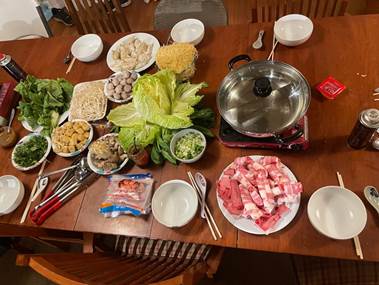
[A table full of food Description automatically generated with medium confidence] BME MONDAY ROUNDTABLE January 31, 2022 HEAD MESSAGE Dear Weldon School, Happy Lunar New Year everyone. I wish you an auspicious, happy, and prosperous year of the tiger. (新年快乐!祝你们虎年吉祥。恭喜发财!). Please see the invitation from BMEGSA for a New Year event on Tuesday, Feb. 1. Two Faculty candidates this week! Please continue to participate in the faculty candidate seminars! We will have several candidates over the next 3-4 weeks. Area chairs- please remind your area to review the website and take notes for updates that are needed. Please join us in welcoming Teresa Klemme – BME Business Assistant – Teresa will work directly with BME faculty to manage their research portfolios and assists in coordinating with central offices in relation to faculty and their labs. She will be available to serve as a resource for the following matters: - Faculty research portfolios (other than those managed by the College) o Providing account dashboards quarterly o SPS account projections o Questions regarding accounts and their encompassing grants o Coordinating with SPS as necessary - Semester Verification Templates (SVTs) – by semester - Personnel Activity Reports (PARS) – by semester, retroactive - Coordinating new student hires with the Employment Center - Ariba order review and approval - Questions as they pertain to the Employment Center, hiring, and onboarding - Questions as they pertain to the Procurement Center, purchasing approvals, etc. She will work remotely, but is available via virtual meeting. PROTECT PURDUE * Masks are still required! https://protect.purdue.edu/required-covid-19-protocols/ * Vaccines are strongly encouraged (though not required) https://protect.purdue.edu/vaccine-information/ * Updated guidance came out on Jan 7- for research SOPs, etc. and Protect Purdue. Please make sure you are staying current with Purdue guidelines. UPCOMING IMPORTANT DATES Week of Jan. 31 Mon., Jan. 31 – Prospective BME Faculty Seminar: Jesse Jokerst, “Basic Research and Translational Efforts for (Photo)acoustic Ultrasound in Medicine,” 9:30 a.m., MJIS 2001 and via Zoom: https://purdue-edu.zoom.us/j/99457970566?pwd=ZHZRMTdCSG5IT1ZWQ053aEowWlFhdz0... Mon., Jan. 31 – Deadline to send internal nominations for College of Engineering Faculty Awards of Excellence. Submit by email to Chi Hwan Lee cc-ing Kinam Park and Jo Gelfand no later than 01/31. If we receive multiple nominations for each award, the BME Awards Committee will go through a review process to figure out the best fit. Tues., Feb. 1 - Microsoft Multi-Factor Authentication, a two-step verification system designed to protect email on @purdue.edu accounts, will be required of all West Lafayette faculty and staff as of Feb. 1. Microsoft MFA protects users by requiring a second form of authentication — along with career account password — when signing into Office 365 applications, including Outlook email. There are three options for how to authenticate. Those not signed up will receive an email Feb. 1 and have two weeks before losing access to their email account. Additional info at: https://itap.purdue.edu/newsroom/articles/211110-mfa-update.html Tues., Feb. 1 – Deadline to apply for the Jane Coffin Childs Memorial Fund for Medical Research postdoctoral fellowship opportunity. The Fund takes a broad approach to the study of cell growth and development, emphasizing the study of the basic biology and chemistry of the underlying processes. The majority of past recipients come from departments of biology, chemistry, genetics, physiology, bioengineering, etc. Details below. Tues., Feb. 1 – First of five workshops in “Raising A Resilient Scientist” Workshop Series. Five units, covering communication, resilience, inclusivity, conflict and feedback, and trainee wellbeing, will help PIs and staff support your biomedical trainees. Each unit will explore ways to manage common challenges in research groups by means of a webinar (to watch in real-time or via a recording) and facilitated small groups designed to build a community to improve training across the US. You are encouraged to attend the entire series, but each unit may be attended as a stand-alone. No charge, but advance registration required. Details below. Tues., Feb. 1 – Come celebrate a Happy Lunar New Year with BMEGSA from 6-8 pm in MJIS 1001. There will be food and activities! Wed., Feb. 2 – Prospective BME Faculty Seminar: Connie Wu, “Tackling disease-associated biomolecules: From RNA therapeutics to single-molecule detection,” 9:30 a.m., MJIS 1001 and via Zoom: https://purdue-edu.zoom.us/j/95150439811?pwd=a3hOK0o0bmpkS3poTVBCbVhDNU9FZz0... Wed., Feb. 2 – BME Bytes Seminar, 2:00 pm, Location TBD. Presenter: Jen Anderson. Open to all undergraduate and graduate researchers. Lunch will be provided. Thurs., Feb. 3: Coffee Chat with Faculty: 11:00 am-noon, MJIS 2001. Faculty host: Matthew Ward. Potential discussion topics: navigating uncertainty, value of thought experiments, finding pleasure in scientific discovery Upcoming important deadlines and info. Wed., Feb. 9 – BME Bytes Seminar, 1:30 pm, Location MJIS 1083. Presenter: Sarah Libring. Open to all undergraduate and graduate researchers. Lunch will be provided. Wed., Feb. 9 – Seminar for Neurotrauma and Disease, 4:00-5:00 p.m. via Zoom: https://bit.ly/3tDZOfm, “Nature’s Unifying Theories and How They Can Be Used for Good,” Philip LeDuc, PhD., William J. Brown Professor of Mechanical Engineering, Carnegie Mellon University Thurs., Feb. 10 – IBSC/BME Preliminary Exam for Edmond Rogers (R. Shi, advisor) from 10 am-noon, MJIS 2001. Research title: “Elucidating Pathological Correlations between Traumatic Brain Injury and Alzheimer’s Disease” Fri., Feb. 11 – BME PhD Defense for John G. Damrath IV (J. Wallace, advisor) from 11 am-noon, Joseph E. Walther Hall, Room C203 (IUPUI) and via Zoom: https://iu.zoom.us/j/81801089129, Meeting ID: 818 0108 9129. Research title: “Multiscale Characterization of Skeletal Properties in Diabetes and Chronic Kidney Disease” Tues., Feb. 22 – Preclinical Innovation of Biomedical Translational Research: Indiana Clinical and Translational Science (CTSI) Virtual Retreat from 10AM - 3:30PM Eastern. Wed., Feb. 23 – BME Bytes Seminar, 1:30 pm, Location TBD. Presenter: Angel Enriquez. Open to all undergraduate and graduate researchers. Lunch will be provided. Wed., Feb. 23 – Thurs., Feb. 24: Fourth Annual Conference for Associate Professors, sponsored by Susan Bulkeley Butler Center for Leadership Excellence, Purdue University (see below) Thurs., Feb. 24 – Sat., Feb. 26: Admissions Open House visit—planning for hybrid (virtual and in-person) event Mon., Feb. 28 – Deadline to submit a poster to the Graduate School’s Office of Interdisciplinary Graduate Programs (OIGP) for their annual Spring Reception honoring interdisciplinary graduate student research. Details below. Fri., Mar. 4: Coffee Chat with Faculty: 11:00 am-noon, Location TBD. Faculty host: Nan Kong. Potential discussion topics: academic job search, initiate multi-disciplinary research, make social impact with your research Wed., March 9 – BME Bytes Seminar, 1:30 pm, Location TBD. Presenter: Antonia Susnjar. Open to all undergraduate and graduate researchers. Lunch will be provided. Thurs., Mar. 10: Coffee Chat with Faculty: 4:00 pm-5:00 pm, Location TBD. Faculty host: Elsje Pienaar. Potential discussion topics: time management, teaching and diversity statements, work/life balance; imposter syndrome Wed., March 23 – BME Bytes Seminar, 1:30 pm, Location TBD. Presenter: Luke Brennan. Open to all undergraduate and graduate researchers. Lunch will be provided. Wed., March 30 – BME Bytes Seminar, 1:30 pm, Location TBD. Presenter: Mazin Hakim. Open to all undergraduate and graduate researchers. Lunch will be provided. Wed., April 6 – BME Bytes Seminar, 1:30 pm, Location TBD. Presenter: Tommy Jenkins. Open to all undergraduate and graduate researchers. Lunch will be provided. Fri., Apr. 8: Coffee Chat with Faculty: 11:00 am -12:00 pm, Location LYLE (Room TBM). Faculty hosts: Mike Heinz and Hari Bharadwaj. Potential discussion topics: writing grants (fellowships), talking to a lay audience, open science, academic job interviews/negotiating Wed., April 20 – BME Bytes Seminar, 1:30 pm, Location TBD. Presenter: Apekshya Chhetri. Open to all undergraduate and graduate researchers. Lunch will be provided. Thurs., May 5: Coffee Chat with Faculty: 11:00 am -12:00 pm, Location LYLE (Room TBM). Faculty host: Alexandria Volkening. Potential discussion topics: website development, public science and outreach, social media, academic job materials (with an interdisciplinary perspective) Upcoming prospective faculty seminars. Mon., Jan. 31 – Jesse Jokerst, “Basic Research and Translational Efforts for (Photo)acoustic Ultrasound in Medicine,” 9:30 a.m., MJIS 2001 and via Zoom: https://purdue-edu.zoom.us/j/99457970566?pwd=ZHZRMTdCSG5IT1ZWQ053aEowWlFhdz0... Wed., Feb. 2 – Connie Wu, “Tackling disease-associated biomolecules: From RNA therapeutics to single-molecule detection,” 9:30 a.m., MJIS 1001 and via Zoom: https://purdue-edu.zoom.us/j/95150439811?pwd=a3hOK0o0bmpkS3poTVBCbVhDNU9FZz0... Mon., Feb. 7 – Nancy Xu, 9:30 a.m., MJIS 1083 and via Zoom Wed., Feb. 9 – Mehdi Javanmard, 9:30 a.m., MJIS 1001 and via Zoom: https://purdue-edu.zoom.us/j/95150439811?pwd=a3hOK0o0bmpkS3poTVBCbVhDNU9FZz0... Mon., Feb. 14 – Umut Gurkan, 9:30 a.m., MJIS 2001 and via Zoom Mon., Feb. 21 – Craig Forest, 9:30 a.m., MJIS 1083 and via Zoom SPRING 2022 BME Faculty Meetings All faculty meetings will begin at 11:30 a.m. in MJIS 2001 Fri., February 11 Fri., March 25 Fri., April 22 SPRING 2022 BME Primary Committee Meetings Fri., March 4, 11:30-1:00, MJIS 2001 Fri., April 15, 10:00-5:00, MJIS 2001 (LONG meeting!) Committee Updates Academic Programs Accommodating student disability requests: As instructors we are on the front line of creating instruction and course delivery that provide equitable and inclusive access to a Purdue education. Disability is an aspect of diversity that is integral to our society and to the Purdue campus community. It takes a lot of courage for students to ask for accommodation in the classroom. It is our responsibility to treat each request with respect. A rejection can be quite detrimental to the student, as well as being in violation of the Americans with Disabilities Act. If you need assistance accommodating disability request, the Purdue Disability Resource Center is an important campus resource that collaborates with faculty, students, and staff to create usable, equitable, inclusive, and sustainable learning environments. https://www.purdue.edu/drc/faculty/index.php As we are several weeks into the semester, you should have already received accommodation requests from your students and received an “Aggregate Report” from DRC of what curricular accommodations are expected to be requested. Most questions about accommodations can be answered informally through discussion with DRC staff: drc@purdue.edu<mailto:drc@purdue.edu>. Graduate Admissions (****TIME SENSITIVE****): * Recruiting season is upon us. Please be proactive about talking to candidates to build rapport and to increase our recruiting pool. * In lieu of extensive research area introduction, we will have a virtual “meet-the-faculty” meeting in Dec to finalize the in-person visitation list. * This is an optional event. * It will be live for invited (applied) students to meet you but could be pre-recorded (i.e., CoE Showcase event that happened before) to introduce your lab. * The premise is to increase our touchpoints with candidates. * We are looking to revive the “Science on Tap” event during our open house. * So we need a volunteer speaker! * We hear it’s a great exposure and highly recommended (by Maria!) Graduate Programs – update Life Sciences The Purdue Lecture Hall Series Dear all, I would like to send out a broad invitation to graduate students conducting life science research to present their work for “The Purdue Lecture Hall Series”. This is a program where graduate students present their experience and journey into the world of research to undergrads and high school science students who are interested in learning more about life sciences research and how they can get started. We are looking for dynamic presenters and investigators that want to engage their audience and inspire a new generation on scientists. If you or someone you know is interested in participating, please have them reach out to Robin Benson benson75@purdue.edu<mailto:benson75@purdue.edu>. Best regards, Thomas G. Sors, PhD Assistant Director Purdue Institute of Inflammation, Immunology and Infectious Disease * Individual Development Plans (IDPs). Please find attached IDP forms for BME. The graduate committee wants all of our trainees/students to use IDPs throughout their career with us. These forms are intended to be student initiated and then reviewed AND DISCUSSED with faculty mentors and ideally mentoring/thesis committees. Again, our forms are just helpful templates – any forms you find that you like are OK to use as an IDP. * Launching Coffee Chats THIS SEMESTER. To facilitate more interactions between students and faculty outside their own lab, we are launching a new initiative. 1-2 faculty members will host coffee chats each month to discuss anything that is on the students’ minds (some starter topics are suggested for each meeting, but really anything is on the table.). There is a lot of excitement about this initiative from our students, as well as from the Graduate Committee – we look forward to the first coffee chat in early February. * January is Mentoring Month!! The MOST CONSISTENT THEME that has come out of our systematic Grad-Programs review has been the need for better and more consistent mentoring throughout our student’s graduate programs. Links are provided in the DEI section to several excellent programs (including the NIH webinar series on RAISING A RESILIENT SCIENTIST<https://www.training.nih.gov/workshops_and_trainings_for_extramural_principal_investigators> that was mentioned in faculty meeting on Friday). * Systematic Grad Programs Review and Update: We continue this important work for our students. The goal is to have a broad framework for changes/updates to milestones and mentoring structure by February for implementation starting in Fall 2022. We started with strategic planning to define the desired outcomes for the design of our Training Program. We have reviewed data from current students, graduating students (exit interviews), faculty, head-search survey, DEI survey, Ology Marketing report, and committee-gathered data from other BME programs’ milestone structures. These discussions have led to many great ideas, which we are just now starting to map to our desired learning outcomes across the length of the PhD program to develop a new plan for the most effective milestones/requirements and support systems to achieve our vision for the training program. Stay tuned for updates, and solicitations for feedback. As always, please talk with any member of the Graduate Committee at any time if you have ideas/suggestions/concerns. Later this spring we will begin discussions on improvements to the graduate curriculum. Thanks for your support. Undergraduate Curriculum Committee Update In Spring 2022, the UCC will continue working on introducing BME pathways. The UCC will request each Research Area to present the corresponding Pathway to sophomore students in the next month. This will help the students to decide on their area of specialization. The presentation should clarify the knowledge and skills the students would gain as well as the future career opportunities for each BME Pathway. The UCC will also work on developing the Engineering Design courses for the re-structured undergraduate program, including the Junior and Senior Design and professional development courses. The committee will create a task force for collecting benchmark data on curriculum redesign for the future ABET accreditation. Also, the UCC will work on increasing our offering of honors courses or honors sections within courses. Awards Committee Update Nomination information for the 20th annual College of Engineering Faculty and Lecturer Excellence Awards<https://engineering.purdue.edu/Intranet/Groups/Administration/AA/Awards/Nominations#faculty> is available now. This is an important opportunity to nominate our colleagues for recognition of their work and to express our appreciation of their contributions and achievements. The awards were revamped in 2018-19 to align more closely with University level awards as well as key elements of our goal of “pinnacle of excellence at scale”. Please send internal nomination by email to Chi Hwan Lee cc-ing Kinam Park and Jo Gelfand no later than 01/31. If we receive multiple nominations for each award, the BME Awards Committee will go through a review process to figure out the best fit. DEI Committee Update February is Black History Month 2022 National Theme is Black Health and Wellness. According to the Association for the Study of African American Life and History which sets the annual focus, "This theme acknowledges the legacy of not only Black scholars and medical practitioners in Western medicine, but also other ways of knowing (e.g., birthworkers, doulas, midwives, naturopaths, herbalists, etc.) throughout the African Diaspora. The 2022 theme considers activities, rituals and initiatives that Black communities have done to be well." learn more at: https://asalh.org/black-history-themes/ Purdue's celebrations of Black excellence this month can be found at: https://lifeat.purdue.edu/black-history-month/ February 1st marks the 2022 Lunar New Year: the Year of the Tiger BMEGSA is inviting everyone to celebrate Lunar New Year on February 1st in MJIS 1001 from 6-8pm. Come get food and do Lunar New Year activities while learning about traditions! (flyer attached) Events Lunar New Year Celebration - February 1st in MJIS 1001 from 6-8pm January is Mentoring Month The Graduate Student Peer Mentoring groups are running again this semester and new first years have now been paired up with senior students. Grad students and postdocs please reach out to BMEGSA leaders Angel Enriquez (aenrique@purdue.edu<mailto:aenrique@purdue.edu>) and Claudia Benito Alston (cbenitoa@purdue.edu<mailto:cbenitoa@purdue.edu>) if you want to get involved as a mentor or a mentee. * The scheduled mentor/mentee meeting days are: 11-1pm on January 28th, February 18th, March 11th, April 8th, May 13th BMES Undergraduate Peer mentoring is also getting underway and sophomores have the opportunity to participate in a mentoring group led by 1-2 upper classmen or in individual mentoring pair with a more senior student. Mentors and mentees participate in one large group and a small-group or meeting as a pair each month. * The first large-group BMES mentoring meeting will be Jan 18th from 6:30-7:30pm in MJIS 1001 Resources for Mentoring Webinars: NIH RAISING A RESILIENT SCIENTIST<https://www.training.nih.gov/workshops_and_trainings_for_extramural_principal_investigators> series for faculty and administrators who mentor students and postdoctoral fellows Mentoring at Purdue (M@P): network and resources<https://www.asec.purdue.edu/map/index.cfm#Resources> for mentors and mentees Podcast: The Science of Effective Mentoring in STEMM<https://www.nationalacademies.org/our-work/the-science-of-effective-mentoring-in-stemm> from the National Academies National Research Mentoring Network<https://nrmnet.net/> open to all career stages Winter Warming Station Meal Sign up<file:///C:/Users/dumulis/Library/Containers/com.apple.mail/Data/Library/Mail%20Downloads/51FC69A6-C178-4415-BF4A-CAFB01D5DCC8/Winter%20Warming%20Station> Lafayette Urban Ministry (LUM) – Meals are needed each day Nov 15 through Apr 15. Business Services Updates Going forward, Purdue Travel has been restructured in order to assist with the Concur expense report process for employees who travel. Please see the below update on the new process and contact information for questions: Purdue Travel will provide all employees with a central, convenient way to submit travel receipts and business mileage, and then compile the travel expense report on the traveler’s behalf. With this change, there is now a team dedicated to the creation of expense reports. Based on a completed pilot program, the centralization of travel expense reports is expected to significantly reduce the time to create an expense report and reimburse the traveler to just four to seven days. By transitioning this work to dedicated Purdue Travel staff, employees will have more time to focus on their core responsibilities. All employees or their delegates will need to submit expenses for reimbursement using one of the following methods upon returning from business travel: * Add business expense receipts to the receipt store in the Concur mobile app. If travel was booked through Concur or Anthony Travel, Purdue Travel will reach out to the traveler/delegate to initiate the expense report process. * Attach business expense receipts in an email to purduetravel@purdue.edu<mailto:purduetravel@purdue.edu>. Travelers or their delegates must initiate this process on their own by emailing the receipts. A list of required information and documentation<https://www.purdue.edu/procurement/travel/expenses/index.php> is available on the Travel website under the “Expense Reimbursement” header. For business mileage reimbursement to Purdue employees, either of the above processes may be used. The traveler will need to provide a copy of their mileage log or screenshots showing the distance of business mileage traveled (e.g., using Google Maps). The traveler also must provide the reason for travel in the comment box in Concur or in the email to purduetravel@purdue.edu<mailto:purduetravel@purdue.edu>. The Purdue Travel website has been updated to reflect the changes to travel expense reports<https://www.purdue.edu/procurement/travel/expenses/index.php>. Additional information and resources will be added as they become available. Questions may be directed to Purdue Travel at 765-494-7354 or purduetravel@purdue.edu<mailto:purduetravel@purdue.edu>. Resources, attachments, further information BME Prospective Faculty Seminar - Monday, January 31, 2022, 9:30-10:20am, MJIS 2001 or Via Zoom: https://purdue-edu.zoom.us/j/99457970566?pwd=ZHZRMTdCSG5IT1ZWQ053aEowWlFhdz0... “Basic Research and Translational Efforts for (Photo)acoustic Ultrasound in Medicine,” Jesse Jokerst, PhD, Professor of NanoEngineering, University of California – San Diego Abstract: This lecture will describe my lab’s work to improve medicine with engineering along three axes. Acoustic and photoacoustic imaging are consistent themes. On the first axis, we engineer materials to have interesting optical properties. These materials—often nanoscale—can then report disease signatures through colorimetric or photoacoustic mechanisms. Second, I will discuss our work on new hardware and software tools to better acquire and process the data generated during imaging. The third axis is clinical translation: The presentation will include multiple examples of how this work has been validated in human patients including for wound care, oral health, COVID-19, and therapeutic drug monitoring of heparin anticoagulation therapy. Bio: Jesse V. Jokerst is a Professor in the Department of NanoEngineering at UC San Diego. Dr. Jokerst graduated cum laude from Truman State University in 2003 with a B.S. in Chemistry and completed a Ph.D. in Chemistry at The University of Texas at Austin in 2009. Jesse was a postdoc at Stanford Radiology from 2009-2013 and was an Instructor in that same department from 2013-2015. Jesse started at UCSD in July of 2015, and he has received the NIH K99/R00 Pathway to Independence Award, the NIH New Innovator Award, the NSF CAREER Award, and Stanford Radiology Alumni of the Year Award. He is the PI of multiple federal grants and serves on the Editorial Advisory Board of ACS Applied Nano Materials and Nanoscale. ~BME Host: Hugh Lee~ BME Prospective Faculty Seminar – Wednesday, February 2, 2022, 9:30-10:20am, MJIS 1001 or Via Zoom: https://purdue-edu.zoom.us/j/95150439811?pwd=a3hOK0o0bmpkS3poTVBCbVhDNU9FZz0... “Tackling Disease-associated Biomolecules: From RNA Therapeutics to Single-molecule Detection,” Connie Wu, Ph.D., NIH F32 Ruth L. Kirschstein Postdoctoral Research Fellow, Department of Pathology, Harvard Medical School and Brigham and Women’s Hospital Abstract: The functionality versatility of polymeric and nucleic acid materials provides diverse engineering opportunities for the detection and therapeutic targeting of disease-associated biomolecules. My work has encompassed nanoscale and microscale technologies to address challenges in cancer therapeutics and diagnostics, from targeting the expression of dysregulated genes to probing rare protein biomarkers. I will first describe the design of a highly potent small interfering RNA nanoparticle delivery system that leverages approaches in nucleic acid engineering and polymer chemistry. Towards overcoming analytical barriers in clinical diagnostics, I will then describe the development of ultrasensitive single-molecule detection technologies to measure low abundance proteins. By utilizing powerful molecular amplification methods and simple signal readouts, these digital enzyme-linked immunosorbent assay (ELISA) platforms enable the detection of low attomolar (10-18 M) protein concentrations, with over four orders-of-magnitude improvements in sensitivity over conventional protein detection methods. Importantly, these methods democratize ultrasensitive protein detection, enabling high-throughput, high-multiplex digital measurements to be carried out with common laboratory instrumentation. Finally, I will highlight the application of digital ELISA technology towards the development of an ultrasensitive blood test for a retrotransposon-encoded protein as a highly specific multi-cancer biomarker. Overall, the development of these technologies can pave the way towards the future integration of materials and biomolecular engineering approaches with ultrasensitive bioanalytical tools for accelerating biomarker signature discovery and precision medicine. Bio: Connie is an NIH F32 Ruth L. Kirschstein postdoctoral research fellow in Dr. David Walt's lab at Brigham and Women's Hospital and the Wyss Institute for Biologically Inspired Engineering at Harvard University. She obtained her B.S. in chemical engineering from Yale University, where she worked with Dr. Paul Van Tassel in designing porous layer-by-layer polymer films for tissue engineering applications and received a Barry M. Goldwater Scholarship. Connie pursued her Ph.D. in chemical engineering at MIT, working in Dr. Paula Hammond's lab on polymer-based RNA interference delivery systems for cancer therapeutics. She was the recipient of multiple fellowships during her Ph.D. training, including an NSF Graduate Research Fellowship, Ludwig Center for Molecular Oncology Graduate Fellowship, and MIT Presidential Fellowship. In her current postdoctoral work, Connie has developed ultrasensitive single-molecule detection platforms for biomarker discovery and diagnostic applications. ~BME Faculty Host: Dr. Vitaliy Rayz ~ Nomination information for the 20th annual College of Engineering Faculty and Lecturer Excellence Awards<https://engineering.purdue.edu/Intranet/Groups/Administration/AA/Awards/Nominations#faculty> is available now. This is an important opportunity to nominate our colleagues for recognition of their work and to express our appreciation of their contributions and achievements. The awards were revamped in 2018-19 to align more closely with University level awards as well as key elements of our goal of “pinnacle of excellence at scale”. The CoE Faculty and Lecturer Awards of Excellence are: Education * CoE Faculty Excellence Award for Early Career Teaching (assistant professors, including assistant professors of engineering practice). Recognized with plaque and $4,000. (selection process communicated through the academic units) * CoE Excellence in Instruction Award for Lecturers (lecturers and senior lecturers). Recognized with plaque and $4,000. (selection process communicated through the academic units) * The Dean A. A. Potter Faculty Excellence Award for Undergraduate Teaching (associate and full professors, including professors of engineering practice). Recognized with plaque and $7,500. (selection process communicated through the academic units) * CoE Faculty Excellence Award for Graduate Student Mentorship for excellence in the mentoring of graduate students. Recognized with plaque and $2,500. * CoE Faculty Excellence Award for Online Education for excellence in course development and pedagogy of an online education course. Recognized with plaque and $2,500. Research * CoE Faculty Excellence Award for Impact on Industry for excellence in research that has had a significant translational impact in industry in the past five years. Recognized with plaque and $2,500. * CoE Faculty Excellence Award for Early Career Research Excellence (assistant professors and associate professors who have been in that rank for no more than three years). Recognized with plaque and $2,500. * CoE Faculty Excellence Award for Research for an exceptional recent research contribution that has had significant impact on the discipline and/or society. Recognized with plaque and $2,500. Service and Engagement * CoE Faculty Excellence Award for Engagement for excellence in engagement with external stakeholders. Recognized with plaque and $2,500. * CoE Dean H. T. Yang Faculty Excellence Award for Leadership in Service for excellence in faculty leadership through service that has a significant positive impact within Purdue Engineering. Recognized with plaque and $2,500. Please review the nomination award categories and criteria<https://engineering.purdue.edu/Intranet/Groups/Administration/AA/Awards/Nominations#faculty>. The Jane Coffin Childs Memorial Fund for Medical Research has a postdoctoral fellowship opportunity. The Fund takes a broad approach to the study of cell growth and development, emphasizing the study of the basic biology and chemistry of the underlying processes. The majority of past recipients come from departments of biology, chemistry, genetics, physiology, bioengineering, etc. Summary: • Deadline: February 1, 2022 • Amount: $177,000 total/3 years • Summary: The Fund supports research into the causes and treatment of cancer. Projects that support basic research, including basic biology and chemistry, are emphasized. • Website: https://www.jccfund.org/about-fund/<https://nam11.safelinks.protection.outlook.com/?url=https%3A%2F%2Fwww.jccfund.org%2Fabout-fund%2F&data=04%7C01%7C%7C08c8d9d212a2414dd1da08d9bf373452%7Ce25b40edf9c844b99420fe1c86641854%7C0%7C0%7C637751066080467861%7CUnknown%7CTWFpbGZsb3d8eyJWIjoiMC4wLjAwMDAiLCJQIjoiV2luMzIiLCJBTiI6Ik1haWwiLCJXVCI6Mn0%3D%7C3000&sdata=HGGu5q8aM6o0WBO2WvwBweHBX5BOZtnTpspYHzOW8fw%3D&reserved=0> • Notes: o 25-30 fellowships are awarded each year; the Fund receives approx. 350 applications each year o Postdoctoral applicants should have no more than 18 months of postdoctoral research experience at the time of the deadline for submitting applications (February 1) o PhD. degree must not have been conferred more than 24 months prior to the deadline date (February 1) Seminar for Neurotrauma and Diseases Join the Center for Paralysis Research as we host the Spring 2022 installment of the Seminar for Neurotrauma and Diseases, sponsored by Plexon Neurotechnology Systems! There will be six seminars this semester, on February 9, February 23, March 9, March 23, April 6, and April 20, all from 4:00 PM-5:00 PM EST on Zoom. This neurotrauma-focused seminar will host speakers from Purdue, Harvard, and Carnegie Mellon universities. Distinguished experts in their respective fields will present on a variety of neurobiology- and SCI/TBI-related topics, sharing their unique focuses and cutting-edge research. Individual announcements, including abstracts and other presentation information, will be coming shortly, so keep an eye out for those! View the seminar live at https://bit.ly/3tDZOfm. Some seminars will be recorded, so if you can’t make the live event, make sure to check out our website<https://vet.purdue.edu/cpr/Seminar%20for%20Neurotrauma.php> for the latest updates. Contact us with any questions at cpr@purdue.edu<mailto:cpr@purdue.edu>! Raising A Resilient Scientist Workshop Series (Message from Sharon Milgram, Director, NIH Office of Intramural Training & Education): Over the last year I have interacted with many trainees across the U.S. as part of the NIH Becoming a Resilient Scientist series<https://www.training.nih.gov/nih_becoming_a_resilient_scientist_series>. After carefully considering input from students, postdocs, faculty and program administrators who participated in the program, I have decided to offer a series, RAISING A RESILIENT SCIENTIST<https://www.training.nih.gov/workshops_and_trainings_for_extramural_principal_investigators>, for faculty and administrators who mentor students and postdoctoral fellows in the biomedical, behavioral, and social sciences. The goal of the Raising a Resilient Scientist series is to promote the mental health and well-being of the academic research community by supporting faculty and administrators to develop self-management, relationship-management, and mentoring skills. A variety of topics will be covered with a specific focus on communication and shared problem-solving to help trainees deal with the inevitable setbacks experienced in high knowledge environments. There will be five units in the series; each unit will consist of a 75-minute lecture, which can be watched in real-time or asynchronously, followed by a 1-hour facilitated discussion with peers. There will be two opportunities for participation in the small groups following each webinar. There is no charge for participation, but advanced registration is required. For more information, and to register, please visit our webpage<https://www.training.nih.gov/workshops_and_trainings_for_extramural_principal_investigators>. I do not anticipate offering this series again in the future; participation in the entire series is recommended but is not required. Please do not hesitate to email me if you have any questions. IBSC BME Preliminary Exam Announcement for Edmond Rogers (R. Shi, advisor) Research Title: Elucidating Pathological Correlations between Traumatic Brain Injury and Alzheimer’s Disease Committee Members: Major professor: Riyi Shi Members: Joseph Rispoli, Fang Huang, GuangJun Zhang Date/Time: Thursday February 10th from 10am-12pm Location: MJIS 2001 Abstract: One of the greatest consequences of Traumatic Brain Injuries (TBI) are the resulting long-term effects, especially in milder cases where the damage is initially subclinical and thus lacking acutely observable manifestations that can compound significantly over time. Among these chronic issues, Alzheimer’s Disease (AD) is one of the most serious. While a link between TBI and AD has been established, it has not yet been mechanistically elucidated. Multiple hypotheses have been postulated based on various animal/clinical models, which have contributed a great deal to our knowledge base and implicated several key pathways. While extremely valuable, these in vivo procedures and analyses are physiologically and ethically complex: there is currently no model capable of visualizing TBI-induced sub-cellular damage in the seconds immediately following injury, and the subsequent associated long-term changes. It is clear that additional investigative tools are needed, and while in vitro methodologies generally offer the type of resolution required, no such model replicates this phenomenon. Therefore, we introduce the “TBI-on-a-chip” concussive model prototype, with a series of concomitant targeted-experiments to address this currently unmet need. We hypothesize that both the primary, mechanical injury and long-term associated damages (secondary injury) can be successfully recapitulated in vitro, and utilized for mechanistic studies into trauma induced neurodegeneration. Further, we hypothesize that aggregation (β-amyloid) can be initiated by force–solo and demonstrated in our proposed system, further linking TBI with AD. Our ultimate goal is to facilitate translational discoveries by exploring the mechanisms underpinning TBI, acute and chronic, and the link to neurodegeneration. BME PhD Defense Announcement for John G. Damrath IV (J. Wallace, advisor) Title of thesis research: Multiscale Characterization of Skeletal Properties in Diabetes and Chronic Kidney Disease Date/time/place: February 11th, 2022, 11AM-12PM, Joseph E. Walther Hall (R3), room C203 (IUPUI) and via Zoom* * JD Damrath is inviting you to a scheduled Zoom@IU meeting. Topic: JD Damrath Dissertation Defense Time: Feb 11, 2022 11:00 AM Eastern Time (US and Canada) Join from computer or mobile: https://iu.zoom.us/j/81801089129 Meeting ID: 818 0108 9129 Committee members: Joseph M. Wallace, PhD - Major professor Sharon M. Moe, MD Matthew R. Allen, PhD Sherry Voytik-Harbin, PhD Sungsoo Na, PhD Abstract: Chronic kidney disease (CKD) affects 15% of Americans and dramatically increases their risk of skeletal fractures and fracture-related mortality. The progression of CKD is marked by abnormal biochemistries including disrupted mineral homeostasis and elevated parathyroid hormone (PTH). High PTH is linked to the bone alterations seen in CKD including cortical porosity and altered turnover. To mitigate the effects of sustained elevations in PTH, dialysis patients are commonly given calcimimetics which act by sensitizing the calcium-sensing receptor on parathyroid chief cells, lowering PTH synthesis and secretion. While calcimimetics are suggested to reduce fracture risk in dialysis patients, little is known about how these drugs impact bone tissue properties or whether they can be implemented in early CKD to prevent CKD-induced bone deterioration. Therefore, understanding how calcimimetics alter bone quality may reveal new strategies to prevent fractures in patients with CKD. While CKD represents a major global health crisis, nearly half of all CKD patients also have diabetes. Diabetes disrupts numerous physiologic systems and independently increases fracture risk by lowering bone mass and quality. Therefore, we have two major objectives in this work. Firstly, we developed a method for analyzing bone composition and material properties in a spatially resolved manner and found that calcimimetics increase mineral crystallinity and stiffness in newly formed periosteal bone while increasing relative mineralization, stiffness, and hardness in perilacunar bone. Further, we found that these properties depended on distance from the osteocyte lacunar wall. Secondly, we developed a novel combined murine model of type 1 diabetes and CKD which revealed a unique combination of detriments in structural and tissue-level bone microarchitecture, mechanical properties, and fracture toughness. Taken together, this work represents a thorough investigation of how diabetes and CKD alter bone quality on multiple scales and how calcimimetics improve bone quality in localized regions in early CKD. Preclinical Innovation of Biomedical Translational Research: Indiana Clinical and Translational Science (CTSI) Virtual Retreat Please join us for the Indiana Clinical and Translational Science (CTSI) Virtual Retreat hosted by Purdue University on Tuesday, February 22, 2022 from 10AM - 3:30PM Eastern. REGISTER HERE<https://purdue.ca1.qualtrics.com/jfe/form/SV_9ssqC4oEet1aIIu> A keynote address will be given by Dr. Christopher Austin, CEO Partner of Flagship Pioneering and previous founding Director of the National Center for Advancing Translational Sciences (NCATS). The agenda includes: * Introduction from Indiana CTSI * Keynote speaker: Dr. Christopher Austin * Virtual Poster Session * Discussion Panels, including: * Novel technologies and capabilities at the CTSI institutions * Imaging techniques supporting many preclinical studies * Innovative preclinical animal models * Best practices for industry-academia collaboration in preclinical studies Partners of Indiana CTSI<https://indianactsi.org/> are Purdue University, Indiana University and the University of Notre Dame. Fourth Annual Conference for Associate Professors set for Feb. 23-24 The Susan Bulkeley Butler Center for Leadership Excellence in collaboration with the Office of the Provost will hold the Fourth Annual Conference for Associate Professors on Feb. 23-24 in Purdue Memorial Union. The conference is titled "Charting Your Path to Promotion." The conference will include a keynote address and two panel sessions. Over the course of the conference, attendees will have opportunities to network, share information and learn from others in ways that will enable associate professors, particularly women associate, to accelerate their progression to full professor. The panel sessions comprise speakers from within and outside Purdue. Although this conference targets associate professors, the strategies and insights offered by the keynote speaker and the panelists will be useful for all faculty members. Conference details include: o Keynote address: Elizabeth Field Hendry, provost and senior vice president for academic affairs, Queens College, CUNY. o Panel session 1: "Managing Time: Service, Teaching, Mentoring, and Research." o Panel session 2: “Promotion to Full Professor.” The conference is free for Purdue faculty, who must email butlercenter@purdue.edu<mailto:butlercenter@purdue.edu> for the code before registering. Faculty from outside Purdue will pay a registration fee. Registration will open in about two weeks. More information, including the conference schedule, keynote and panel sessions, is available on the conference webpage<https://www.purdue.edu/butler/conferences-for-faculty/conference-associate-profs/2022/index.php>. Please plan on joining The Graduate School’s Office of Interdisciplinary Graduate Programs (OIGP)<https://www.purdue.edu/gradschool/oigp/index.html> for our annual Spring Reception<https://www.purdue.edu/gradschool/oigp/events/spring-reception/index.html> in celebration of interdisciplinary graduate student research on Wednesday, May 4, 2022 from 10:00 AM to 12:00 PM in the Purdue Memorial Union North and South Ballrooms. Please consider submitting a presentation and applying for the Most Outstanding Interdisciplinary Project Award (MOIPA—winner receives $1000). Poster and Award Submission Deadline: Monday, February 28, 2022. Details can be found at the links below: Poster Submission Application and Details<https://www.purdue.edu/gradschool/oigp/events/spring-reception/submission.html> Award Application and Details<https://www.purdue.edu/gradschool/oigp/events/spring-reception/award-application.html> Attachments OIGP Spring Reception Flyer 2022 2021 Weldon School Town Hall Report *Seminar for Neurotrauma and Diseases *2022 CTSI Winter Retreat Flyer -- Bmeroundtable-list mailing list Bmeroundtable-list@ecn.purdue.edu https://engineering.purdue.edu/ECN/mailman/listinfo/bmeroundtable-list
participants (1)
-
 Gelfand, Johanna K